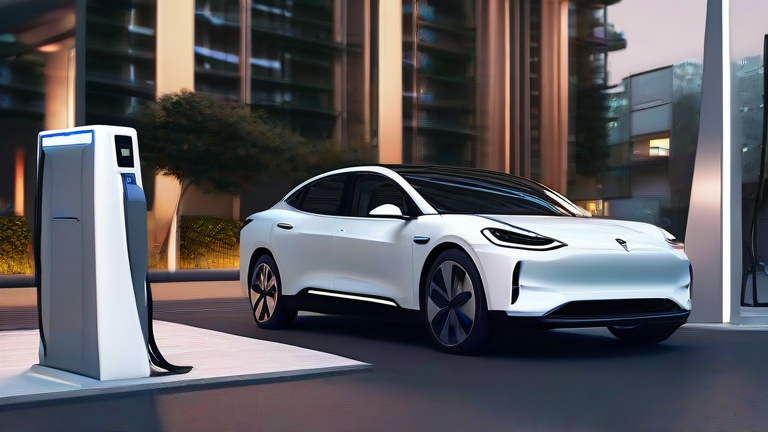
Solid-State Tech Expands EV Charging Infrastructure
The electric vehicle (EV) revolution has reached a critical inflection point, where consumer anxiety regarding range and charging time threatens to stall widespread adoption. While lithium-ion batteries have served as the backbone of this transition, their limitations in energy density and thermal management are becoming increasingly apparent. Enter solid-state batteries, a transformative technology poised to redefine the EV landscape. By replacing the flammable liquid electrolyte with a solid material, these batteries offer superior safety, faster charging capabilities, and significantly higher energy density. This technological leap is not merely an incremental improvement but a fundamental shift that promises to alleviate range anxiety and accelerate the global transition to sustainable transportation.
Market analysis indicates a robust trajectory for this innovation. According to recent reports from Grand View Research, the global solid-state battery market size was valued at approximately USD 2.3 billion in 2023 and is expected to grow at a compound annual growth rate (CAGR) of over 30% from 2024 to 2030. Major automotive manufacturers, including Toyota, Volkswagen, and Nissan, have committed billions of dollars to research and development, aiming to bring commercial solid-state models to market by the late 2020s. This influx of capital signals strong industry confidence, suggesting that the era of conventional lithium-ion dominance may soon yield to a new generation of power sources.
If you want to dig deeper, check out our guide on EU AI Act Enforcement: Global Compliance Shifts Explained.
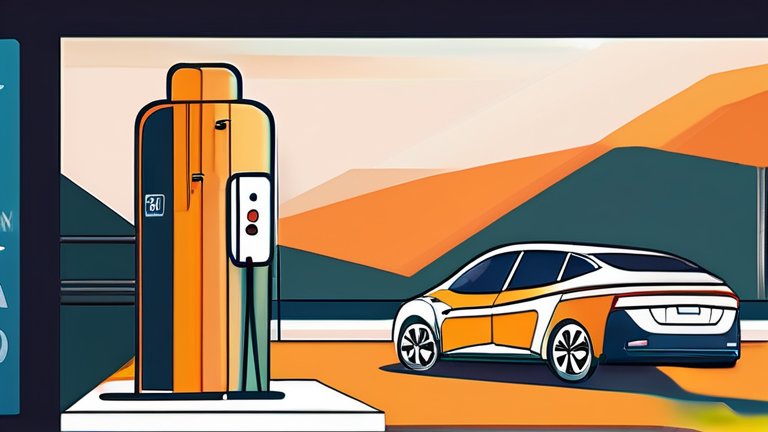
Expert insights highlight the profound implications for charging infrastructure. Dr. Elena Rossi, a senior materials scientist at the Institute of Energy Storage, notes, “Solid-state batteries can charge from 10% to 80% in under 15 minutes, a feat currently impossible with standard lithium-ion cells. This capability allows for a significant reduction in the number of charging stations required, as each station can serve more vehicles in less time. Furthermore, the enhanced thermal stability reduces the need for complex cooling systems, lowering the overall cost and footprint of charging infrastructure.”
Looking ahead,
Leave a Reply