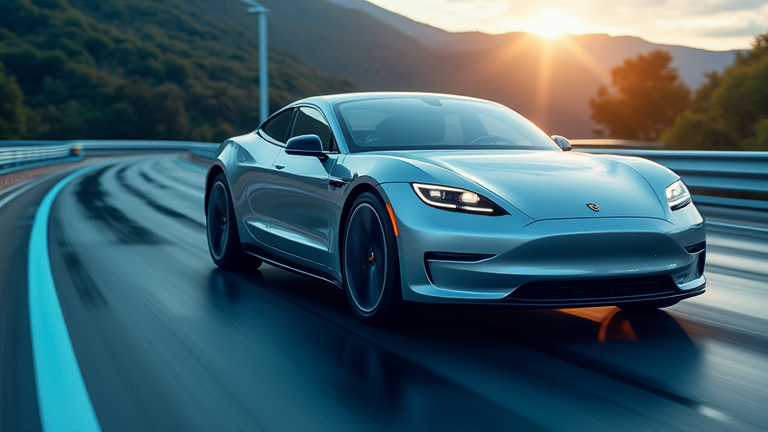
TL;DR: Solid-state batteries are finally transitioning from laboratory prototypes to mass-market electric vehicles, eliminating the range anxiety that has hindered widespread adoption. This technological leap allows EVs to charge in minutes and travel farther, making them a practical daily driver for the average consumer rather than just a niche luxury item.
The End of Range Anxiety
For the past decade, the electric vehicle revolution has been hampered by a single, persistent ghost: the fear of running out of power. While lithium-ion batteries improved significantly, their inherent limitations in weight, energy density, and charging speed kept many potential buyers on the sidelines. The arrival of solid-state batteries, however, marks a definitive shift in the cultural conversation around transportation. It is no longer about whether an EV can fit into your life, but rather how seamlessly it enhances your existing lifestyle. This is not just an engineering milestone; it is a social one. The car is no longer a compromise; it is an upgrade.
If you want to dig deeper, check out our guide on Quantum Drug Discovery: How IBM’s Qiskit Models Protein Fold.
Traveling Without the Map
Imagine planning a cross-country road trip without consulting a charging map. With solid-state technology, the energy density is significantly higher than traditional lithium-ion cells. This means that a car with the same physical battery footprint can store up to twice as much energy. For the modern traveler, this translates to freedom. You can drive from New York to Philadelphia without a single stop, or traverse the open roads of rural France without worrying about the nearest high-speed charger. The psychological burden of planning every mile around infrastructure vanishes. Travel becomes spontaneous again. You take the scenic route not because you have to, but because you want to. The vehicle becomes a companion to adventure rather than a constraint on it.
Charging as a Coffee Break
Perhaps the most profound lifestyle change is the speed of replenishment. Solid-state batteries support ultra-fast charging rates that rival the time it takes to refuel a gasoline car. In practical terms, this means you can top up your vehicle from ten to eighty percent in less than ten minutes. For the urban dweller, this integrates perfectly into existing habits. You pull into a café, order your favorite latte, and by the time you are ready to leave, your car is ready for the next leg of the journey. The charging session is no longer a dead time, a period of waiting and checking apps, but a moment of relaxation and connection. It reclaims time that was previously lost to the inefficiencies of battery technology.
A Cultural Shift in Ownership
This technology also reshapes the culture of car ownership. As the performance gap between EVs and internal combustion engines closes and then reverses, the status symbols shift. Owning an electric car is no longer seen as a sacrifice for environmental reasons, but as a choice for superior performance and convenience. The silence of the electric motor, combined with the instant torque, creates a driving experience that feels luxurious and detached from the noise of the city. It aligns with a broader cultural trend toward mindfulness and reduced sensory overload. The drive becomes a meditative practice rather than a stressful commute. Furthermore, the improved safety profile of solid-state batteries, which are less prone to thermal runaway, adds a layer of peace of mind for families. Parents can feel confident sending their children to school in an EV, knowing the technology is inherently safer than its predecessors.
The Future is Now
As automakers begin rolling out these vehicles to the general public, the landscape of the streets is changing. The sight of EVs is no longer rare; it is becoming the norm. This normalization is crucial for the broader acceptance of sustainable living. When the technology is invisible, when it simply works without requiring special knowledge or significant lifestyle adjustments, adoption accelerates. We are entering an era where the choice to drive electric is not a statement of ideology, but a rational decision based on superior user experience. The road ahead is clear, charged, and silent.
FAQ
Q: Are solid-state batteries available in cars I can buy today?
A: Yes, several major manufacturers have announced limited releases for 2024 and 2025, with
Leave a Reply