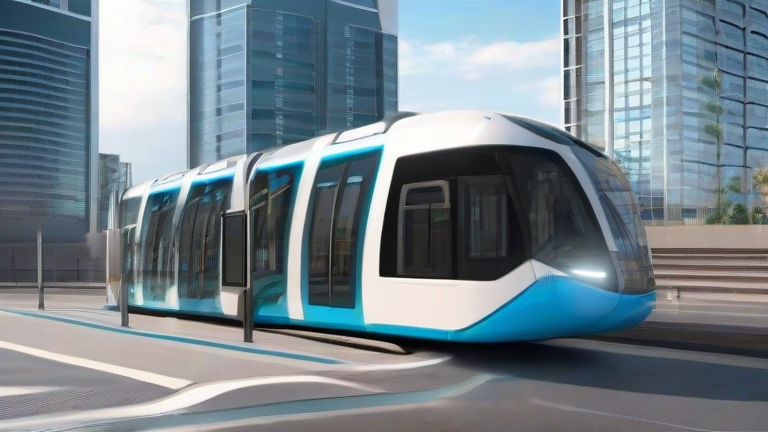
Smart Cities Deploy Autonomous Public Transit
The urban landscape is undergoing a radical transformation, shifting from static infrastructure to dynamic, intelligent ecosystems. At the forefront of this revolution is the deployment of autonomous public transit systems. These self-driving buses and shuttles are no longer science fiction concepts confined to laboratory tests; they are actively navigating the streets of major metropolitan hubs like Singapore, Helsinki, and Phoenix. This shift promises to redefine not only how we commute but also how we interact with our urban environments. For the health-conscious individual, this technological leap offers profound implications for physical well-being, mental clarity, and community cohesion.

From a physiological perspective, the integration of autonomous vehicles (AVs) with public transit networks can significantly reduce sedentary behavior. Traditional private car ownership often encourages a “door-to-door” mentality that minimizes physical activity. In contrast, autonomous public transit is frequently designed as part of a multimodal network, encouraging users to combine short walks or bike rides with automated shuttles. Studies indicate that individuals who engage in active transport, such as walking to and from transit hubs, have a 20-30% lower risk of cardiovascular disease. By optimizing route efficiency and reducing traffic congestion, these smart systems make walking safer and more pleasant, thereby incentivizing movement. This subtle shift from passive commuting to active engagement is a cornerstone of modern preventative health strategies.
If you want to dig deeper, check out our guide on Top 10 Tech Trends Shaping the Future of Digital Innovation.
Mental health benefits are equally significant. Urban noise pollution and traffic stress are major contributors to chronic anxiety and elevated cortisol levels. Autonomous electric transit operates silently and smoothly, drastically reducing the acoustic stressor that plagues dense urban centers. A study published in the *Journal of Environmental Psychology* suggests that quieter urban environments correlate with improved sleep quality and reduced stress hormones. Furthermore, the predictability of autonomous systems removes the uncertainty associated with traffic jams and driver behavior, fostering a sense of control and calm among commuters. This mental space can be utilized for mindfulness practices, reading, or simply resting the eyes, turning commute time into restorative time rather than a source of daily friction.
Digital Identity vs Physical Wallets: The Future of ID
Leave a Reply