This is a durable, flexible storage solution for beauty blenders. It suits travelers and those prioritizing hygiene, as silicone resists mold better than porous fabric. It offers superior protection for sponge shape compared to rigid plastic boxes, though it costs more upfront due to material quality.
What to look for
Material Integrity
Check for food-grade or medical-grade silicone labels to ensure non-toxicity. Inspect the surface for texture; smooth finishes clean easier but may slip, while textured grips hold the sponge better under pressure.
Ventilation Design
Look for perforated lids or mesh inserts that allow airflow. Without ventilation, trapped moisture creates a humid environment that encourages bacterial growth, negating the hygiene benefits of the silicone material itself.
Structural Fit
Ensure the internal diameter accommodates your specific sponge size without excessive compression. Over-tight fits deform the sponge, while loose fits allow the sponge to shift and collect debris in the container base.
Lid Mechanism
Evaluate the closure type, such as a snap-on rim or zip lock. Snap lids offer quick access but may crack over time, whereas zippers provide tighter seals against water splashes but can be slower to operate with wet hands.
How to use it
Post-Use Drying
Place the damp sponge inside the case immediately after rinsing. Position the case upright with the lid slightly ajar for twenty minutes to allow excess water to evaporate before sealing it for storage.
Travel Packing
Insert the sealed case into your toiletry bag to isolate the sponge from makeup brushes and powders. The flexible silicone walls compress slightly in tight spaces, maximizing the use of small compartments in carry-on luggage.
Vanity Storage
Keep the case on a flat shelf away from direct sunlight. Avoid placing it near radiators or heat sources, as sustained high temperatures can degrade the silicone’s elasticity and cause warping over time.
Product photos
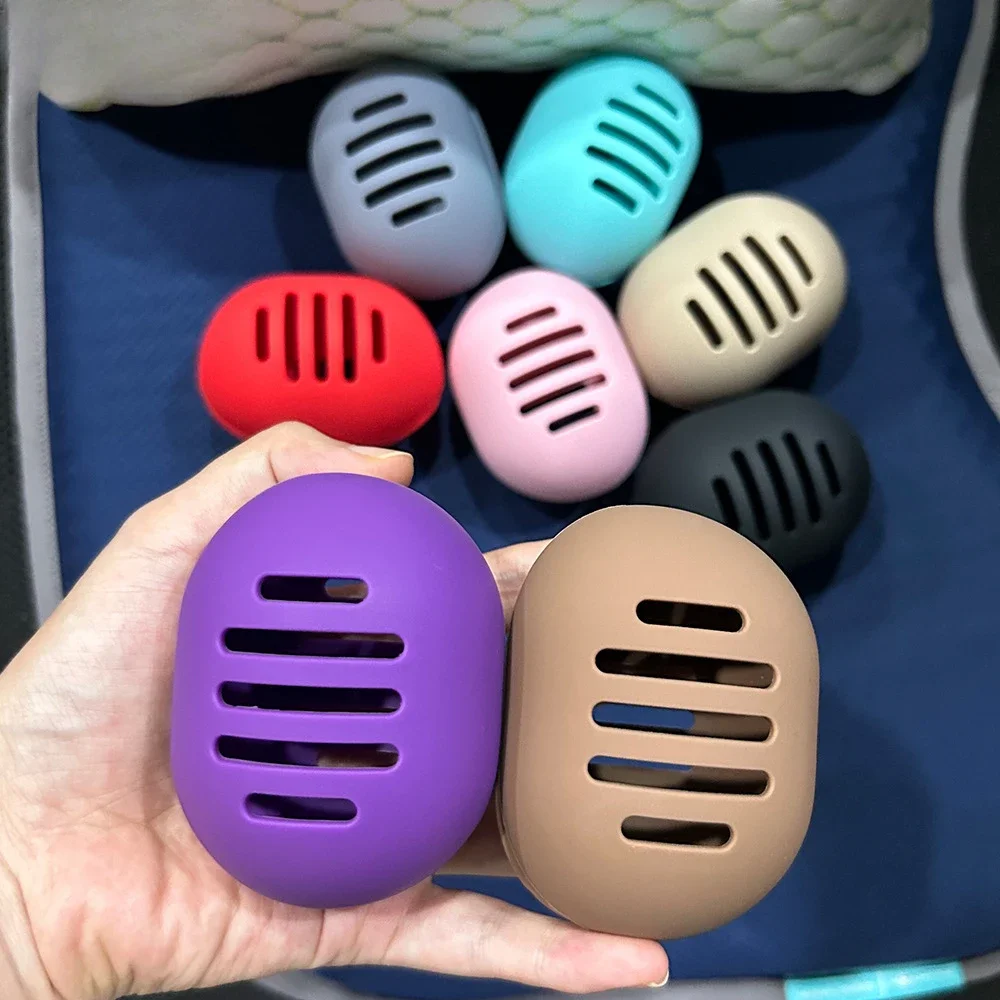
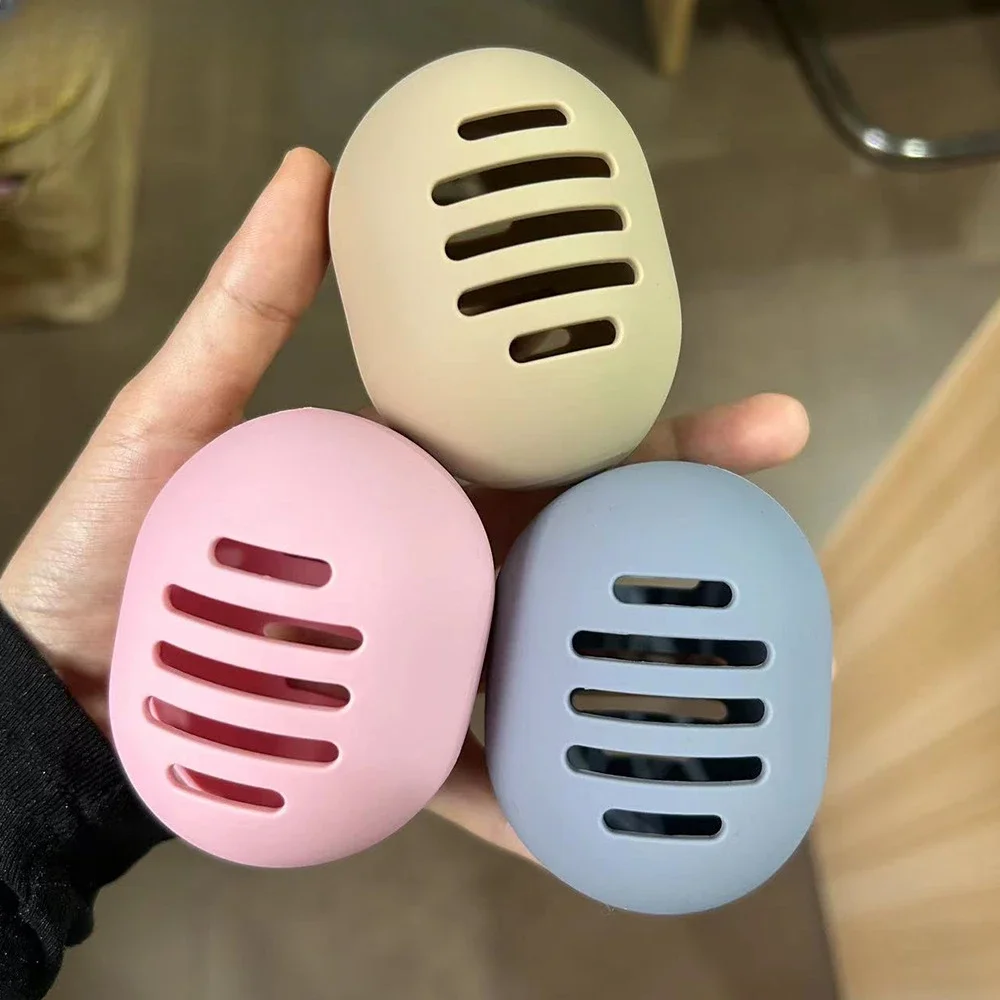
At a glance
| Material | Flexible silicone |
|---|---|
| Typical size | Fits standard beauty egg dimensions |
| Best for | Travel and hygiene-focused users |
| Where it fits | closet, pantry, or under-desk storage |
Frequently asked questions
Is silicone better than plastic for sponge storage?
Silicone is generally more hygienic because it is non-porous and resists scratching where bacteria can hide. Plastic is cheaper and rigid, which protects the sponge shape, but it can crack and is harder to sanitize thoroughly if the surface becomes damaged or stained.
How do I clean a silicone sponge case?
Wash the case with warm water and mild dish soap after each use. Disassemble the lid if possible to scrub any residue from the rim. Allow the case to air dry completely before storing the sponge to prevent mildew buildup in hidden crevices.
Will a silicone case make my sponge last longer?
It extends life by protecting the sponge from dust, pet hair, and accidental crushing. By keeping the sponge contained, you prevent surface abrasion that degrades the texture. However, it does not stop natural material breakdown, so you must still replace the sponge regularly.
Verdict
Buy this if you prioritize hygiene and travel durability. Avoid it if you have a strict budget or only store one sponge on a vanity shelf where a simple jar suffices. The premium pays for convenience, not cosmetic changes.
Product: Silicone Makeup Sponge Case: Durability vs. Plastic Trade-offs
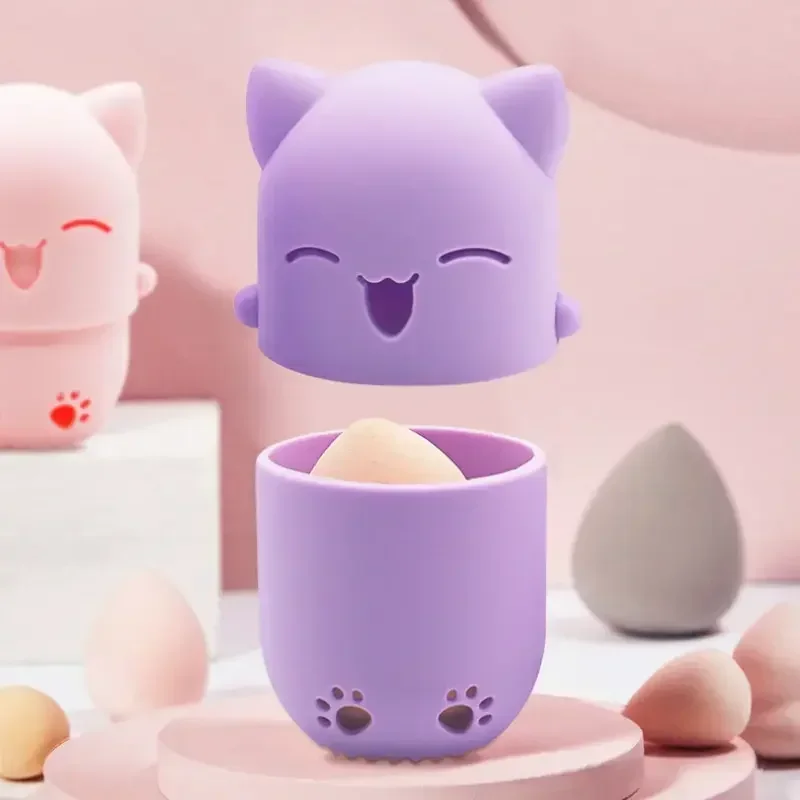
View this product on AliExpress
Listing: https://www.aliexpress.com/item/1005007341516319.html
Related guides
- Wearable Health Tech: Monitor Glucose & Mental Health 24/7
- Micro-Mobility Redesigns Last-Mile Urban Transit
- Top 10 Best-Selling Wireless Earbuds for Fitness
{“@context”: “https://schema.org”, “@graph”: [{“@type”: “Article”, “headline”: “Silicone Makeup Sponge Case: Durability vs. Plastic Trade-offs”, “description”: “Compare silicone makeup sponge cases with plastic options. Analyze durability, hygiene, and travel convenience to determine if the material upgrade is worth it”, “inLanguage”: “en”, “author”: {“@type”: “Organization”, “name”: “mambag.com”}}, {“@type”: “FAQPage”, “mainEntity”: [{“@type”: “Question”, “name”: “Is silicone better than plastic for sponge storage?”, “acceptedAnswer”: {“@type”: “Answer”, “text”: “Silicone is generally more hygienic because it is non-porous and resists scratching where bacteria can hide. Plastic is cheaper and rigid, which protects the sponge shape, but it can crack and is harder to sanitize thoroughly if the surface becomes damaged or stained.”}}, {“@type”: “Question”, “name”: “How do I clean a silicone sponge case?”, “acceptedAnswer”: {“@type”: “Answer”, “text”: “Wash the case with warm water and mild dish soap after each use. Disassemble the lid if possible to scrub any residue from the rim. Allow the case to air dry completely before storing the sponge to prevent mildew buildup in hidden crevices.”}}, {“@type”: “Question”, “name”: “Will a silicone case make my sponge last longer?”, “acceptedAnswer”: {“@type”: “Answer”, “text”: “It extends life by protecting the sponge from dust, pet hair, and accidental crushing. By keeping the sponge contained, you prevent surface abrasion that degrades the texture. However, it does not stop natural material breakdown, so you must still replace the sponge regularly.”}}]}, {“@type”: “Product”, “name”: “Silicone Makeup Sponge Case: Durability vs. Plastic Trade-offs”, “description”: “This is a durable, flexible storage solution for beauty blenders. It suits travelers and those prioritizing hygiene, as silicone resists mold better than porous fabric. It offers superior protection for sponge shape compared to rigid plastic boxes, though it costs more upfront due to material qualit”, “image”: “https://ae-pic-a1.aliexpress-media.com/kf/Sfc6fff2716854fb1b98abd1bcac16ae6k.jpg”, “offers”: {“@type”: “Offer”, “availability”: “https://schema.org/InStock”}}]}
Leave a Reply