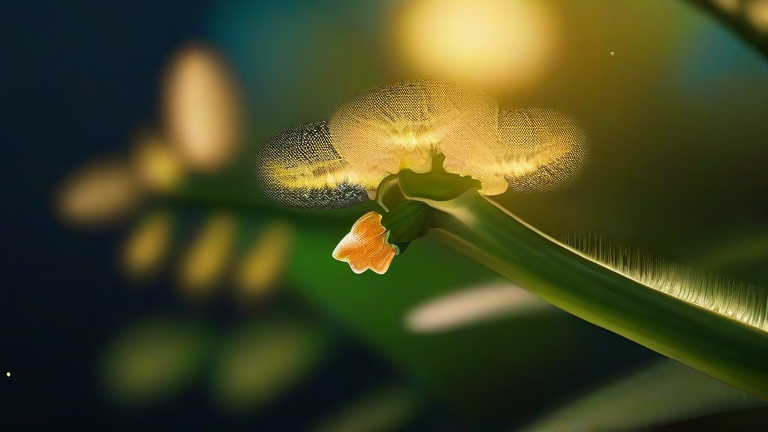
TL;DR: Scientists are not currently using firefly DNA to create glowing plants for streetlights, as this concept remains largely within the realm of speculative science fiction and early-stage experimental bio-art. While bioluminescence research is advancing, practical, sustainable, and bright enough living streetlights for public infrastructure are not yet a commercial reality.
The Allure of Living Light
The image of streets illuminated by glowing trees is a powerful symbol of a sustainable, nature-integrated future. It captures our imagination because it promises clean, renewable energy derived directly from biology rather than electricity grids. This concept, often referred to as “bio-illumination,” has been explored by various artists and researchers, most notably through the work of the company Glowlight Labs and the academic projects at the University of Amsterdam. However, it is crucial to distinguish between artistic installations and functional urban infrastructure. The idea that we can simply splice firefly DNA into common street trees is a simplification of complex genetic engineering challenges.
If you want to dig deeper, check out our guide on How to Use the Canon EOS R50 for Beginner Photography.
Scientific Realities and Challenges
Bioluminescence in fireflies relies on a chemical reaction involving luciferin, luciferase, oxygen, and ATP. While scientists have successfully transferred the genes responsible for this glow into other organisms, including plants, the resulting light is incredibly faint. It is often only visible in complete darkness and is insufficient to illuminate a street or provide safe visibility for pedestrians and drivers. Furthermore, plants require significant energy to grow and maintain themselves. Diverting energy to produce light could compromise the plant’s health, making it more susceptible to disease and environmental stress. This trade-off highlights a fundamental biological constraint: efficiency. Current bioluminescent plants are beautiful novelties, not practical lighting solutions.
Wellness in the Age of Bio-Design
While we may not have glowing streetlights yet, the intersection of biology and urban design offers valuable lessons for health and wellness. Exposure to natural light during the day and darkness at night is critical for regulating circadian rhythms. Poor lighting in urban environments can disrupt sleep patterns, increase stress, and contribute to mental health issues. Instead of waiting for biological streetlights, we can advocate for better-designed lighting systems that mimic natural light cycles. Warm, dimmable LED lights that adjust intensity throughout the evening can reduce light pollution and support human biological health. Additionally, incorporating more green spaces into cities, regardless of whether they glow, provides proven mental health benefits. Studies show that access to nature reduces cortisol levels, lowers blood pressure, and improves cognitive function.

Practical Lifestyle Tips
To improve your own relationship with light and nature, consider the following actionable steps. First, optimize your home lighting. Use warm-toned bulbs in the evening and avoid blue light from screens at least two hours before bed. Second, prioritize exposure to natural sunlight during the morning hours to anchor your circadian rhythm. Third, engage with green spaces. Even small indoor plants can improve air quality and provide a sense of calm. Finally, stay informed about sustainable technologies. Supporting companies that develop energy-efficient lighting solutions can drive innovation faster than waiting for magical biological fixes. The future of urban wellness lies in a balance of technology and nature, not in replacing one with the other.
FAQ
Q: Can I buy bioluminescent plants for my home today?
A: Yes, some companies sell genetically modified plants that glow faintly, but they are primarily for decorative purposes and do not provide meaningful illumination.
Q: Is firefly DNA safe to use in plants?
A: The genetic modification process is strictly controlled in laboratories. While generally considered safe for contained environments, widespread release of genetically modified organisms is subject to rigorous environmental regulations.
Q: Will glowing trees ever replace streetlights?
A: It is highly unlikely in the near future due to insufficient brightness and high biological maintenance costs. Artificial lighting remains more efficient and reliable for public safety.
Leave a Reply