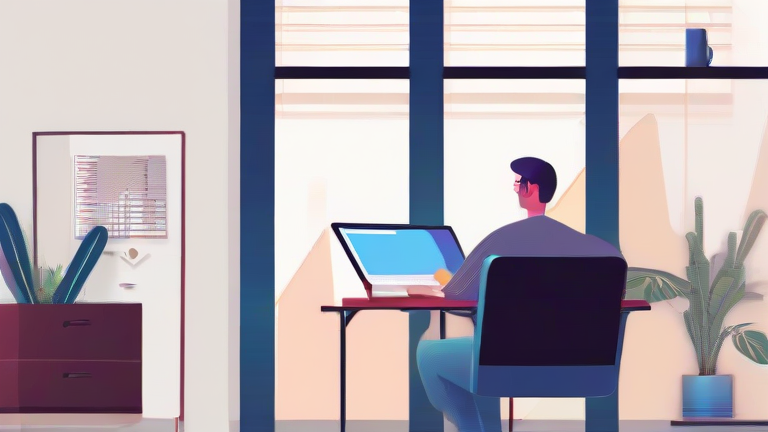
Remote Work Becomes the Default in Tech: What You Need to Know

The tech industry has undergone a seismic shift, with remote work transitioning from a temporary perk to a permanent default. While this flexibility offers undeniable benefits, it also introduces unique health challenges that require proactive management. Without the physical boundaries of an office, the lines between professional obligations and personal life blur, leading to increased risks of burnout, sedentary behavior, and digital eye strain. However, with science-backed strategies, you can transform this new reality into a sustainable, healthy lifestyle.
First, prioritize your physical environment. Ergonomics is not merely about comfort; it is a critical component of long-term musculoskeletal health. Research published in the Journal of Physical Therapy Science indicates that improper workstation setups are directly linked to chronic neck and back pain. Ensure your monitor is at eye level to prevent forward head posture, and keep your elbows at a ninety-degree angle. Invest in a supportive chair and consider a standing desk converter to alternate between sitting and standing, which helps improve circulation and reduces lower back strain.
Secondly, combat the sedentary nature of remote work. A study in the British Journal of Sports Medicine highlights that prolonged sitting significantly increases the risk of cardiovascular disease and metabolic disorders. Implement the “20-20-20” rule to protect your eyes: every twenty minutes, look at something twenty feet away for twenty seconds. Furthermore, schedule movement breaks throughout your day. Even a five-minute walk can reset your focus, boost endorphins, and break the cycle of prolonged inactivity.
Mental wellness is equally vital. The isolation of remote work can impact mood and cognitive function. Establish a strict routine that includes a clear “commute” ritual, such as a morning walk or meditation, to signal the start and end of your workday. This psychological boundary helps prevent work from encroaching on rest time. Additionally, prioritize social connection by scheduling virtual coffee chats or in-person meetups with colleagues to maintain a sense of community and support.
Finally, protect your sleep hygiene. Blue light exposure from screens can disrupt melatonin production, affecting sleep quality. Use blue-light-filtering glasses or enable night modes on your devices in the evening. Create a dedicated
Leave a Reply