Quantum Computing Breakthroughs in Drug Discovery
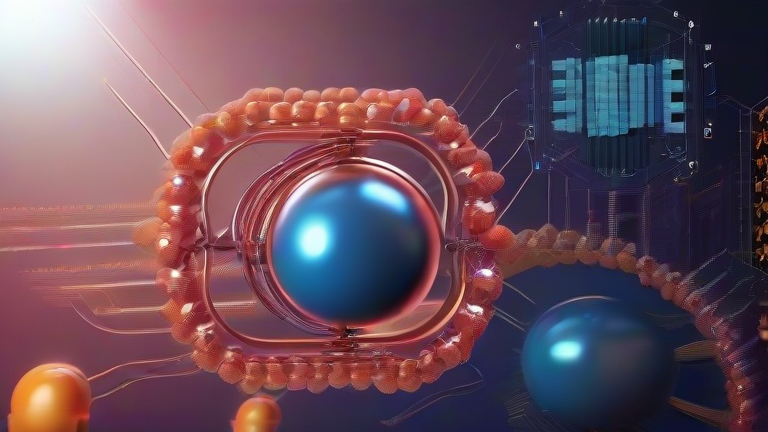
The pharmaceutical industry stands on the precipice of a technological revolution. For decades, the development of new medications has been a slow, expensive, and uncertain process, often taking over a decade and costing billions of dollars. However, recent advancements in quantum computing are beginning to dismantle these traditional barriers, offering unprecedented speed and precision in molecular simulation. This shift is not merely incremental; it is transformative, promising to reshape how we identify, design, and test potential therapies for complex diseases.
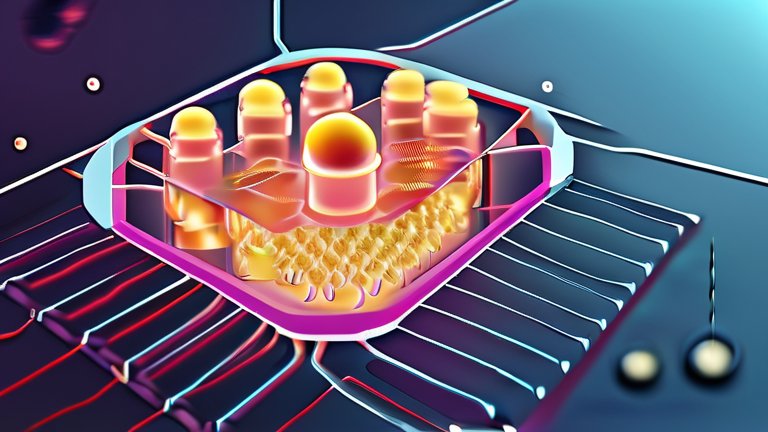
At the heart of this change is the ability of quantum computers to model molecular structures with a level of fidelity that classical computers simply cannot achieve. Traditional supercomputers struggle with the exponential complexity of quantum mechanical interactions between atoms. In contrast, quantum computers leverage qubits to process multiple states simultaneously, allowing researchers to simulate chemical reactions and protein folding in real-time. This capability is crucial for understanding how potential drug candidates interact with biological targets at the atomic level, significantly reducing the likelihood of costly failures in later stages of clinical trials.
If you want to dig deeper, check out our guide on 10 Proven Business Growth Strategies for 2024.
Market data supports the growing confidence in this technology. According to recent industry reports, the global quantum computing market is projected to reach $850 billion by 2035, with the healthcare and life sciences sector accounting for a significant portion of early adoption. Major pharmaceutical giants, including Roche, Merck, and Pfizer, have already established partnerships with quantum hardware providers like IBM and Google. These collaborations are no longer just theoretical explorations; they are yielding tangible results. For instance, recent breakthroughs in simulating the lithium-sulfur battery chemistry have paved the way for similar applications in protein-ligand binding, demonstrating the scalability of quantum algorithms in biological contexts.
Expert insights highlight the strategic importance of this transition. Dr. Elena Rostova, a leading biophysicist at the Institute for Computational Medicine, notes, “We are moving from an era of trial-and-error to one of precision engineering. Quantum computing allows us to virtually screen millions of compounds in days rather than years, identifying candidates that would have been invisible to classical methods.” This perspective
Leave a Reply