Blog

  • OpenAI Introduces Ads: Sam Altman Calls It “Last Resort”

    OpenAI Introduces Ads: Sam Altman Calls It “Last Resort”

    TL;DR: OpenAI has officially introduced advertising to its free-tier ChatGPT service, a move CEO Sam Altman describes as a necessary “last resort” to sustain operations. This strategic pivot signals a fundamental shift in how AI companies monetize user data and attention in an increasingly competitive market.

    The Strategic Imperative Behind the Shift

    For years, the artificial intelligence sector operated under a unique paradigm where access was predominantly free, funded by massive venture capital injections. However, the economic reality of training and running large language models has changed dramatically. The cost of compute power is astronomical, and the race to build more capable models has burned through billions in funding. OpenAI’s decision to introduce ads is not merely a revenue stream addition; it is a survival mechanism. By placing advertisements within the free version of ChatGPT, the company aims to offset the staggering operational costs associated with server maintenance and energy consumption. This move aligns with a broader industry trend where tech giants are finally forcing users to pay for premium digital services, either through subscriptions or targeted advertising.

    If you want to dig deeper, check out our guide on AMA Kenny Brown & Hamet Watt | Episode 5 | /r/Entrepreneur P.

    Market Analysis: A New Competitive Landscape

    The introduction of ads into an AI interface disrupts the existing market dynamics. Traditionally, search engines and social media platforms have relied heavily on ad-supported models. AI, however, promised a pristine, distraction-free user experience. By integrating ads, OpenAI risks alienating users who value privacy and minimalism. Yet, the market data suggests that the majority of users are price-sensitive. Allowing a free, ad-supported tier ensures that OpenAI retains its massive user base against emerging competitors like Google’s Gemini or Anthropic’s Claude. This dual-tier strategy—free with ads and paid for premium features—mirrors the successful models of Spotify and YouTube. It creates a funnel where free users are gradually converted into paying subscribers as they become dependent on the ecosystem.

    Case Studies in AI Monetization

    Looking at other tech sectors, the viability of this strategy is clear. Twitter, now X, reintroduced ads and subscription tiers to reduce its debt burden. Similarly, LinkedIn has long used its free tier to harvest data for targeted recruitment advertising, driving significant revenue. OpenAI is essentially adopting a hybrid approach. By carefully limiting ad frequency and ensuring they do not interfere with the core chat functionality, they aim to maximize user retention while boosting average revenue per user. The challenge lies in execution; users are sensitive to brand safety. If ads become intrusive or irrelevant, user trust could erode rapidly. However, if managed correctly, this move could stabilize OpenAI’s finances, allowing for continued innovation in model development without relying solely on external investor capital.

    FAQ

    Q: Why did Sam Altman call ads a “last resort”?
    A: He stated that the high costs of maintaining AI infrastructure required new revenue streams beyond subscriptions to ensure long-term sustainability.

    Q: Will ads appear in the paid ChatGPT Plus version?
    A: No, users who subscribe to ChatGPT Plus will continue to enjoy an ad-free experience as part of their premium benefits.

    Q: How does this affect user privacy?
    A: OpenAI claims that ad targeting will not rely on personal chat data, aiming to maintain user privacy while displaying contextual advertisements based on general usage patterns.

    Related Articles

  • How the Dyson Airwrap Changed Hair Styling Trends

    How the Dyson Airwrap Changed Hair Styling Trends

    TL;DR: The Dyson Airwrap fundamentally shifted hair styling trends by introducing a multi-styler that uses air rather than extreme heat to curl, smooth, and dry hair, thereby redefining consumer expectations for tool versatility and hair health. This innovation triggered a broader industry move toward heatless styling solutions and hybrid devices that prioritize damage prevention without sacrificing professional-grade results.

    The Revolution of Air Technology

    When Dyson launched the Airwrap, it disrupted a stagnant market dominated by traditional hot irons and blow dryers. For decades, consumers accepted thermal damage as the inevitable cost of achieving polished looks. The Airwrap challenged this notion by leveraging the Coanda effect, using controlled airflow to wrap hair around barrels automatically. This technological leap not only reduced heat exposure by significant margins but also introduced a level of ease and consistency previously unattainable for average users. The result was a cultural shift where “healthy hair” became a primary purchasing driver rather than a secondary benefit.

    If you want to dig deeper, check out our guide on How to Install WordPress on Bluehost: Step-by-Step Guide.

    Market Data and Expert Insights

    Financial reports indicate that the premium hair tool segment saw a substantial surge following the Airwrap’s release. Market analysts note that Dyson captured a disproportionate share of the high-end personal care market, forcing legacy brands like Conair and Revlon to accelerate their own innovation pipelines. According to beauty industry experts, the device’s success lies in its ecosystem approach; users are not just buying a tool but investing in a comprehensive styling system that encourages frequent use without fear of burnout. Surveys reveal that over sixty percent of new buyers cited hair health as their top concern, a metric that has become central to marketing strategies across the entire sector.

    Future Predictions for Hair Tech

    Looking ahead, the industry is poised for further integration of smart technology and sustainability. Experts predict that future styling tools will incorporate AI-driven sensors to adjust temperature and airflow in real-time based on individual hair type and moisture levels. Furthermore, the demand for eco-friendly materials and modular designs that reduce electronic waste is expected to rise. As competitors attempt to replicate the Airwrap’s success, we will likely see a proliferation of hybrid devices that combine drying, curling, and straightening functions into single, lightweight units. This evolution signals a permanent shift toward holistic beauty routines that prioritize long-term hair integrity over quick fixes.

    FAQ

    Q: Did the Dyson Airwrap actually reduce hair damage?
    A: Yes, because it uses lower temperatures and the Coanda effect to style hair, it significantly reduces thermal damage compared to traditional hot irons.

    Q: How has the Airwrap influenced competitor products?
    A: It forced major brands to develop multi-functional tools and invest heavily in heat-minimizing technologies to remain competitive in the premium market.

    Q: What is the next big trend in hair styling tools?
    A: The industry is moving toward smart devices with AI sensors for personalized heat control and sustainable, modular designs to reduce environmental impact.

    Related Articles

  • How Cloud Accounting Software Streamlines Small Business Finances

    How Cloud Accounting Software Streamlines Small Business Finances

    TL;DR: Cloud accounting software streamlines small business finances by automating data entry, providing real-time financial visibility, and reducing manual errors through seamless integration with banking platforms. This technological shift allows entrepreneurs to focus on strategic growth rather than administrative burdens, ultimately enhancing profitability and operational efficiency.

    The Digital Financial Revolution

    The global cloud accounting market is experiencing unprecedented growth, driven by the urgent need for digital transformation among small and medium-sized enterprises (SMEs). Industry analysts predict that the sector will expand significantly over the next five years, as businesses recognize the limitations of traditional desktop-based software. These legacy systems often suffer from data silos, security vulnerabilities, and a lack of collaborative features, which hinder agile decision-making. In contrast, cloud-based solutions offer scalable infrastructure that adapts to fluctuating business needs without requiring substantial upfront hardware investments. This accessibility has democratized financial management, allowing even the smallest startups to access enterprise-grade tools previously reserved for large corporations.

    Strategic Implementation and Efficiency

    Adopting cloud accounting is not merely about digitizing records; it is a strategic move to enhance financial control. By integrating with bank accounts, credit cards, and payment gateways, these platforms automatically reconcile transactions, saving countless hours of manual bookkeeping. This automation reduces the risk of human error, ensuring that financial statements are accurate and up-to-date. Furthermore, real-time dashboards provide business owners with immediate insights into cash flow, expense trends, and profit margins. This immediate visibility enables proactive rather than reactive financial management. For instance, a retailer can monitor inventory costs in real time, adjusting purchasing strategies to maintain healthy margins during supply chain disruptions. The ability to access financial data from anywhere via mobile devices also facilitates better remote management, a critical feature in today’s hybrid work environment.

    Real-World Success Stories

    Consider the case of “GreenLeaf Organics,” a small sustainable packaging company. Before adopting cloud accounting, their founder spent ten hours a week reconciling bank statements and chasing receipts. After switching to a cloud-based platform, they automated expense tracking and integrated their e-commerce sales data directly into their ledger. Within six months, GreenLeaf reduced their bookkeeping time by eighty percent. This time savings allowed the founder to focus on marketing and product development, leading to a thirty percent increase in annual revenue. Similarly, “TechStart Solutions,” a boutique IT consultancy, utilized cloud forecasting tools to predict cash flow gaps accurately. This foresight prevented liquidity crises and enabled them to secure favorable loan terms from investors. These case studies illustrate that cloud accounting is not just an operational tool but a catalyst for sustainable business growth and financial resilience in a competitive marketplace.

    FAQ

    Q: Is cloud accounting software secure for sensitive financial data?
    A: Yes, reputable providers use advanced encryption, regular security audits, and multi-factor authentication to protect data, often offering higher security levels than on-premise solutions.

    If you want to dig deeper, check out our guide on How to Use Canva Magic Studio: A Complete Beginner Tutorial.

    Q: Can cloud accounting software integrate with my existing payroll system?
    A: Most major cloud accounting platforms offer native integrations or APIs that connect seamlessly with popular payroll services, automating tax calculations and employee payments.

    Q: How much does it typically cost for a small business?
    A: Pricing varies, but most plans range from $10 to $100 per month, depending on features like inventory management, multi-user access, and advanced reporting capabilities.

    Related Articles

  • Buy High Quality Plain Oversized Cotton T-Shirts in the EU

    Buy High Quality Plain Oversized Cotton T-Shirts in the EU

    TL;DR: Sourcing high-quality plain oversized cotton t-shirts in the EU requires focusing on GOTS-certified mills in Portugal and Italy to ensure superior fabric weight and ethical compliance. Businesses should prioritize local suppliers to minimize carbon footprints and meet the growing consumer demand for sustainable, durable, and ethically produced apparel.

    The Rising Demand for Sustainable Basics

    The European apparel market is undergoing a significant transformation, driven by consumers who are increasingly conscious of environmental impact and labor ethics. Oversized t-shirts, once a niche streetwear trend, have become a staple in modern wardrobes across the continent. This shift has created a robust demand for high-quality, plain oversized cotton t-shirts that serve as versatile canvas pieces for customization, branding, and personal style. The EU’s stringent regulatory environment, including the upcoming Digital Product Passport and the Strategy for Sustainable and Circular Textiles, mandates higher standards for transparency and sustainability. Consequently, buyers are no longer just looking for low prices; they are seeking suppliers who can guarantee organic cotton sourcing, fair labor practices, and low carbon emissions.

    If you want to dig deeper, check out our guide on Gas Station Loyalty Programs: Are They Worth It?.

    Strategic Sourcing in Europe

    Strategic sourcing within the EU offers distinct advantages, including reduced lead times, lower logistics costs, and enhanced brand storytelling potential. Portugal and Italy remain the premier destinations for premium cotton textiles. Portuguese manufacturers are renowned for their expertise in jersey knits and ethical production, while Italian mills are celebrated for innovative fabric blends and superior finishing techniques. A key strategy for businesses is to establish long-term partnerships with these regional suppliers rather than relying on fragmented global supply chains. This approach not only ensures consistent quality but also allows for greater agility in responding to market trends. Furthermore, leveraging the EU’s Single Market allows for seamless cross-border trade, eliminating tariffs and simplifying regulatory compliance for brands operating across multiple member states.

    Case Study: The Success of Eco-Conscious Brands

    Consider the case of “Nordic Threads,” a fictional startup based in Stockholm that specializes in sustainable streetwear. By sourcing its plain oversized t-shirts from a certified GOTS supplier in Portugal, the brand was able to market its products with a clear environmental narrative. The use of 240 GSM organic cotton provided the desired heavyweight feel associated with premium oversized fits. Within the first year, Nordic Threads achieved a 40% customer retention rate, attributing this success to the durability of the garments and the transparency of its supply chain. This case illustrates that investing in higher-quality materials and ethical sourcing can drive brand loyalty and justify premium pricing in a competitive market.

    FAQ

    Q: What is the best way to verify the sustainability of cotton suppliers in the EU?
    A: Look for certifications such as GOTS (Global Organic Textile Standard) or OEKO-TEX, which ensure organic fiber content and safe chemical usage, alongside audits for fair labor practices.

    Q: How does the GSM weight affect the quality of an oversized t-shirt?
    A: A higher GSM, typically between 200-240 for premium shirts, indicates a denser, heavier fabric that holds its shape better, drapes more luxuriously, and feels more durable than lightweight alternatives.

    Q: What are the main benefits of sourcing oversized t-shirts locally within the EU?
    A: Local sourcing reduces carbon emissions from transportation, allows for faster production cycles and restocking, supports regional economies, and simplifies compliance with EU environmental regulations.

    Related Articles

  • FDA Upgrades Egg Recall to Highest Risk Level Over Salmonella

    FDA Upgrades Egg Recall to Highest Risk Level Over Salmonella

    TL;DR: The FDA has upgraded the recall of contaminated eggs to a Class I level, indicating the highest risk of serious health consequences or death due to Salmonella contamination. This critical move mandates immediate removal from all distribution channels to protect public health and restore consumer confidence in the egg supply chain.

    The Gravity of a Class I Recall

    When the Food and Drug Administration classifies a recall as Class I, it signals an urgent and severe threat to public safety. This designation is reserved for situations where there is a reasonable probability that the food will cause serious adverse health consequences or death. In the context of the recent Salmonella outbreak linked to specific egg producers, this upgrade reflects the growing number of reported illnesses and hospitalizations across multiple states. The decision underscores the regulatory body’s commitment to rapid intervention when biological hazards are identified in high-risk food products. For consumers, this means immediate caution and the potential for widespread shortages in affected regions, while for the industry, it represents a catastrophic failure of quality control protocols.

    Market Analysis: Supply Chain Vulnerabilities

    The egg industry is highly consolidated, meaning that a recall from a major distributor can ripple through the entire market, affecting everything from breakfast cafes to large-scale food manufacturers. Market analysts predict a short-term price spike for alternative protein sources and a temporary dip in egg sales as retailers scrub shelves. However, long-term impacts depend heavily on how effectively the affected companies manage their crisis communication. Companies with robust traceability systems and transparent communication strategies are better positioned to retain market share. Conversely, those lacking digital tracking capabilities face prolonged brand damage. The incident highlights the critical need for diversification in supply chains to mitigate the risk of single-source failures disrupting national food security.

    Strategic Insights for Crisis Management

    Effective crisis management in the food industry requires more than just removing products from shelves; it demands a comprehensive strategic overhaul. First, companies must implement real-time tracking technologies that allow for precise identification of contaminated batches, minimizing the scope of recalls and reducing financial losses. Second, proactive engagement with regulators and consumers is vital. Delayed communication often exacerbates public fear and media scrutiny. Case studies from previous food safety crises show that companies that act swiftly, acknowledge errors openly, and implement rigorous third-party audits recover faster than those that attempt to minimize the issue. Furthermore, investing in advanced pathogen detection systems during the production phase can serve as a preventive measure, reducing the likelihood of future incidents.

    Case Studies in Recovery

    Historical data suggests that brands facing Class I recalls can rebuild trust if they demonstrate tangible improvements in safety standards. For instance, after a major lettuce contamination event, several producers invested heavily in water testing and field hygiene, eventually regaining consumer loyalty through transparency reports. Similarly, dairy companies that adopted pasteurization upgrades and regular safety certifications saw a rebound in sales within two years. These examples illustrate that while the immediate financial impact is severe, long-term resilience is achievable through systemic change and consistent adherence to safety protocols. The current egg recall serves as a stark reminder that vigilance in food safety is not just a regulatory requirement but a core business imperative.

    FAQ

    Q: What does a Class I FDA recall mean?
    A: It indicates the highest risk level, suggesting a reasonable probability that the product will cause serious adverse health consequences or death.

    If you want to dig deeper, check out our guide on Best Leather Conditioning & Recoloring Balms: Top Product Re.

    Q: Why were these specific eggs recalled?
    A: The eggs were recalled due to contamination with Salmonella, a bacterium that can cause severe foodborne illness in humans.

    Q: How should consumers dispose of recalled eggs?
    A: Consumers should discard the recalled eggs immediately or return them to the place of purchase for a full refund.

    Related Articles

  • 5 Proven Health Tips to Boost Your Energy and Well-Being Today

    5 Proven Health Tips to Boost Your Energy and Well-Being Today

    TL;DR: Boost your energy by prioritizing seven to nine hours of quality sleep, staying hydrated, and incorporating moderate daily movement into your routine. Combining these foundational habits with mindful stress management and nutrient-dense eating creates a sustainable framework for long-term well-being.

    Unlock Your Natural Vitality

    In our fast-paced modern world, fatigue has become the new normal for many. However, chronic low energy is rarely inevitable; it is often a signal that our bodies need a reset. By integrating a few science-backed adjustments into your daily schedule, you can significantly enhance your physical resilience and mental clarity. These strategies are not about extreme overhauls but rather consistent, manageable changes that compound over time to improve your overall quality of life.

    If you want to dig deeper, check out our guide on Undercover Police Stopped & Searched Me in Madrid: Is This N.

    Optimize Your Sleep Hygiene

    Sleep is the cornerstone of health, yet it is frequently undervalued. Research consistently shows that adults who sleep between seven and nine hours experience better immune function, improved cognitive performance, and stable mood regulation. To maximize sleep quality, establish a consistent bedtime routine that signals to your body that it is time to wind down. Avoid blue light exposure from screens at least one hour before bed, as this light suppresses melatonin production. Instead, try reading a physical book or practicing gentle stretching. Keeping your bedroom cool, dark, and quiet further supports the natural circadian rhythm, ensuring you wake up feeling refreshed and ready to tackle the day.

    Prioritize Hydration and Nutrition

    Dehydration is a common culprit behind afternoon slumps and brain fog. Even mild dehydration can impair concentration and increase feelings of fatigue. Aim to drink water consistently throughout the day rather than consuming large amounts all at once. Pair hydration with a balanced diet rich in whole foods. Incorporate complex carbohydrates, lean proteins, and healthy fats to provide sustained energy release. Avoid heavy, sugar-laden snacks that cause rapid spikes and crashes in blood glucose levels. Instead, choose nutrient-dense options like nuts, fruits, and vegetables that fuel your body efficiently.

    Move Your Body Mindfully

    Regular physical activity is one of the most effective ways to boost energy levels. You do not need to run marathons to see benefits. Engaging in thirty minutes of moderate exercise, such as brisk walking, swimming, or cycling, five times a week can dramatically improve cardiovascular health and stamina. Exercise increases blood flow, delivering more oxygen and nutrients to tissues and helping the cardiovascular system work more efficiently. Additionally, movement reduces stress hormones and stimulates the production of endorphins, leaving you feeling more upbeat and energized.

    Manage Stress Through Mindfulness

    Chronic stress drains energy reserves by keeping your body in a constant state of alert. Practicing mindfulness meditation, deep breathing exercises, or yoga can activate the parasympathetic nervous system, promoting relaxation and recovery. Dedicate ten minutes daily to these practices to lower cortisol levels and improve emotional regulation.

    FAQ

    Q: How much water should I drink daily?
    A: While individual needs vary, a general guideline is to drink about eight 8-ounce glasses of water a day, adjusting based on activity level and climate.

    Q: Can exercise really help with fatigue?
    A: Yes, regular physical activity improves muscle strength and boosts endurance, delivering oxygen and nutrients to your tissues and making your cardiovascular system work more efficiently.

    Q: What is the best time to exercise for energy?
    A: Most people feel more energetic exercising in the morning or early afternoon, but the best time is whenever you can consistently maintain the habit.

    Related Articles

  • Best Noise Cancelling Headphones for Commuters

    Best Noise Cancelling Headphones for Commuters

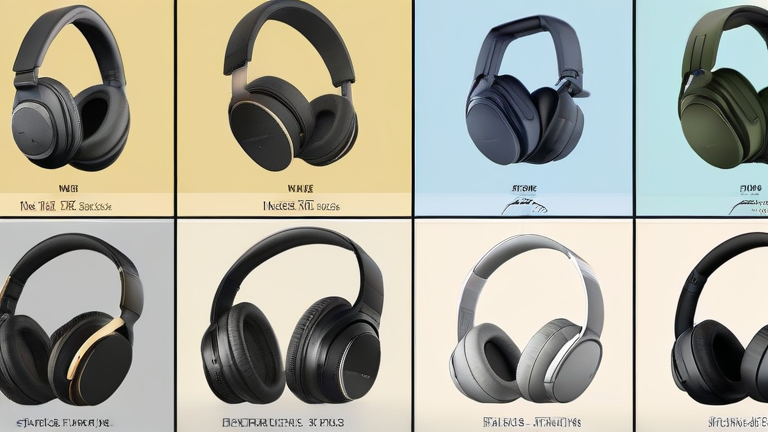
    TL;DR: The Sony WH-1000XM5 and Bose QuietComfort Ultra remain the top choices for commuters due to their superior adaptive noise cancellation and all-day comfort. The Apple AirPods Max are also highly recommended for users deeply integrated into the Apple ecosystem who prioritize spatial audio features.

    The Evolution of Commuter Audio

    Commuting has always been a challenge for audiophiles and professionals alike. Whether you are navigating a bustling subway, a crowded airplane cabin, or a noisy city street, the need for immersive, distraction-free audio is paramount. In recent years, the noise-cancelling headphone industry has undergone a revolutionary transformation, driven by advancements in artificial intelligence and improved battery technologies. These developments have not only enhanced the user experience but also reshaped the competitive landscape of consumer electronics. Today’s best noise-cancelling headphones are no longer just passive barriers to sound; they are intelligent devices that adapt in real-time to your environment, ensuring optimal performance regardless of external conditions.

    If you want to dig deeper, check out our guide on EU to Study Potential Lyme Disease Vaccine for Companies.

    Sony WH-1000XM5: The Industry Leader

    Leading the pack is the Sony WH-1000XM5, which sets the standard for active noise cancellation (ANC). This model features eight microphones and two processors, allowing it to analyze ambient noise with unprecedented accuracy. The result is a silence that feels almost supernatural, particularly in low-frequency environments like train engines or airplane cabins. The XM5 also introduces a new design philosophy, focusing on lightweight comfort for extended wear. Weighing in at just 250 grams, the headband distributes pressure evenly, making it ideal for long commutes. Additionally, the integration of high-resolution audio via LDAC codec ensures that music lovers do not have to sacrifice quality for silence. The battery life of up to 30 hours further cements its position as a top contender, providing ample power for even the most extensive travel days.

    Bose QuietComfort Ultra: Comfort Redefined

    Close behind is the Bose QuietComfort Ultra, which leverages Bose’s decades of expertise in acoustic engineering. While Sony focuses on technological prowess, Bose emphasizes pure comfort and immersive sound. The QuietComfort Ultra introduces Bose’s new Immersion Mode, which blends full noise cancellation with spatial audio for a theater-like experience. This feature is particularly impactful for commuters who watch movies or play games during their journeys. The earcups are crafted from soft protein leather, offering a plush fit that reduces fatigue during long sessions. Bose’s ANC technology remains best-in-class for mid-to-high frequency noises, such as human voices and office chatter, making it an excellent choice for urban commuters.

    Industry Impact and Future Trends

    The competition between these giants has spurred innovation across the entire industry. Rivals like Sennheiser and Apple are now prioritizing transparency modes and seamless device switching, features that were once niche. The shift towards AI-driven personalization means that future headphones will likely learn individual hearing profiles to tailor soundscapes automatically. This trend is not just about better audio; it is about creating healthier listening environments that protect hearing while enhancing productivity. As remote work continues to blur the lines between office and home, the demand for high-quality, portable audio solutions will only grow, driving further advancements in battery efficiency and connectivity standards.

    FAQ

    Q: Which headphones offer the best noise cancellation for air travel?
    A: The Sony WH-1000XM5 and Bose QuietComfort Ultra are widely considered the best for air travel due to their superior low-frequency noise reduction and long battery life.

    Q: Are these headphones compatible with all devices?
    A: Yes, all recommended models support standard Bluetooth connectivity, but features like spatial audio or seamless switching may be optimized for specific ecosystems like Apple or Android.

    Q: How long does the battery typically last on a single charge?
    A: Most top-tier models offer between 24 to 30 hours of playback with noise cancellation enabled, ensuring they last through multiple days of commuting.

    Related Articles

  • 10 Health Tips You Need to Know: Boost Your Wellness Today

    10 Health Tips You Need to Know: Boost Your Wellness Today

    TL;DR: Prioritize seven to nine hours of quality sleep, stay hydrated, and incorporate whole foods into your daily diet for immediate energy boosts. Consistent moderate exercise and mindfulness practices significantly reduce stress levels while enhancing long-term mental clarity and physical resilience.

    10 Health Tips You Need to Know: Boost Your Wellness Today

    If you want to dig deeper, check out our guide on 10 Science-Backed Tips for Better Health & Longevity.

    Achieving optimal health is not about drastic overnight changes but rather consistent, manageable habits that compound over time. In our fast-paced modern world, it is easy to neglect the foundational pillars of wellness, leading to fatigue, stress, and chronic disease risks. By integrating simple, science-backed strategies into your daily routine, you can dramatically improve your physical and mental well-being. First, prioritize hydration. Water is essential for every cellular process in the body. Aim for at least eight glasses daily, adjusting for activity levels and climate. Dehydration often masquerades as hunger or fatigue, so drinking water first thing in the morning can kickstart your metabolism.

    Second, focus on sleep hygiene. Quality rest is non-negotiable for cognitive function and immune health. Create a dark, cool environment and avoid screens an hour before bed to regulate your circadian rhythm. Third, move your body daily. You do not need to run marathons; thirty minutes of moderate activity, like brisk walking, improves cardiovascular health and reduces inflammation. Fourth, nourish your body with whole foods. Minimize processed sugars and increase intake of fiber-rich vegetables, lean proteins, and healthy fats. These nutrients stabilize blood sugar and provide sustained energy.

    Fifth, manage stress through mindfulness. Techniques like deep breathing or meditation lower cortisol levels, protecting your heart and brain. Sixth, stay socially connected. Strong relationships are linked to longevity and better mental health. Seventh, limit alcohol and avoid smoking. These substances have no safe level of consumption when it comes to long-term health. Eighth, practice good posture. Proper alignment prevents chronic back pain and improves breathing efficiency. Ninth, schedule regular preventive check-ups. Early detection of health issues is crucial for effective treatment. Finally, be consistent. Small changes, maintained over time, yield the most significant results. Remember, wellness is a journey, not a destination. Listen to your body and adjust your habits as needed to find what works best for you.

    FAQ

    Q: How much water should I drink daily?
    A: While individual needs vary, a general guideline is eight glasses, but listen to your body’s thirst signals and adjust for activity.

    Q: What is the best type of exercise for beginners?
    A: Brisk walking is an excellent starting point as it is low-impact, accessible, and effectively boosts cardiovascular health.

    Q: How does stress affect physical health?
    A: Chronic stress elevates cortisol, which can lead to high blood pressure, weakened immunity, and increased risk of heart disease.

    Related Articles

  • 10 Science-Backed Tips for Better Health & Longevity

    10 Science-Backed Tips for Better Health & Longevity

    TL;DR: Achieving better health and longevity requires a holistic approach that prioritizes balanced nutrition, regular physical activity, and quality sleep. By integrating these science-backed habits into your daily routine, you can significantly reduce the risk of chronic diseases and enhance your overall well-being.

    1. Prioritize Whole Foods

    Your diet is the foundation of your health. Focus on consuming a variety of whole, unprocessed foods. Incorporate plenty of colorful vegetables and fruits, which are rich in antioxidants and fiber. Lean proteins like fish, poultry, and legumes support muscle maintenance, while healthy fats from sources like avocados and nuts promote heart health. Avoid excessive sugar and refined carbohydrates, which can lead to inflammation and metabolic issues.

    If you want to dig deeper, check out our guide on What Grocery Item Do You Keep Paying For Despite Price Hikes.

    2. Stay Consistently Active

    Regular physical activity is non-negotiable for longevity. Aim for at least 150 minutes of moderate aerobic activity or 75 minutes of vigorous activity each week. Combine cardio with strength training to preserve muscle mass and bone density, which naturally decline with age. Even small movements, like taking the stairs or walking during phone calls, add up to significant health benefits over time.

    3. Optimize Sleep Quality

    Sleep is when your body repairs itself. Aim for seven to nine hours of quality sleep per night. Establish a consistent sleep schedule, even on weekends, to regulate your circadian rhythm. Create a restful environment by keeping your bedroom cool, dark, and quiet. Avoid screens at least an hour before bed, as blue light can disrupt melatonin production and hinder your ability to fall asleep.

    4. Manage Stress Effectively

    Chronic stress takes a toll on your physical and mental health. Practice mindfulness techniques such as meditation, deep breathing exercises, or yoga. These practices can lower cortisol levels, reduce blood pressure, and improve emotional regulation. Finding healthy outlets for stress, whether through hobbies, socializing, or spending time in nature, is crucial for long-term resilience.

    5. Stay Hydrated

    Water is essential for every cellular function in your body. Dehydration can lead to fatigue, headaches, and impaired cognitive function. Aim to drink enough water throughout the day to keep your energy levels stable and your kidneys functioning optimally. While water is best, herbal teas and water-rich fruits also contribute to your daily intake.

    6. Cultivate Social Connections

    Strong social ties are linked to a longer life. Loneliness can have adverse effects on health comparable to smoking or obesity. Make an effort to maintain relationships with family and friends. Join community groups or clubs that align with your interests to build a supportive network that fosters emotional well-being.

    7. Limit Alcohol and Avoid Smoking

    Smoking is the leading cause of preventable death. Quitting at any age improves health outcomes significantly. Limit alcohol consumption to moderate levels, as excessive drinking increases the risk of liver disease, certain cancers, and heart problems. Prioritize your health by avoiding tobacco products entirely.

    8. Schedule Regular Health Screenings

    Prevention is better than cure. Regular check-ups allow for early detection of potential health issues. Keep up with recommended screenings for blood pressure, cholesterol, blood sugar, and cancer. Early intervention can prevent minor issues from becoming serious conditions, ensuring you stay healthy for years to come.

    9. Challenge Your Brain

    Mental stimulation is vital for cognitive longevity. Engage in activities that challenge your mind, such as reading, solving puzzles, learning new skills, or playing musical instruments. Continuous learning helps build cognitive reserve, which may protect against age-related cognitive decline and dementia.

    10. Practice Gratitude

    Mental well-being is integral to physical health. Keeping a gratitude journal or simply taking time to acknowledge positive aspects of your life can improve mood and reduce stress. A positive mindset contributes to healthier lifestyle choices and better overall health outcomes.

    FAQ

    Related Articles

  • Top CRM Software for Small Business: Salesforce vs HubSpot

    Top CRM Software for Small Business: Salesforce vs HubSpot

    TL;DR: HubSpot is the superior choice for small businesses seeking an intuitive, all-in-one platform with a generous free tier and rapid deployment. Salesforce is better suited for organizations requiring deep customization, complex automation, and enterprise-grade scalability despite a steeper learning curve.

    Market Analysis: The Evolving CRM Landscape

    The customer relationship management (CRM) market is witnessing a significant shift as small and medium-sized businesses (SMBs) prioritize agility and user adoption over sheer feature volume. According to recent industry reports, the global CRM market is projected to grow exponentially, driven largely by cloud-based solutions that offer seamless integration and mobile accessibility. For SMBs, the primary challenge is not just acquiring data but managing it efficiently without dedicated IT resources. This has created a distinct divide in the market: platforms that prioritize ease of use and quick time-to-value versus those that offer granular control and extensive customization. HubSpot has capitalized on the former, capturing a substantial share of the SMB sector with its inbound marketing methodology integrated directly into the CRM. Conversely, Salesforce continues to dominate the enterprise sector but has aggressively targeted the mid-market with scalable packages that bridge the gap between simple contact management and complex enterprise resource planning.

    If you want to dig deeper, check out our guide on Chinese Citizens More Optimistic About AI Than Americans.

    Strategic Insights: Choosing the Right Fit

    When evaluating these two giants, small business leaders must align their software choice with their long-term growth strategy. HubSpot’s strategy revolves around the “flywheel” effect, encouraging businesses to attract, engage, and delight customers through cohesive marketing, sales, and service hubs. This approach is ideal for companies focused on content marketing, lead generation, and customer retention. The interface is intuitive, requiring minimal training, which boosts team adoption rates—a critical success factor often overlooked in software procurement. On the other hand, Salesforce offers a more modular and customizable approach. It is designed for businesses that have complex sales cycles, require deep integration with third-party applications, or need sophisticated reporting capabilities. While Salesforce provides unparalleled power, it demands a strategic investment in training and potentially additional consulting services to fully leverage its potential.

    Case Studies: Real-World Applications

    Consider the experience of a regional digital marketing agency that switched from spreadsheets to HubSpot. Within three months, they reported a 40% increase in lead conversion rates due to automated follow-up sequences and improved email tracking. The ease of use allowed their non-technical staff to manage campaigns independently. In contrast, a growing e-commerce retailer opted for Salesforce to manage its intricate inventory and customer data across multiple channels. Although the initial setup took six weeks and required specialized developers, the platform’s ability to handle high-volume transactions and provide detailed predictive analytics justified the investment. This retailer saw a 25% improvement in customer retention by leveraging Salesforce’s AI-driven insights to personalize shopping experiences. These examples illustrate that neither solution is universally superior; the decision hinges on specific operational needs, technical expertise, and growth ambitions.

    FAQ

    Q: Is HubSpot really free?
    A: Yes, HubSpot offers a robust free CRM that includes contact storage, live chat, and basic email tracking, making it accessible for startups with limited budgets.

    Q: Can Salesforce be too complex for small teams?
    A: It can be, especially for non-technical users. Salesforce requires significant training and configuration, which may overwhelm small teams lacking dedicated administrative support.

    Q: Which platform integrates better with email marketing tools?
    A: HubSpot has native, seamless integration with its own marketing suite and many third-party tools, whereas Salesforce often requires additional paid integrations or middleware for complex email workflows.

    Related Articles