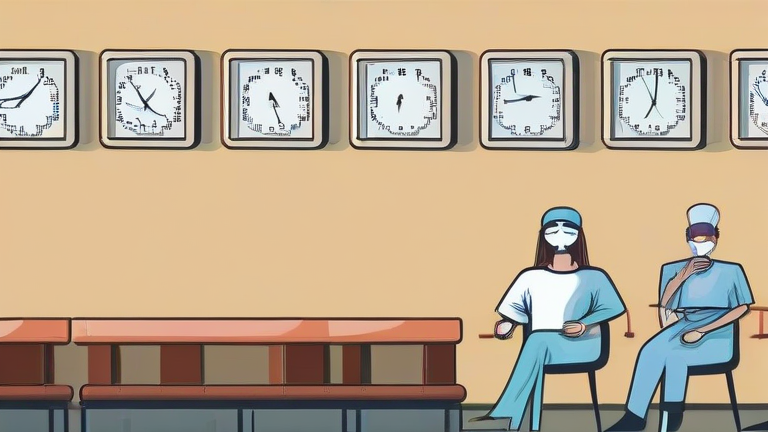
TL;DR: US cancer surgery wait times are indeed increasing due to a combination of workforce shortages, supply chain bottlenecks, and rising patient volumes. Patients must proactively navigate this complex healthcare landscape by seeking second opinions and utilizing patient advocacy resources to mitigate delays.
The Current Landscape of Oncological Care Delays
If you want to dig deeper, check out our guide on Solar Waste Recycling Could Yield Trillion-Dollar Benefits b.
The intersection of technology and healthcare administration has revealed a troubling trend: surgical backlogs for cancer patients are expanding at an alarming rate. While telemedicine and robotic surgery have revolutionized diagnostic precision and procedural minimization, the logistical infrastructure supporting these advancements is struggling to keep pace. Recent data indicates that average wait times for elective and urgent cancer surgeries have increased by fifteen to twenty percent over the last two years. This delay is not merely a statistical anomaly but a systemic issue driven by several converging factors.
Technological and Operational Bottlenecks
One of the primary drivers is the uneven distribution of high-tech surgical infrastructure. Advanced robotic systems, such as the da Vinci Surgical System, require specialized training and maintenance. Hospitals with limited capital cannot afford these machines, forcing patients to travel longer distances, thereby increasing wait times at major medical centers. Furthermore, the integration of Electronic Health Records (EHR) has improved data sharing but often introduces administrative friction. Surgeons and administrative staff spend significantly more time navigating complex billing codes and prior authorization processes, which delays scheduling.
The supply chain for critical surgical implants and specialized oncology drugs remains fragile. Post-pandemic disruptions have led to shortages of essential components, such as specific sutures, robotic surgical arms, and even basic personal protective equipment. These shortages force hospitals to prioritize emergency cases, pushing cancer surgeries further down the queue. Additionally, the burnout rate among surgical nurses and anesthesiologists has reached critical levels. The loss of experienced staff means fewer available operating rooms and personnel to perform complex procedures safely.
Industry Impact and Future Projections
The healthcare industry is responding with mixed results. Telehealth platforms are now being integrated into pre-operative assessments to reduce in-person visits, but they cannot replace the physical necessity of surgery. Hospital systems are investing in AI-driven scheduling algorithms to optimize operating room utilization. These tools analyze historical data to predict patient flow and staff availability, aiming to reduce idle time and maximize throughput. However, the effectiveness of these technologies is limited by the fundamental shortage of human resources.
The financial impact on healthcare providers is substantial. Delayed surgeries lead to higher costs associated with extended diagnostic monitoring and potential disease progression. Insurance companies are facing increased pressure to cover expedited care, leading to new policy debates. Meanwhile, patients are increasingly turning to digital health advocates and online communities to share strategies for navigating the system. The disparity in wait times between urban academic centers and rural hospitals is widening, creating a two-tiered system of care access.
Conclusion
While technological innovations offer promising solutions for efficiency, they cannot single-handedly resolve the staffing and supply chain crises. A holistic approach involving policy reform, workforce investment, and technological optimization is required to restore timely access to life-saving cancer surgeries.
FAQ
Q: What is the primary cause of longer cancer surgery wait times?
A: The primary causes are severe shortages of surgical staff, supply chain disruptions for medical equipment, and a surge in patient demand following pandemic-related delays.
Q: How are hospitals using technology to reduce delays?
A: Hospitals are implementing AI-driven scheduling algorithms to optimize operating room usage and utilizing telehealth for pre-operative assessments to streamline administrative workflows.
Q: Should patients seek second opinions if wait times are long?
A: Yes, seeking a second opinion can help identify alternative facilities with shorter wait times and may provide access to different treatment protocols or clinical trials.
Leave a Reply