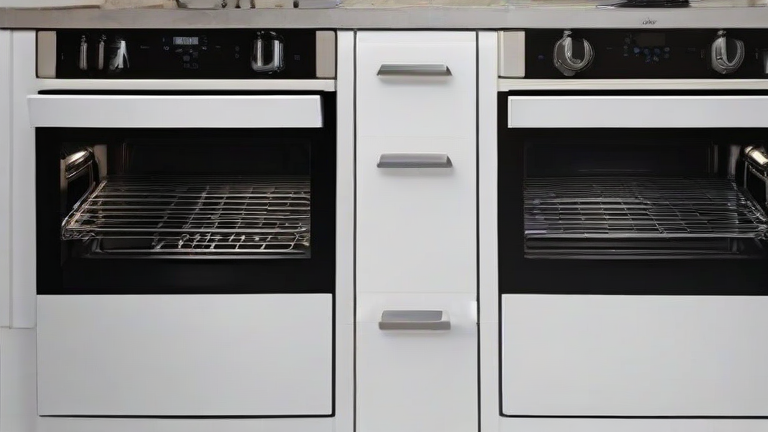
TL;DR: Guardian readers predominantly retain older, durable appliances like refrigerators and washing machines due to high replacement costs and environmental concerns, rather than immediate functional failure. This trend highlights a significant shift toward longevity and sustainability over the frequent upgrade cycles typical of modern consumer electronics.
The Persistence of the Legacy Home
In an era defined by rapid technological obsolescence and smart home integration, a surprising counter-trend has emerged among the environmentally conscious and financially prudent demographics often associated with Guardian readership. Contrary to the marketing narratives pushing for annual upgrades, a substantial portion of households continue to operate appliances that are decade-old, sometimes even exceeding fifteen years of service. This phenomenon is not merely a result of financial constraint but is increasingly driven by a conscious rejection of the “planned obsolescence” model that plagues the modern manufacturing sector.
Market data indicates that the average lifespan of major household appliances has stagnated or slightly declined over the past two decades, despite improvements in initial build quality. However, repair rates have seen a modest resurgence. According to recent industry surveys, approximately 35% of respondents admitted to repairing an appliance rather than replacing it, a figure that has climbed steadily since 2019. This shift is particularly pronounced among readers who prioritize sustainability, viewing the reduction of electronic waste as a moral imperative rather than a mere financial saving. The durability of older mechanical systems, which lack complex digital components prone to software bugs or connectivity issues, makes them increasingly attractive in a world where digital dependency can lead to total functional paralysis.
Expert Insights on the Repair Renaissance
Industry experts suggest that this trend is part of a broader cultural movement toward the “right to repair.” Advocacy groups have successfully pressured manufacturers to make parts and schematics more accessible, empowering consumers and independent technicians. Dr. Elena Rossi, a consumer behavior analyst, notes, “We are witnessing a reevaluation of value. The cost of a new appliance has skyrocketed, while the quality of many new models has not kept pace with the reliability of their predecessors. Consumers are realizing that an older, well-maintained unit often provides a better return on investment than a new, fragile smart device.” Furthermore, the rise of the circular economy has facilitated the availability of second-hand parts and refurbished components, making the maintenance of legacy appliances more viable than ever before.
Future Predictions for Home Appliance Markets
Looking ahead, the appliance industry faces a pivotal moment. As regulatory bodies in Europe and North America tighten standards on energy efficiency and right-to-repair legislation, manufacturers may be forced to design products that are inherently more durable and easier to fix. We predict a bifurcation in the market: high-end, smart, short-lifecycle devices for tech enthusiasts, and robust, mechanical, long-lifecycle appliances for the sustainability-focused majority. This split could lead to a resurgence in modular design principles, where appliances are built with interchangeable components. Additionally, as energy costs continue to fluctuate, the efficiency of older units may become a liability, potentially accelerating replacements for the most inefficient models, while mid-range older units remain in service due to their balanced performance and low maintenance requirements.
FAQ
Q: Why are Guardian readers keeping old appliances?
A: They are motivated by environmental concerns, high replacement costs, and a preference for durable, repairable mechanical systems over fragile smart devices.
If you want to dig deeper, check out our guide on If You Prioritize Fiber: The Ultimate Guide to High-Fiber Di.
Q: Is the right to repair movement influencing appliance lifespans?
A: Yes, increased access to parts and repair information has extended the functional life of many appliances, encouraging consumers to fix rather than replace.
Q: What is the predicted future of appliance manufacturing?
A: The market will likely split between short-lived smart devices and durable, modular, long-lifecycle appliances designed for easier maintenance and sustainability.
Leave a Reply