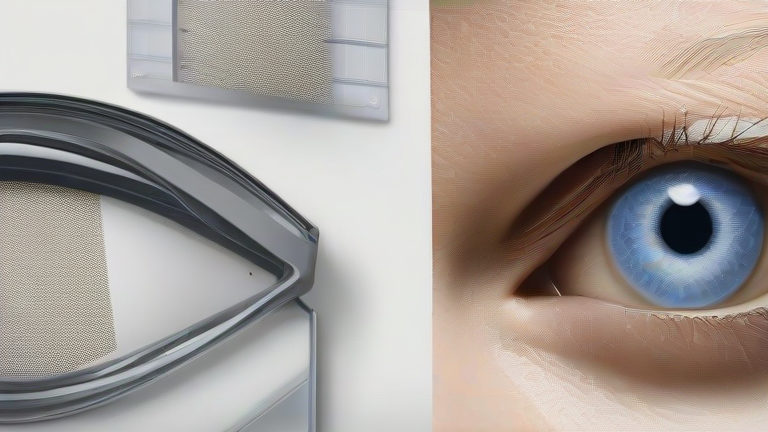
Neurotech Restores Sight to the Blind: A Breakthrough
The concept of sight restoration has long been the realm of science fiction, but recent advancements in neurotechnology have transformed this dream into a tangible medical reality. For millions of individuals suffering from degenerative retinal diseases such as retinitis pigmentosa or age-related macular degeneration, the loss of vision is often perceived as irreversible. However, a groundbreaking convergence of neuroscience, engineering, and biotechnology is now offering hope where there was once only darkness. This article explores the science behind these devices, the lifestyle adjustments required for success, and the broader implications for global health.
The Science Behind Neural Implants
At the heart of this revolution is the development of cortical visual prostheses and retinal implants. Unlike traditional glasses or contact lenses, these devices bypass damaged retinal cells entirely. Instead, they stimulate the remaining functional neurons in the retina or directly interface with the visual cortex in the brain. Recent clinical trials have demonstrated that patients with severe vision loss can distinguish shapes, navigate obstacles, and even recognize simple facial features. The technology relies on high-density electrode arrays that convert visual information captured by a camera into electrical signals, which are then transmitted to the brain. This process, known as neurostimulation, leverages the brain’s inherent plasticity, allowing it to interpret these new signals as visual data over time.
If you want to dig deeper, check out our guide on Top 10 Emerging Trends Shaping the Future in 2024.

Lifestyle Tips for Adaptation
While the technology is remarkable, successful adaptation requires significant lifestyle changes and patient commitment. First, rigorous cognitive training is essential. Patients must engage in daily exercises designed to help their brains interpret the new visual input. This includes identifying high-contrast objects, tracking moving items, and practicing spatial awareness tasks. Consistency is key; just as one builds muscle memory in the gym, neural pathways require repetitive stimulation to strengthen. Secondly, maintaining overall physical health supports neuroplasticity. A diet rich in omega-3 fatty acids, antioxidants, and leafy greens can enhance brain health, potentially accelerating the adaptation process. Regular aerobic exercise has also been shown to improve blood flow to the
Leave a Reply