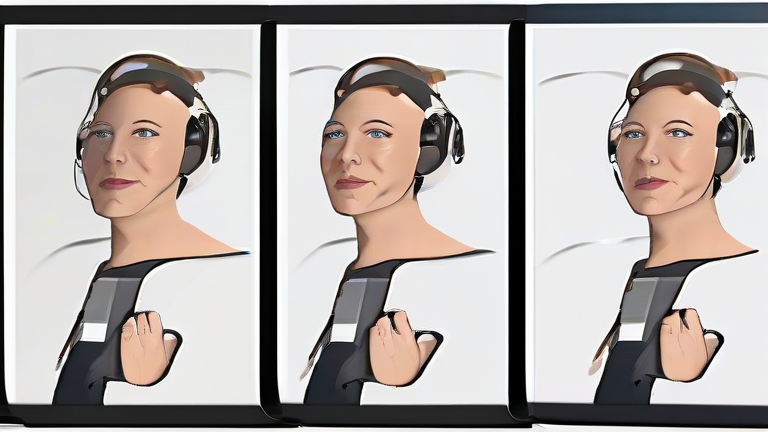
Neurotech Headsets Help Treat Clinical Depression
The landscape of mental health treatment is undergoing a profound transformation. For decades, the primary interventions for clinical depression have relied heavily on pharmaceuticals and traditional talk therapy. While effective for many, these methods often come with significant side effects, delayed onset of action, or limited efficacy for treatment-resistant cases. Enter neurotechnology. A new wave of non-invasive brain stimulation devices, specifically transcranial direct current stimulation (tDCS) and transcranial magnetic stimulation (TMS) headsets, is emerging as a potent, accessible, and patient-controlled alternative. These devices are no longer confined to sterile hospital rooms; they are becoming compact, user-friendly tools designed for home use, marking a paradigm shift in how we approach neurological wellness.
Market analysts are taking notice of this rapid expansion. The global non-invasive brain stimulation market is projected to reach a valuation of approximately $4.5 billion by 2027, growing at a compound annual growth rate (CAGR) of nearly 15%. This surge is driven not only by increasing prevalence of mental health disorders but also by substantial venture capital inflow into neurotech startups. Companies like Halo Neuroscience, Flow Neuroscience, and NeuroStar are leading the charge, offering FDA-cleared devices that claim to modulate neural activity in the dorsolateral prefrontal cortex, a brain region often associated with mood regulation. Early clinical trials suggest that consistent home use can lead to significant reductions in depressive symptoms, offering hope to millions who have not found relief through conventional means.
If you want to dig deeper, check out our guide on Remote Work Laws Reshape Urban Real Estate.
Expert Insights and Safety Protocols
Leading psychiatrists and neuroscientists emphasize that while the technology is promising, it is not a magic bullet. Dr. Elena Ross, a clinical neuroscientist at Stanford University, notes, “We are witnessing the democratization of neuromodulation. However, these devices must be viewed as adjuncts to comprehensive care, not replacements for professional supervision. The brain is complex, and individual response rates vary significantly based on anatomy, baseline neural connectivity, and the specific protocol used.”
Safety remains a paramount concern. Regulatory
Leave a Reply