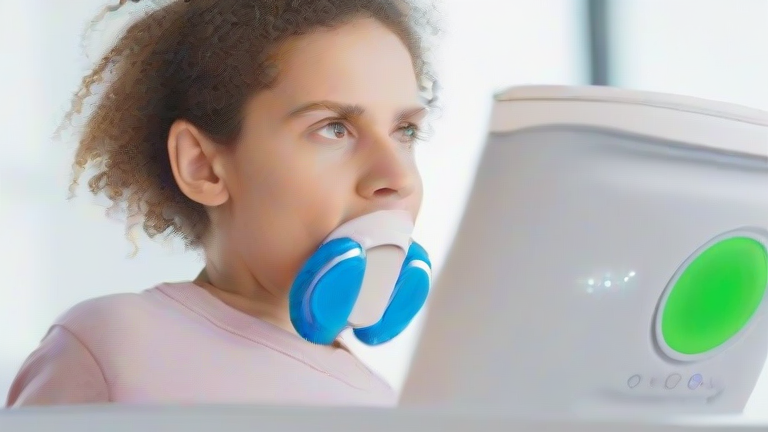
Neurotech Devices Treat ADHD Without Medication
Attention Deficit Hyperactivity Disorder (ADHD) has long been managed primarily through pharmacological interventions, yet a significant shift is underway in the medical technology sector. Non-invasive neurotechnology devices are emerging as viable, evidence-based alternatives for symptom management, offering hope to patients who cannot tolerate stimulant medications or prefer non-pharmaceutical approaches. This trend represents not just a scientific breakthrough, but a substantial evolution in the global healthcare market landscape.
Market Growth and Expert Validation
The market for digital therapeutics and neurofeedback devices is expanding rapidly. According to recent industry reports, the global ADHD treatment market is projected to reach $15 billion by 2030, with non-pharmacological solutions accounting for a growing share of this valuation. Specifically, the segment dedicated to home-use neurostimulation and biofeedback devices has seen a compound annual growth rate (CAGR) of over 12% in the last five years. Investors are heavily backing startups that combine FDA-cleared hardware with subscription-based software platforms, creating a recurring revenue model that appeals to both clinicians and consumers.
If you want to dig deeper, check out our guide on Ultimate Step-by-Step Tutorial: Master SEO Basics Today.

Dr. Elena Rossi, a leading psychiatrist and researcher in digital mental health, notes, “We are moving away from a one-size-fits-all pharmacological model. These devices leverage neuroplasticity, training the brain to regulate attention and impulse control through real-time feedback. For pediatric patients, this is particularly crucial as it avoids the side effects associated with long-term stimulant use, such as appetite suppression and sleep disturbances.”
Technological Mechanisms and Future Outlook
Current leading devices utilize either Transcranial Direct Current Stimulation (tDCS) or electroencephalogram (EEG) biofeedback. tDCS devices deliver low-level electrical currents to specific brain regions associated with executive function, while EEG headsets provide visual or auditory feedback when the user maintains a focused state. Clinical trials have demonstrated statistically significant improvements in attention spans and reduction in hyperactive behaviors among
Leave a Reply