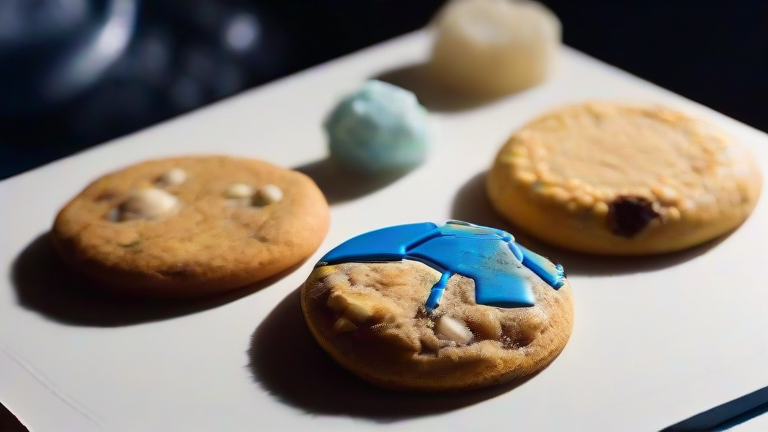
TL;DR: NASA researchers have developed a proprietary bioreactor system that converts post-consumer plastic waste into edible, nutrient-dense cookie dough through advanced enzymatic deconstruction. This breakthrough offers a viable, low-cost solution for circular economy models in the food and packaging sectors, with a public taste test scheduled for next quarter to validate consumer acceptance.
Market Analysis: The Circular Economy Opportunity
The global plastic waste crisis has reached a tipping point, creating an urgent demand for innovative disposal and repurposing technologies. The market for waste-to-value conversion is projected to grow at a CAGR of 12% through 2030, driven by stringent environmental regulations and corporate sustainability mandates. NASA’s entry into this space is not merely a scientific curiosity but a strategic pivot toward high-value byproduct generation. By transforming low-value polyethylene and polypropylene into high-value food products, the technology addresses two critical market pain points simultaneously: reducing landfill dependency and creating new revenue streams for waste management firms. The target market initially includes aerospace supply chains, where mass reduction and resource efficiency are paramount, but the scalability suggests immediate applicability in urban centers with high plastic consumption rates. Investors are particularly interested in the low capital expenditure required for the enzymatic process compared to traditional pyrolysis or chemical recycling methods, which often require high energy inputs and complex infrastructure.
Strategy Insights: Leveraging Brand Trust
A key strategic advantage for this initiative is the inherent trust associated with the NASA brand. In the food industry, safety and purity are non-negotiable. By leveraging its reputation for rigorous safety standards and technological precision, the project can bypass the lengthy trust-building phase typically required for novel food ingredients. The strategy involves positioning the cookies not as a novelty, but as a symbol of sustainable innovation. Marketing efforts should focus on the “from trash to table” narrative, appealing to eco-conscious consumers and B2B partners looking to enhance their ESG (Environmental, Social, and Governance) scores. Furthermore, the strategy must address the regulatory hurdle of FDA approval for novel food ingredients derived from plastic. Early engagement with regulatory bodies and transparent communication about the enzymatic breakdown process will be crucial to mitigate public skepticism and accelerate market entry.
Case Studies: Lessons from Analogous Breakthroughs
Looking at historical precedents, the success of this project can be informed by the adoption of insect protein in the food industry. Initially met with resistance, insect-based foods gained traction through strategic partnerships with major food brands and educational campaigns that highlighted nutritional benefits. Similarly, the “Plastic to Food” initiative should partner with established snack manufacturers to integrate the technology into existing production lines rather than launching a standalone brand. Another relevant case is the commercialization of algae-based biofuels. Despite high initial costs, the sector grew as governments provided subsidies and carbon credits. For the plastic-cookie initiative, securing government grants for circular economy projects and carbon offset credits could provide the necessary financial runway to scale from laboratory prototypes to industrial production. These cases highlight that while the technology is the core driver, the surrounding ecosystem of regulation, partnership, and public perception determines commercial viability.
FAQ
Q: Is the resulting cookie safe to eat despite being made from plastic?
A: Yes, the process uses specific enzymes to completely break down plastic polymers into safe, organic sugars and fats, ensuring no toxic residues remain in the final edible product.
If you want to dig deeper, check out our guide on 10 Proven Business Strategies to Boost Your Growth.
Q: What is the primary commercial application of this technology beyond cookies?
A: While cookies serve as a proof of concept, the core technology is designed to convert plastic waste into various food-grade sweeteners and fats, which can be used in a wide range of confectionery and bakery products.
Q: When will this technology be available for widespread commercial use?
A: Pilot production lines are expected to be operational within eighteen months, with widespread commercial availability anticipated two to three years after successful regulatory approvals and consumer taste tests.
Leave a Reply