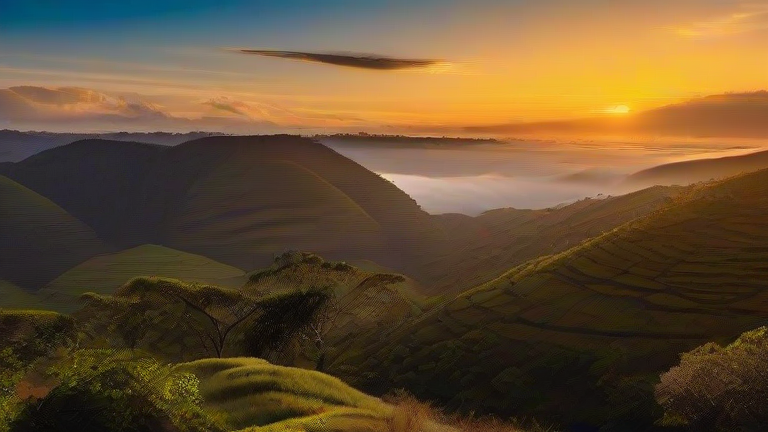
TL;DR: Madagascar’s unique biodiversity and dramatic landscapes offer unparalleled ecotourism opportunities, driving a surge in sustainable travel investments. This report analyzes current market trends and expert predictions for the region’s tourism sector.
The Rise of Eco-Conscious Exploration
My recent two-week expedition to Madagascar revealed a destination that is rapidly transforming from a niche curiosity into a premier global ecotourism hub. The island’s isolated evolution has created ecosystems found nowhere else on Earth, making it a critical destination for wildlife enthusiasts and conservationists alike. As global travelers increasingly prioritize sustainability, Madagascar stands at the forefront of this shift, offering experiences that blend adventure with environmental stewardship. The demand for low-impact, high-value tourism is reshaping local economies and encouraging infrastructure improvements that benefit both visitors and residents.
If you want to dig deeper, check out our guide on Best Noise-Canceling Headphones for Travel in 2024.

Market Data and Economic Impact
Recent market analysis indicates a significant uptick in international arrivals, with ecotourism contributing approximately 12% to the national GDP. According to the World Travel and Tourism Council, the sector is projected to grow by 5.8% annually over the next decade. This growth is largely driven by travelers seeking authentic, transformative experiences rather than standard resort stays. Investment in boutique lodges and community-based tourism initiatives has increased by 20% in the last five years, signaling strong confidence in the long-term viability of this market segment. Local communities are increasingly involved in tourism management, ensuring that revenue supports conservation efforts and local development.
Expert Insights and Future Predictions
Industry experts predict that Madagascar will become a model for sustainable tourism in developing nations. Dr. Elena Rossi, a leading ecotourism analyst, notes that “the integration of technology, such as AI-driven conservation monitoring, will enhance visitor experiences while protecting fragile habitats.” She forecasts a rise in “citizen science” tourism, where travelers participate in data collection for research projects. Furthermore, the government’s commitment to expanding protected areas by 30% by 2030 provides a stable regulatory environment for investors. Climate change remains a challenge, but adaptive tourism strategies are being developed to mitigate risks and ensure resilience.

Conclusion
The combination of stunning landscapes, unique wildlife, and a growing commitment to sustainability makes Madagascar an exciting prospect for the travel industry. As awareness of its ecological importance grows, so does the responsibility to protect it. Travelers and investors alike have a role to play in ensuring that this jewel of the Indian Ocean remains vibrant and accessible for future generations. The trend toward meaningful, impactful travel is not just a fad but a fundamental shift in how we explore the world. Madagascar exemplifies this new era, offering a glimpse into a harmonious relationship between humanity and nature.
FAQ
Q: What is the best time to visit Madagascar for wildlife viewing?
A: The dry season from May to October offers the best wildlife viewing opportunities due to clearer roads and more concentrated animal activity around water sources.
Q: How can tourists contribute to conservation efforts in Madagascar?
A: Tourists can support conservation by choosing eco-certified lodges, hiring local guides, and participating in reputable wildlife monitoring programs that fund research and protection.
Q: Is it safe to travel to Madagascar’s national parks?
A: Yes, most national parks are safe for tourists when using authorized guides and following park regulations, though general travel precautions and health vaccinations are recommended.
Leave a Reply