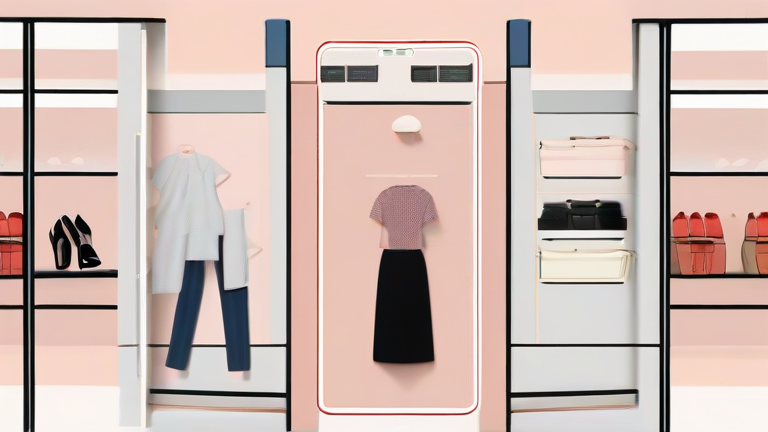
Metaverse Commerce: How AR Shopping Is Transforming Retail
The retail landscape is undergoing a seismic shift, driven by the convergence of augmented reality (AR) and the broader metaverse concept. This technological evolution is not merely a novelty; it is redefining consumer engagement, reducing return rates, and creating immersive brand experiences that bridge the gap between digital convenience and physical tangibility. As businesses strive for omnichannel supremacy, AR shopping has emerged as a critical pillar of modern e-commerce strategy, offering unprecedented value to both retailers and consumers.
From a market analysis perspective, the growth trajectory of AR in retail is staggering. Recent industry reports indicate that the global AR in retail market is projected to reach significant valuations by 2030, driven by increased smartphone penetration and consumer demand for interactive shopping experiences. The data suggests that shoppers who engage with AR features are up to 94% more likely to convert than those who do not. Furthermore, the reduction in product returns, which currently cost the industry billions annually, provides a compelling economic argument for adoption. By allowing customers to visualize products in their own space or on their own bodies, retailers can mitigate the uncertainty that often leads to purchase hesitation and subsequent returns.
If you want to dig deeper, check out our guide on Biohacking Supplements: Stricter Regulations Explained.
Strategic implementation requires more than just technology integration; it demands a customer-centric approach. Successful retailers are moving beyond simple product placement to create narrative-driven experiences. For instance, furniture retailers are using AR to help customers visualize how sofas fit in their living rooms, while fashion brands are offering virtual try-ons for sunglasses and makeup. The key insight here is personalization. Brands that leverage AR to tailor the shopping journey to individual preferences see higher customer satisfaction and loyalty. It is essential to ensure that the AR experience is seamless, accessible via web browsers without requiring heavy app downloads, and optimized for mobile devices.

Case studies from leading companies illustrate the tangible benefits of this transformation. Major home improvement retailers have reported a 40% increase in conversion rates after implementing AR tools that allow users to place virtual furniture in their homes. Similarly, a leading beauty brand saw a 25% boost in sales after introducing a virtual try-on feature for lipsticks. These examples highlight how AR reduces friction in the
Leave a Reply