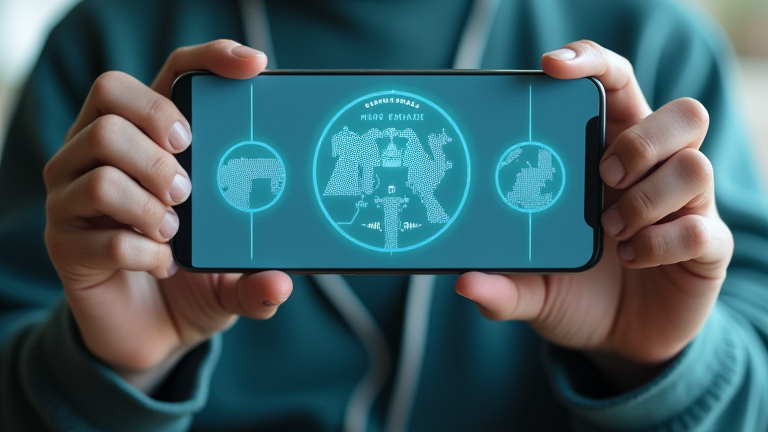
Mental Health Apps: Integrating with Wearable Data for Better Care
The intersection of digital psychology and biometric technology marks a pivotal shift in healthcare. For years, mental health applications relied heavily on self-reported data, asking users to manually log their mood, sleep patterns, and stress levels. While valuable, this method is prone to recall bias and lacks objective physiological context. However, the latest generation of mental health platforms is now seamlessly integrating with wearable devices like smartwatches and fitness trackers. This convergence allows for a more holistic, data-driven approach to psychological well-being, offering real-time insights that were previously impossible to obtain without clinical intervention.

Recent developments in this space focus on the synchronization of heart rate variability (HRV), galvanic skin response, and sleep architecture. Advanced algorithms now analyze these biometric markers to detect subtle signs of anxiety or depressive episodes before the user consciously recognizes them. For instance, a sudden drop in HRV combined with increased resting heart rate can trigger a gentle notification, suggesting a breathing exercise or a mindfulness session. This proactive approach transforms mental health care from reactive crisis management to preventive daily maintenance. The technology behind this integration relies on sophisticated machine learning models trained on vast datasets, ensuring that the insights provided are not only immediate but also personalized to the individual’s unique physiological baseline.
If you want to dig deeper, check out our guide on Global Digital Currency Adoption Surges: Key Trends.
From a technical specification standpoint, successful integration requires robust API connectivity and low-latency data processing. Leading apps now support Bluetooth Low Energy (BLE) connections to sync data from major wearable manufacturers, including Apple, Garmin, and Fitbit. The data packets transmitted include millisecond-level heart rate data, movement intensity, and ambient light levels, which help contextualize the user’s environment. Security and privacy remain paramount, with end-to-end encryption ensuring that sensitive biometric and psychological data remains confidential. Compliance with regulations like HIPAA and GDPR is standard, providing users with the assurance that their intimate health information is protected against breaches.
The industry impact of this trend is profound. Healthcare providers are beginning to prescribe these integrated apps as part of treatment plans, viewing the objective data as complementary to traditional therapy sessions. This shift is reducing the stigma associated with
Leave a Reply