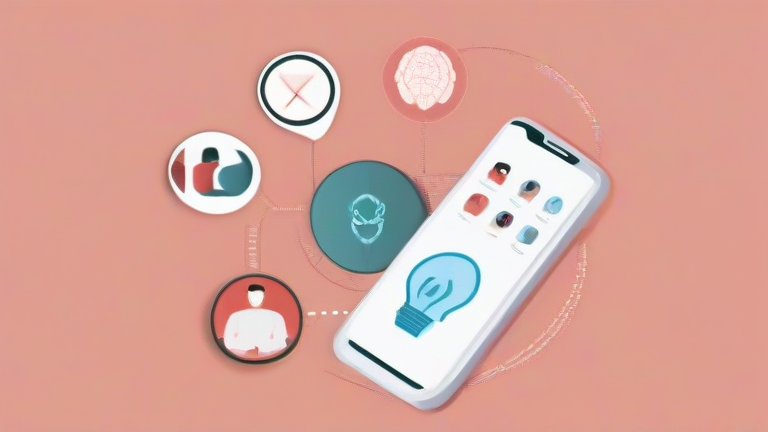
Mental Health Apps Integrating Real-Time Biometric Data
In the modern era of personal wellness, the intersection of technology and mindfulness has created a profound shift in how we approach mental health. No longer confined to static journals or scheduled therapy sessions, today’s digital solutions offer a dynamic, real-time partnership with our bodies. Imagine a lifestyle where your smartphone not only tracks your steps but also senses your rising anxiety before you even consciously recognize the stress. This is the promise of mental health applications integrating real-time biometric data, a trend that is reshaping personal growth and daily living.

Consider the traveler who finds solace in new cultures but struggles with the inherent stress of navigating unfamiliar environments. Modern apps can detect spikes in heart rate variability and cortisol levels through wearable integrations. When these biometric signals indicate heightened anxiety, the app gently suggests a mindfulness exercise or recommends a quiet café nearby, blending travel logistics with emotional support. This seamless integration allows individuals to maintain their mental equilibrium while exploring the world, turning potential stressors into opportunities for grounded discovery.
If you want to dig deeper, check out our guide on Ultimate Step-by-Step Tutorial: Master SEO Basics Today.
Similarly, in the realm of food and culture, the relationship between diet and mood is increasingly quantifiable. Apps that monitor glucose levels alongside emotional states can provide immediate feedback on how specific meals affect mental clarity. For instance, after a heavy, carb-rich lunch, an individual might experience a subsequent dip in energy and focus. The app can suggest a short walk or a herbal tea break, helping to stabilize mood through culturally relevant dietary adjustments. This approach transforms eating from a passive act into an active component of mental hygiene.
For those dedicated to personal growth, this technology offers unprecedented self-awareness. By visualizing the correlation between physical metrics and emotional states, users can identify patterns that were previously invisible. Over time, this data-driven insight fosters a deeper understanding of one’s triggers and resilience factors. The goal is not to obsess over numbers, but to cultivate a harmonious balance between mind and body. As these technologies evolve, they promise a future where mental health is
Leave a Reply