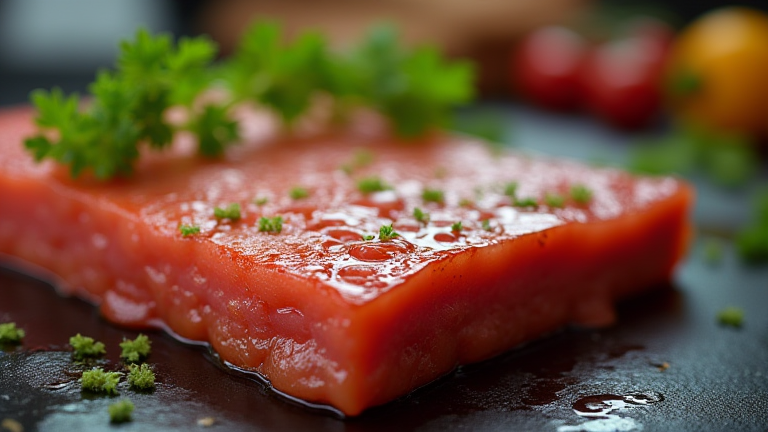
Lab-Grown Meat Gains Traction in Mainstream Restaurants
For decades, the concept of laboratory-grown meat existed primarily in the realm of science fiction and high-end culinary experimentation. However, the narrative is shifting rapidly. Today, cellular agriculture is transitioning from novelty to necessity, with major restaurant chains and independent fine dining establishments increasingly integrating cultivated protein into their menus. This movement signals a pivotal moment in the food industry, where sustainability, ethical considerations, and culinary innovation converge to redefine consumer expectations.

Recent market analysis indicates that the global cultivated meat market is projected to reach $20 billion by 2030, driven by a 25% year-over-year growth in consumer interest. According to data from the Good Food Institute, over 150 restaurants across the United States, Europe, and Asia have now served cultivated products, ranging from chicken to duck. This expansion is not merely symbolic; it represents a strategic response to growing consumer demand for transparent sourcing and reduced environmental impact. The carbon footprint of lab-grown meat is estimated to be up to 90% lower than that of conventional livestock farming, a statistic that resonates deeply with eco-conscious diners.
If you want to dig deeper, check out our guide on Remote Work Evolves Into Hybrid Work Mandates.
Industry experts emphasize that the primary barrier has always been cost and scalability, but these hurdles are crumbling. “We are witnessing a democratization of cellular agriculture,” says Dr. Elena Rostova, a leading analyst in food technology. “As production facilities scale, the price per kilogram is dropping exponentially. It is no longer a luxury item but a viable alternative that competes on flavor and texture, not just ethics.” Chefs are also embracing this shift, noting that cultivated meat offers consistent quality without the variability often associated with traditional butchery.
Looking ahead, the trajectory suggests a mainstream adoption within the next five years. Regulatory approvals in key markets like the US and Singapore are paving the way for broader distribution. Future predictions indicate that by 2027, cultivated meat will account for 10% of the premium burger market in major metropolitan areas. Furthermore, partnerships between tech startups and legacy food giants
Leave a Reply