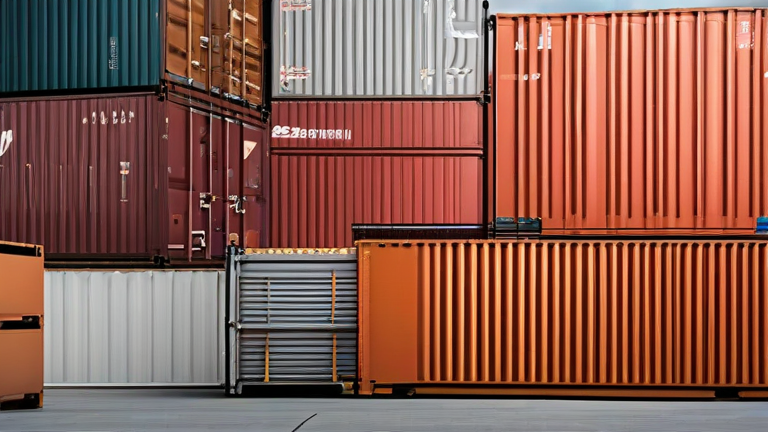
TL;DR: International shipping has evolved into a sophisticated, tech-driven ecosystem where speed and reliability are no longer optional luxuries but baseline expectations for global commerce. By leveraging AI-driven route optimization, real-time visibility platforms, and diversified logistics networks, businesses can now navigate complex geopolitical and infrastructural challenges to ensure their goods arrive on time, every time.
The New Era of Global Logistics
The global supply chain landscape has undergone a seismic shift in recent years. No longer defined solely by low-cost labor and basic freight movement, the international shipping industry is now driven by data, agility, and resilience. Consumers expect next-day or same-day delivery across borders, a demand that forces carriers and freight forwarders to innovate rapidly. According to recent market analysis, the global freight forwarding market is projected to reach nearly $1.6 trillion by 2025, growing at a compound annual growth rate of over 5%. This expansion is not merely about volume; it is about the sophistication of services provided. Companies that fail to integrate advanced digital tools risk losing market share to competitors who offer seamless, transparent, and rapid delivery solutions.
If you want to dig deeper, check out our guide on Top 7 Health Myths Debunked: What You Need to Know for Bette.
Market Dynamics and Expert Insights
Industry experts emphasize that the post-pandemic era has permanently altered consumer behavior. Dr. Elena Ross, a leading supply chain analyst, notes, “The bottleneck is no longer just physical capacity; it is information symmetry. Shippers who have real-time visibility into their cargo’s location, temperature, and estimated time of arrival are significantly more likely to maintain customer trust and operational efficiency.” This insight underscores the critical role of digitalization. Technologies such as blockchain for secure documentation, Internet of Things (IoT) sensors for monitoring cargo conditions, and artificial intelligence for predictive analytics are becoming standard rather than novel features.
Furthermore, the geopolitical landscape adds another layer of complexity. Trade tensions, regulatory changes, and infrastructure bottlenecks require logistics providers to be agile. Diversifying shipping routes and establishing regional hubs are common strategies employed by major carriers to mitigate risks. For instance, many companies are now utilizing nearshoring strategies to reduce dependency on long-haul trans-Pacific routes, thereby enhancing speed and reliability. This strategic shift is supported by government incentives aimed at strengthening domestic manufacturing capabilities, creating a more balanced global trade network.
Future Predictions and Strategic Outlook
Looking ahead, the integration of autonomous vehicles and drones in last-mile delivery is expected to revolutionize the final leg of international shipping. While still in early adoption phases, pilot programs in various countries suggest that automation will significantly reduce delivery times and costs. Additionally, the push for sustainability is reshaping industry practices. Green shipping initiatives, including the adoption of alternative fuels and carbon offset programs, are becoming integral to corporate social responsibility strategies. Shippers who prioritize eco-friendly logistics will likely gain a competitive edge as consumers become more environmentally conscious.
Moreover, the rise of e-commerce continues to drive demand for faster delivery options. Cross-border e-commerce is expected to account for a substantial portion of global retail sales in the coming years. To meet this demand, logistics providers must invest in scalable infrastructure and robust digital platforms. The future of international shipping lies in the ability to adapt quickly to changing market conditions, leverage technology for efficiency, and maintain a strong focus on customer experience. As the industry continues to evolve, those who embrace innovation and prioritize reliability will thrive in this dynamic global marketplace.
FAQ
Q: How long does international shipping typically take?
A: Transit times vary significantly by mode of transport, ranging from 15-40 days for ocean freight to 3-7 days for air freight, depending on origin, destination, and customs clearance efficiency.
Q: What factors most affect shipping reliability?
A: Key factors include customs documentation accuracy, geopolitical stability, carrier capacity, weather conditions, and the efficiency of last-mile delivery networks in the destination country.
Q: Can I track my international shipment in real-time?
A: Yes, most major carriers and freight forwarders now offer real-time tracking via digital platforms, providing updates on location, estimated arrival, and potential delays throughout the journey.Related Articles
Leave a Reply