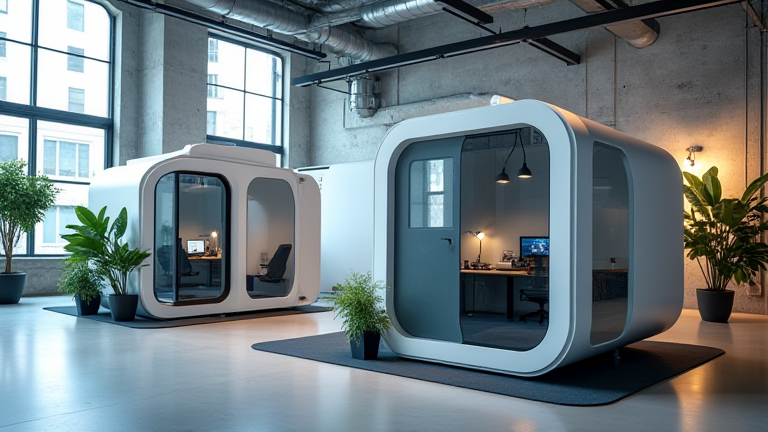
TL;DR: The future of hybrid work is shifting from fixed offices to temporary, curated “project pods” in desirable locations, allowing teams to bond through shared cultural experiences. This model transforms remote collaboration into an immersive lifestyle experience that boosts creativity and retention by integrating travel and local immersion into the workflow.
The End of the Static Desk
For the past three years, the conversation around remote work has focused on efficiency, digital tools, and the battle over return-to-office mandates. However, a quieter, more profound shift is occurring. We are moving beyond the binary of “home” versus “office” toward a new paradigm: location-agnostic project pods. This concept involves small, cross-functional teams gathering for two to four weeks in a specific, culturally rich location to work on a high-priority initiative. It is not a retreat, nor is it a conference; it is a focused sprint embedded within a lifestyle experience.
If you want to dig deeper, check out our guide on Synthetic Biology: Creating Custom, Sustainable Textiles.
Work as a Cultural Immersion
Imagine a product development team spending three weeks in Kyoto, not to sit in a sterile hotel conference room, but to live in a traditional machiya townhouse. Their workday ends at 4 PM, allowing them to explore local tea houses, visit temples, and engage with the community. This approach leverages the psychological benefits of novelty. When the brain is stimulated by new environments, sensory inputs, and cultural interactions, it often breaks out of rigid patterns of thought. The result is not just a finished project, but a team that has shared a profound human experience.
The Food and Connection Factor
Food serves as the primary social lubricant in these pods. In a traditional office, lunch is often a solitary affair of salads eaten at desks. In a location-agnostic pod, the entire team might spend an afternoon learning to make pasta in a Tuscan farmhouse or mastering sushi rolling in Tokyo. These shared activities create a sense of camaraderie that is difficult to replicate over Zoom. The shared memory of a difficult hike in the Alps or the taste of street tacos in Mexico City becomes a binding agent for the team. This deepens interpersonal relationships, leading to higher trust and smoother communication when the team returns to their distributed, asynchronous modes of work.
Personal Growth Through Travel
For the individual, this model offers a unique opportunity for personal growth. Travel forces us out of our comfort zones, requiring us to navigate new languages, currencies, and social norms. This adaptability is a crucial soft skill in today’s globalized workplace. By integrating work with exploration, employees feel that their professional development is intertwined with their personal enrichment. They are not just completing a ticket in Jira; they are expanding their worldview. This sense of purpose and adventure combats the burnout and isolation that have plagued remote workers since 2020.
Implementation Challenges
Of course, this model is not without its hurdles. Cost is a significant factor; flying a team to a destination requires a substantial budget. Companies must justify this expense by tying it to measurable outcomes such as innovation rates, employee retention, and client satisfaction. Additionally, logistics must be seamless. The workspace must be fully equipped with high-speed internet, ergonomic furniture, and collaboration tools. The transition between work and leisure must be clearly defined to prevent “always-on” culture, where the lack of a physical office boundary leads to overwork.
FAQ
Q: How do companies ensure productivity doesn’t suffer during these trips?
A: Productivity is maintained by setting clear, concise goals for the pod period. Teams use dedicated work hours in the morning and keep afternoons free for exploration, ensuring that deep work occurs in a focused environment while still allowing for rest and cultural engagement.
Q: Is this model suitable for all types of projects?
A: It works best for creative, strategic, or problem-solving projects that benefit from face-to-face interaction and novelty. Routine maintenance tasks or highly sensitive data work may be better suited to traditional remote or office settings due to security and efficiency constraints.
Q: How do we
Leave a Reply