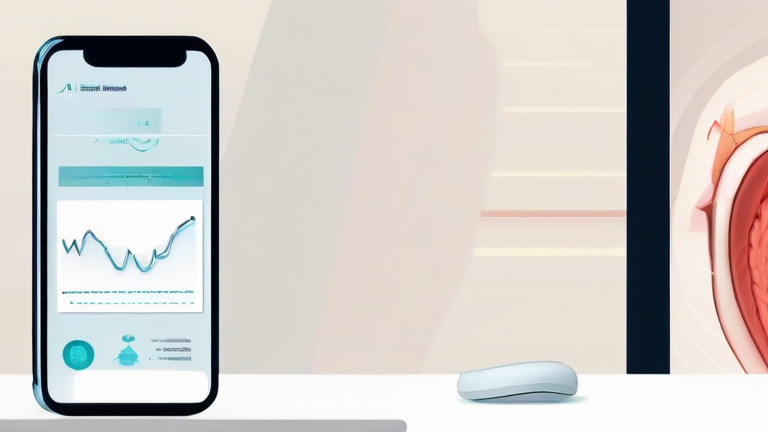
How Wearable Health Monitors Predict Strokes Early
The convergence of advanced biotechnology and consumer electronics has revolutionized preventative healthcare, particularly in the detection of cerebrovascular events. Wearable health monitors are no longer just fitness trackers; they are sophisticated diagnostic tools capable of identifying early warning signs of strokes, such as atrial fibrillation (AFib) and irregular heart rhythms, long before a catastrophic event occurs. This shift represents a monumental change in the medical device landscape, moving from reactive treatment to proactive prevention.
Market Analysis: A Booming Industry
The global market for wearable medical devices is experiencing exponential growth, driven by an aging population and the rising prevalence of chronic cardiovascular diseases. According to recent industry reports, the market is projected to reach significant valuation milestones by 2030. Key drivers include increased consumer awareness of health metrics, insurance incentives for preventive care, and advancements in sensor technology. Investors are heavily funneling capital into startups and established tech giants alike, recognizing that stroke prevention is a multi-billion dollar opportunity. The integration of AI algorithms into these devices allows for real-time data processing, making them indispensable tools for modern cardiologists and primary care physicians.
If you want to dig deeper, check out our guide on 10 Simple Lifestyle Changes to Boost Your Daily Happiness an.
Strategic Insights for Manufacturers
For technology companies entering this space, success hinges on data accuracy and user trust. Strategies must focus on reducing false positives, which can cause unnecessary anxiety and erode user confidence. Collaboration with healthcare providers is crucial to validate clinical outcomes and integrate wearable data into Electronic Health Records (EHR). Furthermore, regulatory compliance with bodies like the FDA and CE is non-negotiable. Companies that prioritize seamless user experience and robust cybersecurity protocols will likely capture the largest market share. The strategic imperative is to create an ecosystem where data flows securely from the wrist to the doctor’s dashboard, enabling timely interventions.

Case Studies in Innovation
Leading brands have already demonstrated the efficacy of this technology. For instance, a major smartwatch manufacturer reported that its heart rate monitoring algorithm detected AFib in thousands of users, leading to medical consultations that prevented potential strokes. Another case involves a specialized medical-grade wristband used in hospital
Leave a Reply