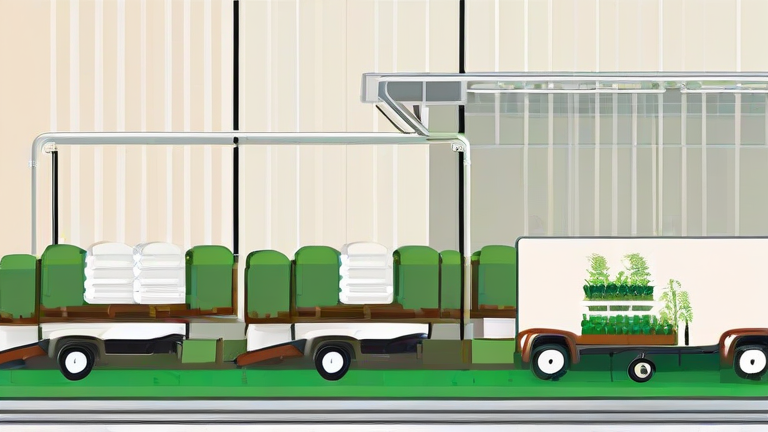
How Urban Vertical Farms Cut Food Logistics Costs
In the heart of bustling metropolises, where concrete skyscrapers pierce the clouds and traffic jams stretch for miles, a quiet revolution is taking root. It is not happening in the sprawling fields of the countryside, but rather in repurposed warehouses, abandoned factories, and even basement levels of commercial buildings. These are urban vertical farms, and they are fundamentally reshaping the way we think about food, logistics, and our connection to what we eat. For the modern urbanite, this shift offers more than just fresh produce; it offers a glimpse into a future where sustainability and convenience intersect seamlessly.

The traditional food supply chain is a marvel of global engineering, but it is also a source of significant inefficiency and environmental strain. On average, produce travels over 1,500 miles from farm to plate in the United States alone. This “food miles” concept accounts for a substantial portion of carbon emissions, spoilage, and cost. When you buy a strawberry in New York in January, it likely traveled from California or Mexico, enduring days in refrigerated trucks, only to arrive at your local grocery store with a fraction of its original flavor and nutritional value. Urban vertical farms disrupt this model by bringing production directly into the consumption zone. By eliminating the need for long-haul transportation, these farms drastically reduce the logistical overhead associated with fuel, cold storage, and warehousing.
If you want to dig deeper, check out our guide on 7 Simple Lifestyle Hacks to Boost Your Daily Happiness.
From a financial perspective, the reduction in logistics costs translates to tangible benefits for both producers and consumers. While the initial setup costs for high-tech vertical farming systems can be high, the operational savings are substantial. Water usage is reduced by up to 95% compared to traditional agriculture, and the use of controlled-environment agriculture (CEA) means that pesticides are largely unnecessary. Furthermore, the predictability of indoor farming allows for year-round production, regardless of external weather conditions. This stability protects against the price volatility often seen in traditional agriculture due to droughts, floods, or other climate-related disruptions. For city dwellers, this means access to consistently priced, high-quality greens without the
Leave a Reply