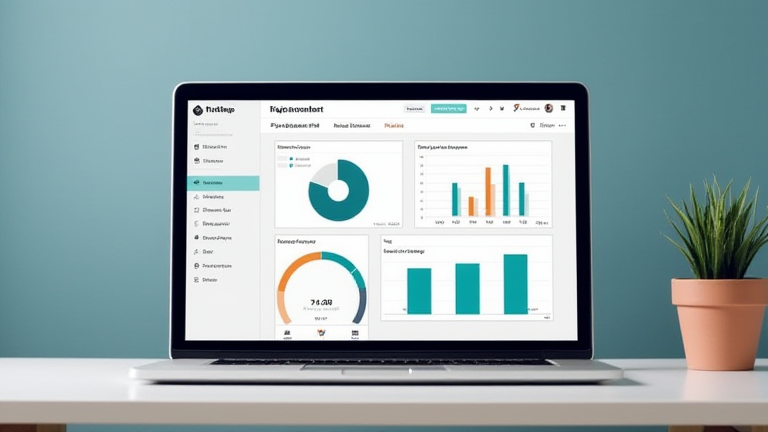
TL;DR: Choose project management software by prioritizing ease of adoption and specific feature alignment over comprehensive feature lists. The best solution is one that integrates seamlessly into your current workflow without overwhelming your team with complexity.
The Evolving Landscape of Small Business Tools
The market for project management software has exploded in the last decade, shifting from rigid, enterprise-heavy tools to agile, user-centric platforms. For small businesses, this abundance of choice is both a blessing and a curse. Market analysis indicates that the global project management software market is projected to reach significant valuations by 2030, driven largely by the remote work revolution. However, small enterprises often suffer from “tool fatigue,” where the cost of implementation and training outweighs the efficiency gains. Understanding this dynamic is crucial; you are not just buying software, you are investing in a cultural shift toward transparency and accountability.
If you want to dig deeper, check out our guide on Stop the Fear It Will Stop: 5 Tips to Keep Going.
Strategic Selection Criteria
When evaluating options, strategy must precede feature lists. Many small business owners make the mistake of selecting tools used by Fortune 500 companies, which are often over-engineered for their needs. A strategic approach involves mapping your current workflow bottlenecks. Are you struggling with communication silos, deadline misses, or resource allocation? Your answer dictates your choice. For instance, if visual planning is key, Kanban boards should be a priority. If strict deadline adherence is vital, Gantt charts become non-negotiable. Furthermore, consider the total cost of ownership, including onboarding time. Software that requires weeks of training is a liability for a small team that needs immediate ROI.
Real-World Applications and Case Studies
Consider the case of “DesignFlow,” a mid-sized graphic design agency. Initially, they used a complex enterprise solution that slowed down their creative process. By switching to a streamlined, visual-first platform, they reduced project onboarding time by 40% and improved client satisfaction scores. The key was simplicity. Conversely, “TechStart,” a software development startup, needed robust integration capabilities. They chose a tool that offered deep API connectivity with their coding repositories, allowing for seamless tracking of bug fixes alongside creative tasks. These case studies highlight that there is no “one size fits all.” DesignFlow needed aesthetics and speed; TechStart needed technical depth. Your business model will dictate which path is right for you.
Implementation and Adoption
Choosing the software is only half the battle. Successful implementation requires a phased rollout. Start with a pilot group within your team to identify friction points. Gather feedback and adjust configurations before a full-scale launch. Training should be continuous, not a one-time event. Encourage a culture where the software is seen as a helper, not a overseer. When teams feel empowered by the tool rather than monitored by it, adoption rates skyrocket, and the intended productivity benefits are realized.
FAQ
Q: How much does good project management software cost for small businesses?
A: Costs vary widely, ranging from free tiers for very small teams to $10-$20 per user per month for advanced features, so always check for scalable pricing models.
Q: Can I switch project management software later if my business grows?
A: Yes, most modern platforms offer data export features, though migrating complex project histories can be time-consuming and may require professional assistance.
Q: What is the most important feature to look for in a small business tool?
A: Ease of use and intuitive interface are critical, as high complexity often leads to low adoption rates and wasted investment in small, agile teams.
Leave a Reply