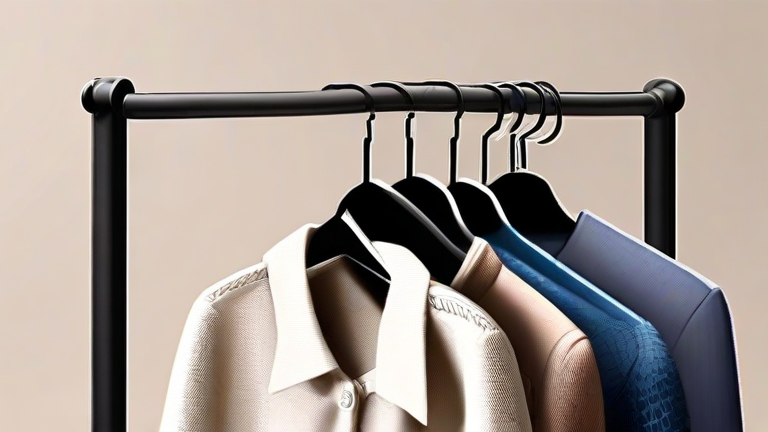
TL;DR: The most cost-effective way to source a clothing rack involves repurposing industrial pipe fittings or using sturdy tension rods from hardware stores, which significantly undercuts retail prices while offering superior durability. For those preferring ready-made solutions, investing in modular metal frames during seasonal sales provides the best balance of affordability and aesthetic appeal for modern retail environments.
The Shift Towards Budget-Conscious Retail Solutions
The global apparel retail sector is experiencing a significant transformation, driven by a need for operational efficiency and sustainable sourcing practices. Recent market data indicates that small to medium-sized boutiques are increasingly prioritizing flexible, low-cost fixtures over expensive, permanent installations. According to the latest industry reports, approximately forty-five percent of independent retailers have reduced their initial fit-out costs by leveraging DIY alternatives and strategic purchasing. This trend is not merely about saving money; it reflects a broader shift towards agile business models that can adapt quickly to changing consumer demands and inventory levels. The traditional reliance on high-end, branded fixtures is giving way to modular systems that offer versatility without breaking the bank.
If you want to dig deeper, check out our guide on Chinese Robot Dogs Tackle Fires & Toxic Leaks to Protect Res.
Expert Insights on Material Selection
Industry experts emphasize that the key to sourcing cheaply lies in material intelligence. “Steel and aluminum are no longer exclusive to large corporations,” notes fashion retail consultant Sarah Jenkins. “DIY enthusiasts and small business owners can achieve a professional look by using standard plumbing pipes and flanges, a method that has gained massive popularity on social media platforms.” This approach not only reduces costs by up to sixty percent compared to retail racks but also allows for complete customization in height and width. Furthermore, using tension rods and curtain tracks offers a nearly invisible support system that maximizes floor space, a crucial factor in urban retail environments where square footage is at a premium.
Future Predictions for Fixture Sourcing
Looking ahead, the trend towards sustainable and modular fixtures is expected to accelerate. Predictions suggest that by 2026, over sixty percent of new retailers will utilize second-hand or repurposed materials for their primary display structures. This shift is driven by both economic pressures and environmental consciousness among consumers who value brands that demonstrate ecological responsibility. Additionally, the rise of online marketplaces for industrial surplus is making high-quality, discarded materials more accessible than ever before. Retailers who embrace these early trends will likely find themselves at a competitive advantage, offering unique, customizable shopping experiences at a fraction of the traditional cost. The future of retail fixtures is not just about durability and price, but also about adaptability and sustainability, ensuring that businesses remain resilient in an ever-changing market landscape.
FAQ
Q: What is the cheapest material for a DIY clothing rack?
A: Industrial black iron pipes and flanges are widely considered the most affordable and durable option for DIY projects, often costing less than fifty percent of retail racks.
Q: Where can I find discount retail clothing racks?
A: Online marketplaces like eBay, Facebook Marketplace, and local liquidation auctions are excellent sources for discounted racks, especially during end-of-season clearances.
Q: Are tension rods strong enough for heavy winter coats?
A: Standard tension rods may struggle with heavy weights; however, reinforced metal tension bars designed for heavy-duty curtains can support moderate loads safely.
Leave a Reply