TL;DR: Cement plants remove CO₂ from the atmosphere by integrating advanced carbon capture technologies that trap emissions during clinker production and utilizing mineral carbonation processes that chemically bind carbon dioxide into stable solid forms. These innovative methods transform a historically high-emission industry into a potential carbon sink, significantly reducing the global carbon footprint of construction materials while maintaining structural integrity and production efficiency.
The Carbon Capture Revolution in Heavy Industry
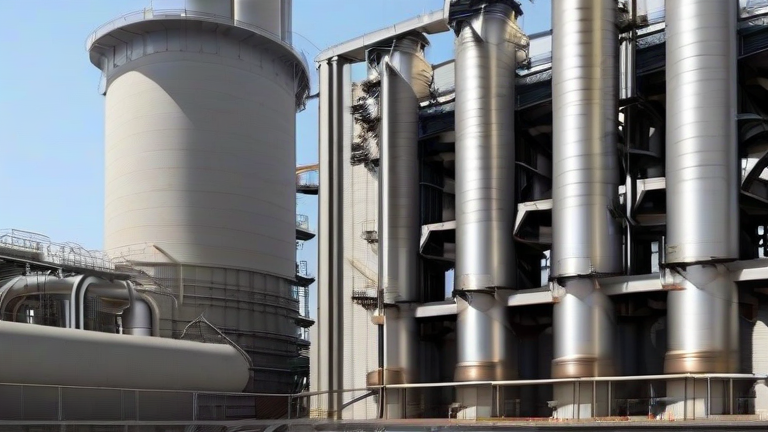
The cement industry is responsible for approximately eight percent of global carbon dioxide emissions, primarily due to the chemical process of calcination and the high temperatures required for clinker production. However, recent technological breakthroughs are turning this narrative on its head. Modern cement facilities are no longer just passive contributors to atmospheric warming; they are becoming active participants in carbon removal strategies. By deploying next-generation carbon capture, utilization, and storage (CCUS) systems, these plants are capturing CO₂ before it enters the atmosphere and reusing it within their own production cycles or storing it permanently underground.
If you want to dig deeper, check out our guide on Top 10 Tech Trends Shaping 2024: What You Need to Know.
Technical Specifications and Latest Developments
Latest developments focus on amine-based scrubbing technologies and oxy-fuel combustion systems. Amine scrubbing involves passing flue gases through a liquid solvent that selectively absorbs CO₂, allowing for high-purity capture rates exceeding ninety-five percent. Meanwhile, oxy-fuel combustion replaces air with pure oxygen, resulting in a flue gas stream composed mainly of CO₂ and water vapor, which simplifies separation. Some pioneering plants have integrated direct air capture units, pulling CO₂ directly from ambient air to offset residual emissions. These systems operate at scale, with pilot projects demonstrating the ability to capture thousands of tons of CO₂ annually. The captured carbon is often mineralized, turning it into stable carbonate minerals that can be used as aggregate in concrete, effectively locking the carbon away for millennia.
Industry Impact and Economic Viability
The integration of these technologies has profound implications for the construction sector. By producing low-carbon cement, manufacturers can meet increasingly stringent environmental regulations and appeal to green building certifications like LEED and BREEAM. Although the initial capital expenditure for CCUS infrastructure is significant, economies of scale and evolving carbon pricing mechanisms are improving the economic case. Companies are finding that carbon-negative cement commands a premium in the market, driving investment in research and development. This shift not only mitigates climate change but also secures the long-term viability of the cement industry in a decarbonizing global economy. As technology matures, costs are expected to drop, making carbon removal a standard practice rather than a niche innovation.
FAQ
Q: What is the primary source of CO₂ emissions in cement production?
A: The primary sources are the chemical reaction of calcination, which releases CO₂ when limestone is heated, and the combustion of fuels required to reach high temperatures for clinker production.
Q: How does mineral carbonation help remove CO₂ from the atmosphere?
A: Mineral carbonation reacts captured CO₂ with metal oxides to form stable solid carbonates, effectively locking the carbon in a permanent, non-toxic solid form that can be reused in construction materials.
Q: Is carbon capture technology currently viable for all cement plants?
A: While technically proven, widespread viability depends on regulatory support, carbon pricing, and significant investment; currently, it is most common in large-scale pilot facilities and regions with strict environmental mandates.
Leave a Reply