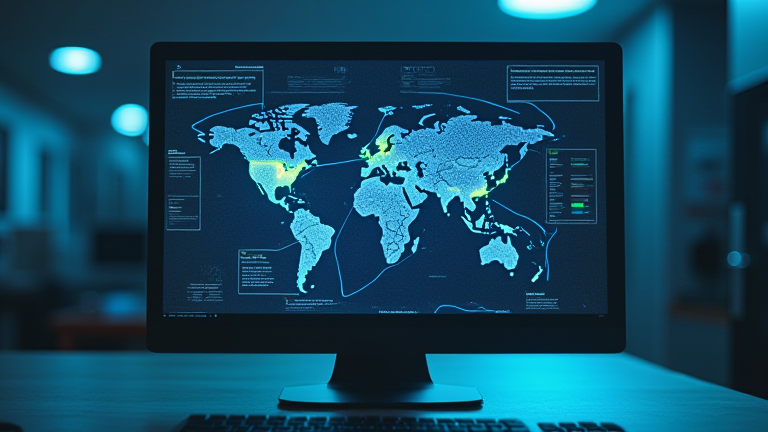
TL;DR: AI agents autonomously manage enterprise workflows by continuously monitoring data streams, making real-time decisions, and executing complex tasks without human intervention. This automation reduces operational friction, allowing human employees to focus on creative, high-value strategic initiatives rather than mundane administrative duties.
The Intersection of Digital Efficiency and Personal Well-being

The rapid integration of artificial intelligence into corporate structures has fundamentally altered the landscape of modern work. While the primary focus often remains on productivity metrics and cost reduction, the secondary effect is a profound shift in employee mental health and work-life balance. When AI agents handle repetitive data entry, schedule coordination, and basic customer service inquiries, they effectively remove the cognitive load that leads to burnout. This transition is not merely about technological advancement; it is about reclaiming human energy for meaningful interaction and rest.
Science-backed research indicates that chronic exposure to low-level administrative stressors contributes significantly to elevated cortisol levels. By delegating these tasks to autonomous software agents, organizations can create a more sustainable work environment. These AI systems operate 24/7, ensuring that urgent matters are addressed immediately while non-critical tasks are batched for efficient processing. This seamless operation prevents the “always-on” culture that plagues many modern enterprises, allowing employees to disconnect fully during their off-hours.
Lifestyle Tips for Thriving in an AI-Driven Workplace
To maintain optimal health in this new era, professionals must adopt strategies that complement their digital tools. First, prioritize deep work blocks. With AI handling routine communications, dedicate specific hours to tasks that require genuine human creativity and empathy. This focus enhances job satisfaction and provides a sense of accomplishment that automated tasks cannot replicate.
Second, establish strict digital boundaries. Just as AI agents monitor workflows, you must monitor your own engagement with technology. Use the time saved by automation to engage in mindfulness practices or physical activity. Studies show that regular movement breaks improve cognitive function and reduce the risk of sedentary lifestyle diseases. By stepping away from screens, you allow your brain to reset, improving long-term productivity.
Third, cultivate social connections. AI can simulate conversation, but it cannot replace the emotional resonance of face-to-face interaction. Prioritize team-building activities that encourage genuine human connection. This social support network is crucial for mental resilience and overall well-being.
Finally, embrace continuous learning. The ability to work alongside AI agents is a valuable skill. Invest time in understanding how these tools function, which reduces anxiety about job displacement and increases confidence in your professional role. This proactive approach fosters a growth mindset, which is linked to better mental health outcomes.
FAQ
Q: How do AI agents reduce employee stress?
A: They automate repetitive tasks, reducing cognitive load and preventing burnout by allowing humans to focus on meaningful work.
If you want to dig deeper, check out our guide on How AI Agents Automate Enterprise Workflows for Efficiency.
Q: Can AI agents replace human managers entirely?
A: No, they optimize workflows but lack the emotional intelligence and strategic oversight required for effective leadership and team management.
Q: What is the best way to use time saved by AI automation?
A: Use the freed-up time for strategic planning, creative projects, physical exercise, and building genuine social connections with colleagues.
Leave a Reply