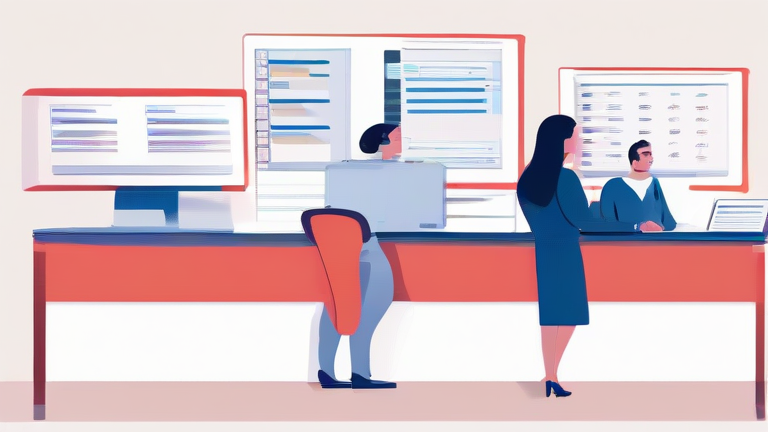
# How AI Agents Autonomously Manage Enterprise Workflows
Imagine standing at the edge of a bustling, ancient marketplace in Marrakech. The air is thick with the scent of cumin and roasted lamb, while merchants haggle over silk and spices. It is chaotic, yes, but beneath the noise lies an intricate, invisible order. Every transaction, every negotiation, and every delivery follows a rhythm that has existed for centuries. This is not magic; it is the result of deeply embedded cultural protocols and autonomous social structures that allow the city to function without central command. Today, we find ourselves witnessing a similar, albeit digital, revolution in the corporate world. The introduction of AI agents into enterprise workflows is not merely an upgrade in software; it is a cultural shift in how we approach productivity, mirroring the organic efficiency of that historic bazaar.
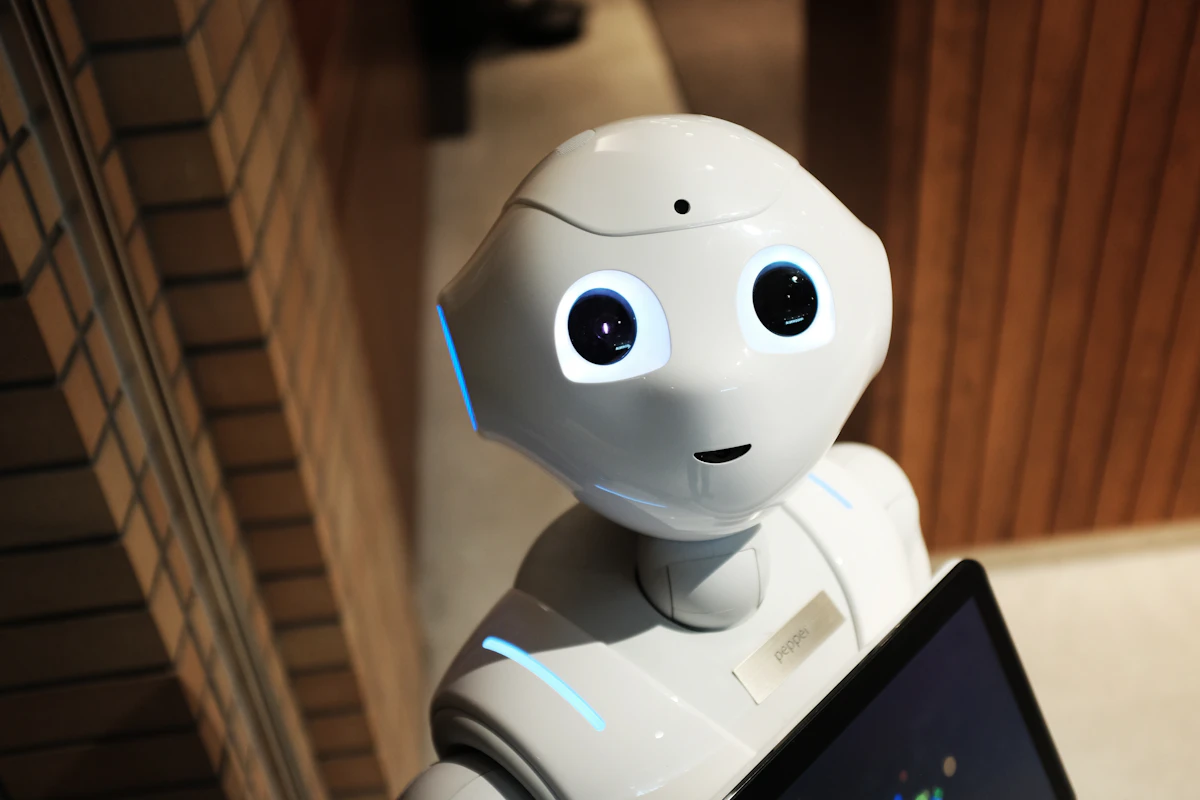
In the past, enterprise workflows were akin to a rigid train schedule. If one train was delayed, the entire system suffered. Human employees acted as conductors, manually ensuring that data moved from one department to another. However, this model was prone to bottlenecks and burnout. Enter AI agents: autonomous digital entities that do not just follow instructions but understand context. Much like a seasoned sommelier who intuitively pairs wine with food based on subtle nuances, these agents analyze complex business requirements and execute tasks with precision. They negotiate with other software systems, resolve conflicts, and adapt to changing variables in real-time.
Consider the personal growth aspect of this technological leap. For years, professionals have felt tethered to their screens, drowning in administrative tasks. The anxiety of the “always-on” culture has become a global epidemic. AI agents offer a path to liberation. By delegating routine coordination, research, and initial data synthesis to autonomous agents, humans are freed to focus on high-level strategy, creative problem-solving, and genuine human connection. This is not about replacing the human worker; it is about elevating their role. It is the difference between a chef who only
Leave a Reply