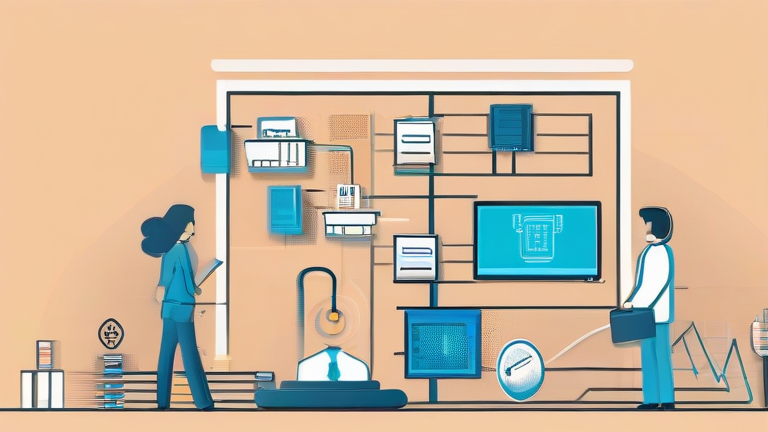
TL;DR: AI agents automate enterprise workflows by executing repetitive digital tasks with precision and speed, thereby freeing human employees to focus on high-value strategic activities. This shift reduces operational costs and minimizes human error, leading to significantly enhanced organizational efficiency and agility in a rapidly changing market.
The Intersection of Digital Efficiency and Human Wellness

The rapid integration of Artificial Intelligence (AI) agents into enterprise environments is not merely a technological upgrade; it is a fundamental shift in how we define productivity and workplace wellness. For decades, employees have been burdened by “digital drudgery”—repetitive, low-value tasks such as data entry, scheduling, and report generation. These tasks, while necessary, often lead to cognitive fatigue and burnout, contributing to a decline in overall mental health and job satisfaction. By automating these workflows, AI agents serve as intelligent assistants that handle the mundane, allowing human workers to reclaim their cognitive resources for creative and strategic thinking.
Science-backed research in organizational psychology suggests that autonomy and mastery are key drivers of employee well-being. When AI handles the routine aspects of a job, employees experience a greater sense of control over their workday. This autonomy reduces stress levels and enhances mental clarity. Furthermore, the reduction of manual errors inherent in human processing leads to fewer corrective actions and last-minute rushes, which are primary contributors to workplace anxiety. As organizations adopt these intelligent systems, they inadvertently create a healthier work environment that prioritizes human potential over mechanical repetition.
Lifestyle Tips for Thriving in an AI-Augmented Workplace
While AI agents optimize efficiency, maintaining personal health requires intentional lifestyle adjustments. The boundary between work and life can blur when technology is always present. To counteract this, experts recommend implementing strict “digital boundaries.” Schedule specific times for checking automated reports rather than reacting to every notification instantly. This practice helps maintain focus and prevents the constant context-switching that drains mental energy.
Additionally, leverage the time saved by AI for physical wellness. Instead of using freed-up hours to take on more administrative work, dedicate this time to movement and mindfulness. Regular physical activity has been proven to boost cognitive function and mood, creating a positive feedback loop that enhances your ability to work with AI tools effectively. Consider adopting a “movement snack” routine, where you take short breaks every hour to stretch or walk, ensuring your body remains as agile as the algorithms assisting you.
Finally, prioritize social connection. AI can automate communication, but it cannot replace the nuance of human empathy. Make a conscious effort to engage in face-to-face or video interactions with colleagues, focusing on relationship building rather than just task completion. This social support network is crucial for emotional resilience and long-term career satisfaction. By balancing technological efficiency with intentional self-care, you can harness the power of AI agents without compromising your health.
FAQ
Q: How do AI agents specifically reduce employee stress?
A: They eliminate repetitive, monotonous tasks that cause cognitive fatigue, allowing employees to focus on engaging, meaningful work that provides a sense of purpose and autonomy.
If you want to dig deeper, check out our guide on Top 10 Tech Trends Transforming 2024: What You Need to Know.
Q: What is the best way to manage notifications from AI agents?
A: Implement batch processing for AI-generated reports and set specific times to review them, preventing constant interruptions and allowing for deep, uninterrupted focus periods.
Q: Can AI automation lead to job insecurity?
A: While roles may change, AI typically augments human capabilities rather than replacing them entirely, shifting the focus toward strategic, creative, and interpersonal skills that are less susceptible to automation.
Leave a Reply