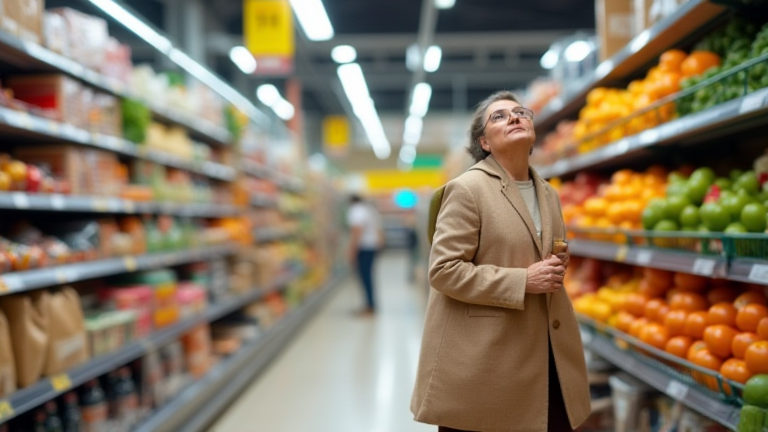
TL;DR: Consumers continue to purchase essential grocery items like dairy, eggs, and fresh produce despite significant price hikes because these staples remain non-negotiable for daily nutrition. The perceived value and lack of immediate substitutes ensure that demand remains inelastic even when inflation squeezes household budgets.
Why We Keep Buying
In an era defined by economic uncertainty and fluctuating market prices, the grocery aisle has become a battleground for consumer loyalty and budget management. While many shoppers have turned to discount retailers or switched to store brands, certain premium and essential items remain on carts regardless of the sticker shock. This phenomenon highlights a complex relationship between necessity, habit, and perceived quality that retailers are keenly aware of.
Feature Highlights of Resilient Staples
The items that defy price sensitivity usually share specific characteristics that justify their cost to the average shopper. First, there is the undeniable factor of nutritional necessity. Organic milk, free-range eggs, and fresh leafy greens are not merely commodities; they are foundational components of a health-conscious lifestyle. For many families, these items are non-negotiable pillars of their weekly meal planning. The feature highlight here is reliability. Consumers trust established brands to deliver consistent quality, safety, and taste. When a brand has spent decades building a reputation for purity or superior flavor, a ten percent price increase is often viewed as a small toll for peace of mind.
Secondly, convenience plays a massive role. Pre-cut vegetables, ready-to-eat meals, and specialized dietary products (like gluten-free or keto-friendly options) command higher prices because they save time. In a fast-paced world, time is often valued more highly than money. These products offer a solution to the modern dilemma of balancing work, family, and health. The feature highlight is the seamless integration into busy lives, allowing consumers to maintain their routines without the mental load of extensive preparation.
Comparing Value Across Brands
When comparing premium brands to generic alternatives, the difference often lies in the ingredient sourcing and ethical considerations. Shoppers who pay extra for fair-trade coffee or grass-fed beef are investing in values they believe in. While a generic brand might be thirty percent cheaper, the premium option offers transparency in supply chains and often better taste profiles. This comparison is not just about price per ounce; it is about cost per unit of satisfaction and ethical alignment. For many, the slight premium is a worthwhile investment in supporting sustainable agriculture and higher animal welfare standards.
Furthermore, the comparison extends to loyalty programs. Many retailers offer exclusive discounts or points for purchasing specific high-margin items, effectively offsetting the price hike. This strategic incentivization keeps consumers engaged with specific brands, creating a loop of continued purchase despite broader inflationary trends.
Take Action Today
Understanding why these items remain popular can help you make smarter choices. Evaluate your own pantry: are you paying for necessity or habit? Consider experimenting with high-quality store brands for some items while reserving premium purchases for those that truly impact your health and happiness. Visit your local grocery store this week and audit your purchases. Look for sales on premium staples, utilize loyalty apps for instant discounts, and remember that informed spending is the best defense against economic volatility. Your wallet will thank you for the mindfulness, even if the prices continue to climb.
FAQ
Q: Are there any grocery items that are completely immune to price hikes?
A: No, almost all grocery items are subject to inflationary pressures, though essential staples like milk and eggs see less consumer abandonment than luxury snacks.
If you want to dig deeper, check out our guide on How the Dyson Airwrap Changed Hair Styling Trends.
Q: How can I save money on premium grocery items without sacrificing quality?
A: You can save by purchasing in bulk during sales, using digital coupons, or trying high-rated store-brand alternatives that mimic the ingredients of premium brands.
Q: Why do consumers prefer organic produce despite the higher cost?
A: Many consumers prefer organic produce due to concerns about pesticide residues, environmental sustainability, and the belief that organic foods offer superior nutritional value and taste.
Leave a Reply