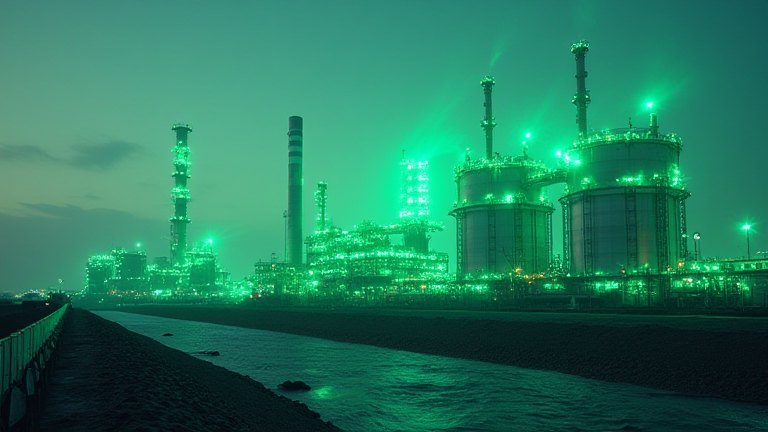
TL;DR: Green hydrogen, produced via renewable-powered electrolysis, is emerging as a critical solution for decarbonizing hard-to-abate industrial sectors like steel, chemicals, and refining. With costs falling and global capacity accelerating, it is moving from pilot projects to commercial-scale deployment.
Green hydrogen is rapidly transitioning from a niche technology to a cornerstone of industrial decarbonization strategies worldwide. According to the International Energy Agency, global electrolyzer capacity reached roughly 1.4 gigawatts in 2024, with announced projects exceeding 200 gigawatts by 2030—a signal that momentum is building fast. BloombergNEF estimates green hydrogen production costs could fall below $2 per kilogram in favorable regions by 2030, down from $4–6 today, closing the gap with fossil-based alternatives.
If you want to dig deeper, check out our guide on DeFi vs. Banks: How Decentralized Finance Is Reshaping Banki.
Market Drivers and Expert Perspectives
Policy support is a major accelerant. The EU’s Renewable Hydrogen Auction, the U.S. Inflation Reduction Act’s 45V production tax credit, and Japan’s hydrogen supply targets have unlocked billions in investment. Industry analysts at McKinsey note that steel and ammonia production account for the largest near-term demand, with green steel projects in Sweden and Germany leading commercialization. “The economics are shifting faster than most expected,” says one Deloitte energy analyst. “Electrolyzer manufacturing scale-up is the single biggest lever for cost reduction.”
Future Predictions
Looking ahead, analysts project global green hydrogen demand could reach 50–70 million tonnes annually by 2030, driven by mandates in shipping, aviation, and heavy industry. Challenges remain—infrastructure, water availability, and offtake certainty—but the trajectory is clear. By 2035, green hydrogen is expected to be cost-competitive in over 20 countries, fundamentally reshaping industrial supply chains.
FAQ
Q: What makes green hydrogen different from other hydrogen types?
A: Green hydrogen is produced using renewable electricity to split water via electrolysis, emitting zero carbon, unlike grey hydrogen made from fossil fuels.
Q: Which industries benefit most from green hydrogen?
A: Steel, ammonia, refining, and heavy transport are the leading adopters, as these sectors lack viable electrification alternatives.
Q: When will green hydrogen become cost-competitive?
A: Analysts expect parity with fossil hydrogen in favorable regions like the Middle East and Australia by 2030, with broader competitiveness by 2035.
Leave a Reply