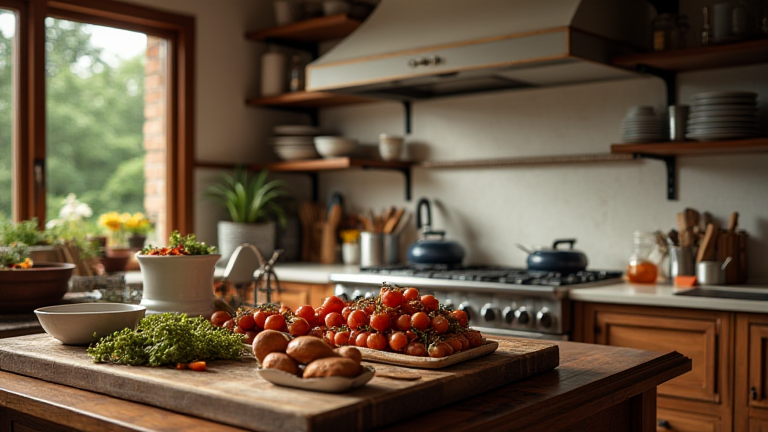
TL;DR: The daily oven is a versatile kitchen essential that supports metabolic health by enabling the preparation of nutrient-dense, home-cooked meals with controlled ingredients. Utilizing this appliance regularly fosters mindful eating habits, reduces reliance on processed foods, and aligns with scientific recommendations for long-term wellness and disease prevention.
Reviving the Heart of the Home
In an era dominated by quick-service takeout and microwave convenience, the humble oven often sits dormant, gathering dust. However, for health-conscious individuals, particularly seniors like our fictional “Grandpa,” the oven remains a powerful ally in maintaining physical vitality and mental well-being. This timeless kitchen essential is not merely a cooking tool; it is a gateway to a healthier lifestyle grounded in whole foods and mindful preparation. The science behind home cooking is robust. Studies consistently show that individuals who cook at home consume fewer calories, less sodium, and less saturated fat than those who eat out frequently. By utilizing the oven daily, you reclaim control over your nutritional intake, transforming meals from potential health liabilities into potent sources of nourishment.
The Science of Slow Cooking and Roasting
Oven cooking methods, such as roasting and baking, offer significant health advantages over frying or boiling. Roasting vegetables at high temperatures caramelizes their natural sugars, enhancing flavor without the need for excessive salt or unhealthy fats. This process preserves essential nutrients like fiber, vitamins, and antioxidants, which are crucial for immune system function and cellular repair. Furthermore, baking lean proteins like chicken breast or fish allows for even heat distribution, ensuring food safety while minimizing the formation of harmful compounds often associated with high-heat grilling or frying. From a metabolic perspective, regular consumption of oven-prepared meals stabilizes blood sugar levels, reducing the risk of insulin resistance and type 2 diabetes. The slow, steady heat also breaks down tough connective tissues in meats, making nutrients more bioavailable and easier for the body to absorb, a benefit that becomes increasingly important as digestive efficiency declines with age.
Lifestyle Integration and Mental Health
Beyond physical nutrition, the daily use of the oven supports mental health and social connection. Cooking is a mindful activity that encourages presence and patience, reducing stress and anxiety. For older adults, the routine of preparing a meal can provide a sense of purpose and accomplishment. It also serves as a social anchor; sharing a home-cooked oven-baked meal with family or friends strengthens bonds and combats loneliness, a significant risk factor for cognitive decline. To maximize benefits, start with simple recipes that require minimal active time, such as sheet-pan dinners or slow-roasted stews. Experiment with herbs and spices instead of salt to enhance flavor profiles while supporting heart health. By making the oven a central part of your daily routine, you invest in a sustainable, health-promoting lifestyle that honors both tradition and modern science.
FAQ
Q: Is using an oven every day energy-efficient for seniors?
A: Yes, if you batch cook or use efficient settings like convection mode, which cooks food faster and at lower temperatures, reducing energy consumption and cost.
If you want to dig deeper, check out our guide on How Long Can You Survive on Daory Alone?.
Q: How does oven cooking compare to microwaving in terms of nutrient retention?
A: While microwaving can preserve more water-soluble vitamins due to shorter cooking times, roasting in an oven enhances the bioavailability of certain antioxidants, such as lycopene in tomatoes, offering a different but valuable nutritional profile.
Q: Can an oven be used to support heart health specifically?
A: Absolutely, by baking or roasting foods without added saturated fats, you can significantly lower cholesterol levels and blood pressure, directly supporting cardiovascular health through diet.
Leave a Reply