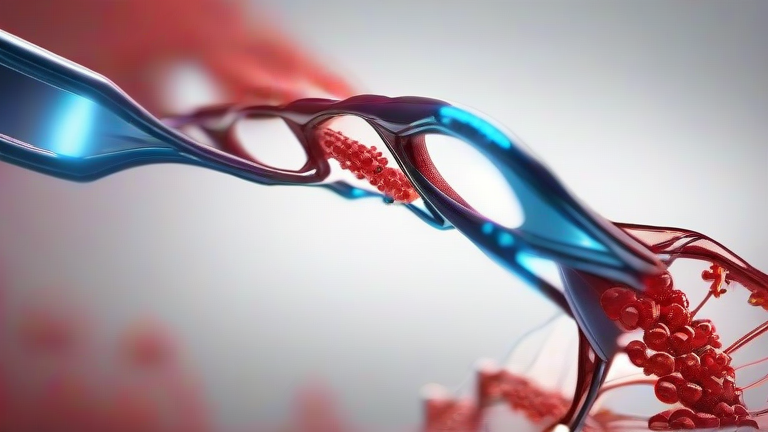
TL;DR: Gene editing therapies like CRISPR-Cas9 now offer curative potential for severe inherited blood disorders such as sickle cell disease and beta-thalassemia. These treatments modify a patient’s own stem cells to restore healthy hemoglobin production, providing long-term relief from chronic pain and transfusion dependence.
The Breakthrough in Genetic Medicine
For decades, patients with severe inherited blood disorders faced a daily struggle against debilitating symptoms. Sickle cell disease, which affects the shape of red blood cells, often causes intense pain crises and organ damage. Similarly, beta-thalassemia results in ineffective red blood cell production, leading to severe anemia that typically requires regular, lifelong blood transfusions. While bone marrow transplants offered a potential cure, they carried significant risks and required a compatible donor, which was rare.
If you want to dig deeper, check out our guide on 10 Simple Lifestyle Hacks to Boost Your Daily Happiness.
Recent advancements in CRISPR-Cas9 technology have revolutionized this landscape. By using gene editing tools, scientists can now correct the specific genetic mutations responsible for these conditions in a patient’s hematopoietic stem cells. In clinical trials, researchers have successfully reactivated the fetal hemoglobin gene, which naturally protects against sickling and provides stable oxygen transport. This approach effectively turns a patient’s own body into a medicine, offering a one-time treatment that can last a lifetime.
Science-Backed Lifestyle Support
While gene editing addresses the root cause, maintaining overall health remains crucial for optimal recovery and long-term wellness. For patients undergoing or recovering from these advanced therapies, specific lifestyle adjustments can significantly enhance outcomes.
Nutrition plays a pivotal role in cellular repair and immune function. A diet rich in antioxidants, found in berries, leafy greens, and nuts, helps combat oxidative stress, which is particularly relevant for those with a history of hemolytic anemia. Iron management requires careful medical guidance; while some patients may need iron chelation, others might require iron-rich foods like spinach and red meat to support new red blood cell production. Consulting with a registered dietitian can help tailor these nutritional strategies to individual needs.
Physical activity should be introduced gradually and consistently. Low-impact exercises such as swimming, yoga, and walking improve cardiovascular health and reduce muscle tension without placing excessive strain on the body. Regular movement also boosts mental health, reducing the anxiety and depression often associated with chronic illness management. Sleep hygiene is equally important; aiming for seven to nine hours of quality sleep supports the body’s natural repair processes and strengthens the immune system.
Furthermore, stress management techniques, including mindfulness meditation and deep breathing exercises, can lower cortisol levels. Chronic stress exacerbates inflammation, which can worsen symptoms of blood disorders. Incorporating these holistic practices alongside medical treatment creates a comprehensive wellness framework that supports both physical healing and emotional resilience.
FAQ
Q: Is gene editing therapy available to all patients with sickle cell disease?
A: No, availability is currently limited due to high costs and strict eligibility criteria, such as having a history of severe pain crises or organ damage. Patients must also undergo rigorous medical evaluation to ensure they can tolerate the necessary chemotherapy regimen.
Q: What are the main side effects of CRISPR-based blood disorder treatments?
A: The most common side effects stem from the chemotherapy used to clear existing bone marrow, including nausea, hair loss, and increased infection risk. Long-term monitoring is required to watch for rare potential issues, such as insertional mutagenesis, though current data shows a strong safety profile.
Q: How does gene editing differ from a traditional bone marrow transplant?
A: Gene editing uses the patient’s own stem cells, modified in a lab, eliminating the need for a donor match. This reduces the risk of graft-versus-host disease, a serious complication common in traditional transplants, and allows for a more personalized and potentially safer treatment option.
Leave a Reply