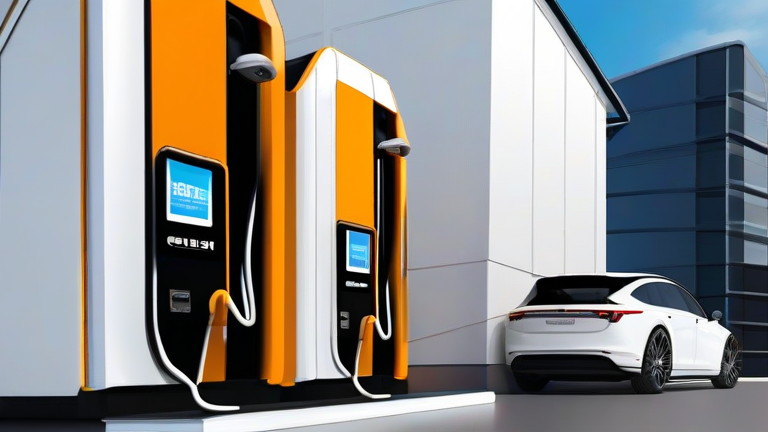
TL;DR: The rapid expansion of EV charging infrastructure is driven by government incentives and private sector investment, creating a more reliable network for everyday drivers. This growth not only reduces range anxiety but also fosters new community hubs centered around sustainable travel and local commerce.
The Road Ahead: More Than Just Plugs

For decades, the open road was a symbol of freedom, but for early electric vehicle (EV) adopters, it was often a source of stress. Range anxiety was a genuine barrier to adoption, limiting spontaneous road trips and long-distance travel. However, the landscape is shifting dramatically. As charging stations proliferate along highways and in urban centers, the narrative of EV ownership is transforming from one of inconvenience to one of convenience and connection.
This infrastructure boom is not merely about installing hardware; it is about reimagining the travel experience. Modern charging stops are evolving into destination hubs. Imagine pulling into a rest area that features high-speed chargers, a cozy café serving locally roasted coffee, and a small shop showcasing regional artisanal goods. This trend blends travel with local culture, encouraging drivers to pause, recharge their vehicles, and recharge their spirits. It turns a necessary pause into a delightful detour, fostering a deeper appreciation for the places we pass through.
Beyond travel, this shift impacts our daily routines and personal growth. As charging becomes seamless, the mental load of managing battery levels diminishes. Drivers can focus more on the journey and less on the logistics. This ease of use encourages more people to consider EVs, contributing to a broader cultural shift toward sustainability. It aligns with personal values of environmental stewardship, making eco-friendly choices accessible and practical rather than sacrificial.
The economic implications are equally significant. Local businesses near charging hubs see increased foot traffic, boosting the regional economy. Communities are investing in green infrastructure, which not only supports environmental goals but also creates jobs and stimulates innovation. As we navigate this transition, we are not just changing how we power our cars; we are changing how we interact with our environment and each other. The expanded network is a testament to collective progress, proving that technology and community can work in harmony to create a more sustainable and connected future.
FAQ
Q: What is driving the rapid growth of EV charging infrastructure?
A: Government incentives, private sector investment, and increasing consumer demand are the primary drivers fueling the expansion of charging networks globally.
If you want to dig deeper, check out our guide on Sustainable Fashion: Biodegradable Materials for a Greener F.
Q: How does expanded charging infrastructure impact travel experiences?
A: It reduces range anxiety and allows charging stops to evolve into social hubs with amenities like cafes and retail, enhancing the overall travel experience.
Q: What are the economic benefits of charging station development?
A: It stimulates local economies by increasing foot traffic for nearby businesses, creating jobs, and encouraging community investment in sustainable technologies.
Leave a Reply