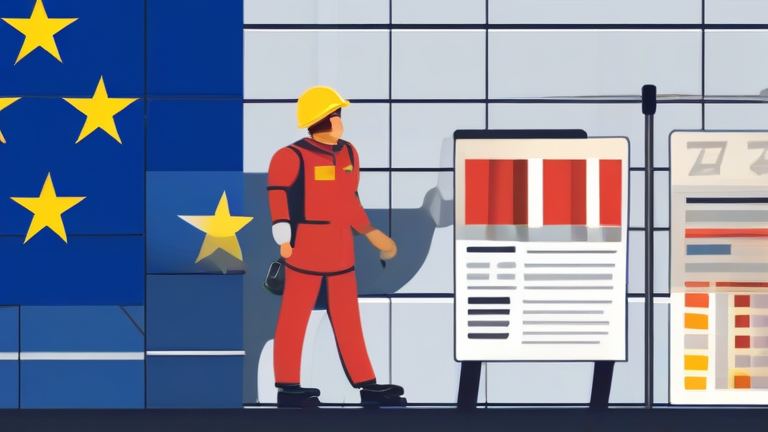
TL;DR: The European Union’s AI Act enforcement has reached its peak, mandating rigorous compliance checks for all high-risk AI systems operating within its borders. Organizations must now implement strict auditing protocols to avoid severe penalties and ensure algorithmic transparency.
EU AI Act Enforcement Peaks: Strict Compliance Checks Explained
The digital landscape is undergoing a seismic shift as the European Union intensifies its enforcement of the landmark AI Act. For businesses relying on artificial intelligence, the era of self-regulation is over. Compliance is no longer a suggestion; it is a legal imperative. This article explores the critical features of the new enforcement regime and how you can adapt your technology stack to meet these stringent demands.
If you want to dig deeper, check out our guide on Top 10 Trends to Watch in 2024: Boost Your SEO Strategy.

Feature Highlights for Modern Compliance
To navigate this complex regulatory environment, organizations need robust software solutions that offer real-time monitoring and automated documentation. Key features include continuous risk assessment algorithms, immutable audit trails, and transparent decision-making logs. These tools ensure that every AI interaction is traceable and justifiable under EU law. Unlike older systems that rely on static checks, modern platforms provide dynamic updates as regulations evolve, ensuring your business remains compliant without constant manual intervention.
Comparing Legacy Systems vs. New Standards
Traditional compliance methods often involve manual reviews and sporadic audits, which are insufficient for the speed and scale of modern AI applications. In contrast, the new EU standards require automated, continuous verification. Legacy systems frequently fail to capture the nuance of algorithmic bias or data provenance, leading to significant legal vulnerabilities. Newer solutions integrate directly with development pipelines, offering immediate feedback on potential compliance issues before deployment. This proactive approach not only reduces legal risk but also enhances public trust by demonstrating a commitment to ethical AI practices.
Take Action Now
The window for casual adaptation is closing rapidly. Regulatory bodies are increasing their scrutiny, and penalties for non-compliance can reach up to 7% of global annual turnover. Do not wait for an inspection to reveal your vulnerabilities. Invest in comprehensive compliance software today to safeguard your reputation and financial stability. Visit our website to schedule a personalized demo and learn how our solution can streamline your journey toward full EU AI Act compliance. Secure your future by prioritizing transparency and accountability in your AI strategy.
FAQ
Q: When does the strict enforcement of the EU AI Act begin?
A: Full enforcement begins in phases, with high-risk AI systems facing strict compliance checks starting in 2026, while general provisions apply earlier.
Q: What are the penalties for non-compliance?
A: Penalties can be severe, reaching up to €35 million or 7% of total worldwide annual turnover, whichever is higher.
Q: How can small businesses prepare for these regulations?
A: Small businesses should start by mapping their AI usage, documenting data sources, and implementing basic transparency measures to build a foundation for compliance.
Leave a Reply