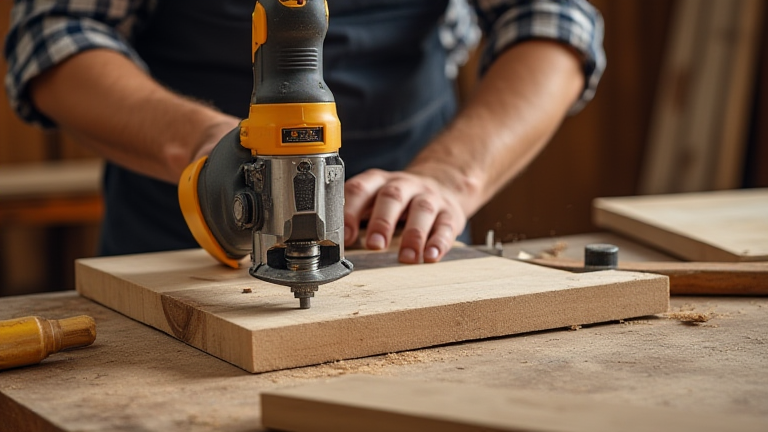
TL;DR: Start with a reliable combination of a track saw, random orbit sander, and a basic drill/driver set to cover 90% of beginner projects. These tools offer the best balance of precision, ease of use, and affordability for new woodworkers.
Why These Tools Matter
Woodworking can be intimidating, but you do not need a full shop to start. The key is selecting versatile tools that handle multiple tasks safely. A track saw allows for precise straight cuts without the danger and cost of a full-size table saw. It is portable and accurate, making it ideal for sheet goods and large panels. Pairing this with a random orbit sander ensures smooth finishes, as it is much easier to control than a belt sander for beginners. Finally, a quality cordless drill/driver set is indispensable for assembly, drilling pilot holes, and driving screws. These three categories form the core of any functional beginner’s workshop.
If you want to dig deeper, check out our guide on 7 Micronutrients Worth Tracking (And Why Most Are Overrated).
Feature Highlights and Comparisons
When comparing track saws, look for a 5-inch blade size, which is perfect for cutting plywood and MDF. Brands like Festool and DeWalt offer excellent options, though DeWalt provides better value for beginners. For sanding, choose a 5-inch random orbit sander with a dust collection port. This feature keeps your workspace cleaner and improves air quality. Avoid belt sanders initially, as they are aggressive and can quickly remove too much material. For drilling, opt for an 18-volt or 20-volt system. Higher voltage provides more torque, which is helpful for driving screws into hardwoods. Compare brands like Milwaukee, Makita, and Bosch. Makita is often praised for its lightweight design, while Milwaukee offers superior battery life. Always consider buying a combo kit to save money and ensure compatibility between your drill and impact driver.
Common Mistakes to Avoid
Many beginners overbuy tools they will rarely use. Resist the urge to purchase lathes, planers, or jointers until your skills advance. Instead, focus on mastering the tools you have. Also, do not neglect safety. Always wear eye and ear protection. Read the manual for each tool before use. Understanding the limitations of your equipment prevents accidents and project failures. Quality matters more than quantity. A well-maintained, mid-range tool will outperform a cheap, poorly built one every time.
Call to Action
Ready to start your woodworking journey? Visit your local hardware store or reputable online retailer today. Check out the top-rated track saws and drill kits mentioned above. Start small, practice on scrap wood, and build your skills gradually. Your first project can be as simple as a cutting board or a small shelf. The satisfaction of creating something with your hands is unparalleled. Do not let perfectionism stop you from starting. Pick up these essential tools and make your first cut this weekend.
FAQ
Q: Is a table saw necessary for beginners?
A: No, a track saw is a safer and more affordable alternative for most beginner projects.
Q: What voltage should I choose for my drill?
A: An 18-volt or 20-volt system is recommended for sufficient power and versatility.
Q: How do I maintain my sanding discs?
A: Clean them regularly with a brush to remove dust buildup and ensure optimal performance.
Leave a Reply