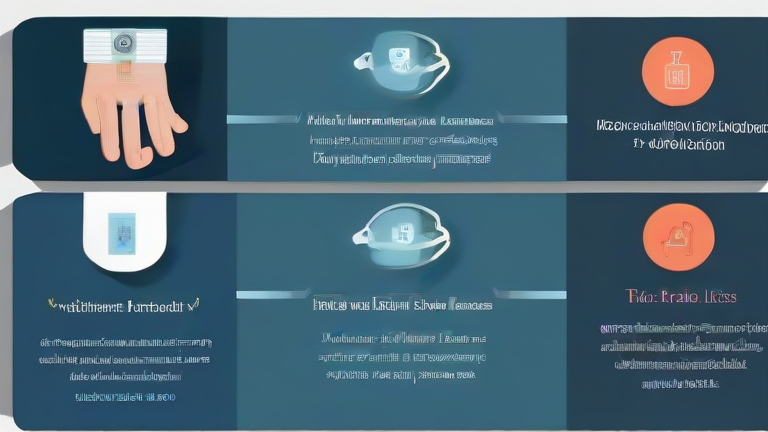
Early Health Crisis Prediction: How Wearable Tech Saves Lives
Modern wearable technology has evolved far beyond simple step counting. Today’s advanced smartwatches and fitness trackers utilize sophisticated sensors to monitor vital signs in real-time, potentially detecting early warning signs of severe health crises before they become fatal. By understanding how to leverage these devices effectively, users can take proactive control of their health, turning passive data into actionable insights that may save lives. This guide outlines the essential steps to maximize the life-saving potential of your wearable device.

Step 1: Select the Right Device
Not all wearables are created equal when it comes to medical-grade accuracy. Prioritize devices equipped with FDA-cleared features such as Electrocardiogram (ECG) monitoring, continuous blood oxygen level tracking, and advanced heart rate variability analysis. These specific metrics are critical for detecting atrial fibrillation, sleep apnea, and other cardiovascular anomalies that standard activity trackers often miss. Consult with a healthcare provider to determine which specific sensors are most relevant to your personal health history and risk factors.
If you want to dig deeper, check out our guide on Top 10 Marketing Trends Shaping 2024: What You Need to Know.
Step 2: Optimize Fit and Placement
Accurate data collection begins with proper physical placement. The sensor must maintain consistent skin contact without being too tight, which can restrict blood flow and cause false readings. Wear the device on the wrist bone, ensuring it sits snugly above the wrist joint. Clean the sensor and your skin regularly to remove sweat, lotion, or dirt that can interfere with optical heart rate sensors. A secure fit ensures that the device captures high-fidelity data during both rest and intense physical activity.
Step 3: Calibrate and Establish Baselines
Once you begin wearing the device, allow it to learn your unique physiological patterns. Spend at least two weeks wearing the device continuously, including during sleep, to establish a personal baseline for your resting heart rate, sleep stages, and daily activity levels. Understanding your normal range is crucial because deviations from this baseline are often the earliest indicators of impending health issues, such
Leave a Reply