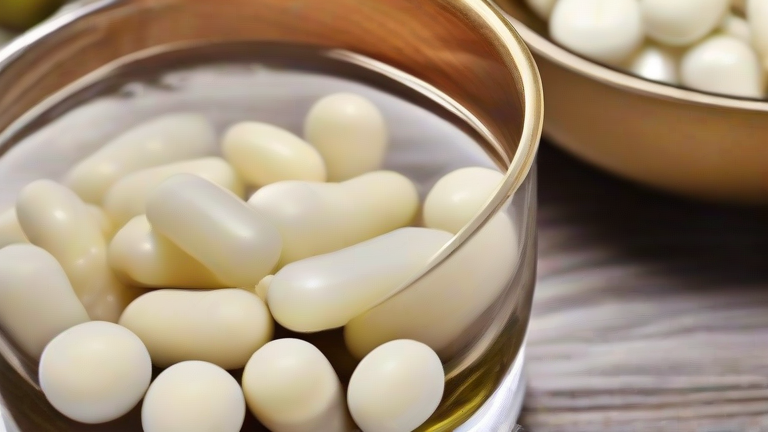
TL;DR: Yes, probiotics significantly aid digestion by breaking down complex carbohydrates and producing short-chain fatty acids that nourish gut cells. They also enhance nutrient absorption by maintaining a healthy intestinal barrier and reducing inflammation that typically impedes uptake.
The Inner Journey: How Microbes Shape Your Wellness
When we talk about personal growth, we often focus on mental exercises, meditation, or reading philosophy. Yet, there is a quieter, more fundamental journey happening within us, one that dictates our energy levels, mood, and overall vitality. This is the realm of the gut microbiome, a bustling ecosystem of trillions of bacteria that acts as our second brain. Understanding this inner world is not just biological; it is deeply cultural and lifestyle-oriented. In many traditional societies, fermented foods like kimchi, kefir, and miso have been staples for centuries, not merely for flavor, but for their perceived healing properties. Modern science is now catching up to this ancient wisdom, revealing how probiotics can transform our relationship with food and our bodies.
The connection between what we eat and how we feel is mediated by the digestive system. When you consume a meal rich in fiber or complex proteins, your body relies on these beneficial bacteria to break them down efficiently. Without a robust population of probiotics, digestion can become sluggish, leading to bloating, discomfort, and a sense of lethargy. This is where the science becomes fascinating. Probiotics produce enzymes that help decompose food particles that human enzymes alone cannot handle. This process releases essential nutrients that our bodies can then absorb. It is akin to unlocking a treasure chest that would otherwise remain sealed. Furthermore, these microbes help maintain the integrity of the gut lining, preventing “leaky gut” syndrome, a condition where toxins escape into the bloodstream, causing systemic inflammation and fatigue.
Traveling through different cultures offers a unique perspective on this biological necessity. In Japan, the longevity of its population is often attributed to a diet high in fermented soy products. In Eastern Europe, the prevalence of yogurt and sourdough bread supports a diverse gut flora. By incorporating these foods into our daily routines, we are not just eating; we are cultivating a garden within ourselves. This act of self-care is a profound form of personal growth. It requires mindfulness about what we consume and how it makes us feel. It invites us to slow down and appreciate the intricate balance of our internal ecosystems.
Moreover, the benefits extend beyond physical health. Emerging research suggests a strong link between gut health and mental well-being, often referred to as the gut-brain axis. A healthy gut can lead to improved mood, better sleep, and sharper cognitive function. This holistic view encourages us to see our bodies as integrated wholes rather than collections of separate parts. Embracing probiotics is not a quick fix but a long-term commitment to nurturing our inner landscape. It is a step towards a more balanced, energized, and mindful life. By paying attention to our digestive health, we unlock a deeper level of self-awareness and vitality.
FAQ
Q: How long does it take for probiotics to improve digestion?
A: Most people notice improvements in digestion within a few days to two weeks of consistent daily use, though individual results may vary based on existing gut health.
If you want to dig deeper, check out our guide on 10 Essential Health Tips for a Better Life.
Q: Can I get enough probiotics from food alone?
A: Yes, fermented foods like yogurt, kefir, sauerkraut, and kimchi provide natural probiotics, though supplements may offer higher, more targeted strains for specific conditions.
Q: Are probiotics safe for everyone?
A: While generally safe for healthy individuals, those with compromised immune systems or serious illnesses should consult a healthcare provider before starting probiotic supplements.
Leave a Reply