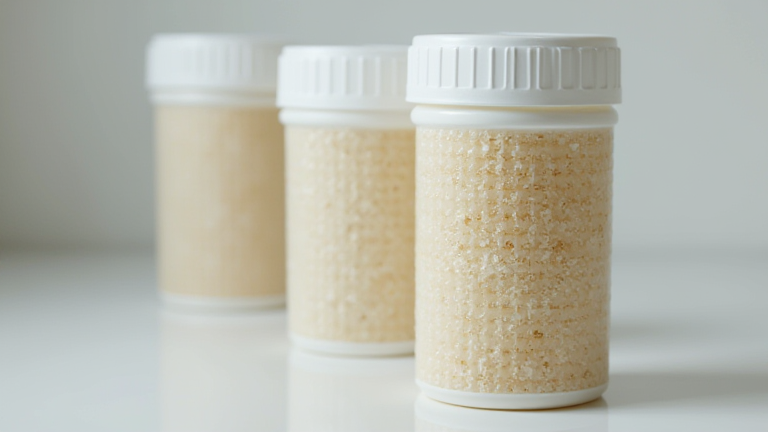
TL;DR: Probiotics significantly aid digestion by restoring microbial balance and enhancing nutrient bioavailability, though their efficacy varies by strain and individual gut health. They are not a universal cure-all but serve as targeted adjuncts to traditional digestive care.
The Rising Tide of Gut Health
The global probiotics market is experiencing unprecedented growth, driven by heightened consumer awareness regarding gut health and its systemic impact on overall well-being. Recent market analysis indicates that the global probiotics market size was valued at approximately USD 54 billion in 2023 and is projected to expand at a compound annual growth rate (CAGR) of over 7% through 2030. This surge reflects a broader shift towards preventive healthcare, where individuals seek natural solutions to manage digestive disorders, improve immunity, and optimize nutrient absorption. As dietary habits become increasingly processed and stressful, the demand for microbiome-supporting products has transitioned from a niche interest to a mainstream health imperative.

Expert Insights on Absorption
Leading gastroenterologists and nutritionists emphasize that probiotics do more than just alleviate symptoms like bloating or irregularity; they actively facilitate the breakdown of complex carbohydrates and proteins. Dr. Elena Rossi, a prominent microbiome researcher, notes, “Specific strains, such as Lactobacillus rhamnosus GG and Bifidobacterium lactis, have been clinically shown to enhance the absorption of minerals like calcium and magnesium. By maintaining the integrity of the intestinal lining, these beneficial bacteria reduce inflammation that often impedes nutrient uptake.” However, experts caution against generalizations. The efficacy of probiotics is highly strain-specific and context-dependent. What works for someone with lactose intolerance may offer little benefit to an individual with a healthy microbiome. Furthermore, the bioavailability of live cultures depends heavily on formulation technology, ensuring that bacteria survive stomach acid to reach the intestines alive.
Future Predictions
Looking ahead, the industry is pivoting towards precision probiotics. Future trends suggest a move away from broad-spectrum supplements towards personalized microbiome profiling. Advances in genetic sequencing will allow consumers to receive tailored probiotic recommendations based on their unique gut flora composition. Additionally, the integration of probiotics into novel food matrices, such as fermented beverages and functional snacks, will continue to grow, making daily consumption more convenient. As regulatory frameworks evolve to better define health claims, transparency in labeling will become paramount, empowering consumers to make informed choices. The convergence of artificial intelligence and microbiome science promises to unlock new therapeutic applications, potentially treating conditions beyond digestion, including metabolic disorders and mental health issues, thereby solidifying probiotics as a cornerstone of modern preventive medicine.
FAQ
Q: Do all probiotic strains help with digestion?
A: No, efficacy is strain-specific; only certain strains like Lactobacillus and Bifidobacterium have proven digestive benefits.
If you want to dig deeper, check out our guide on Best Noise-Canceling Headphones for Travel in 2024.
Q: How long does it take to see results?
A: Most users notice improvements in digestion within two to four weeks of consistent daily supplementation.
Q: Can probiotics replace digestive enzymes?
A: No, they serve different functions; probiotics support gut flora, while enzymes directly break down food, though they can be used together.
Leave a Reply