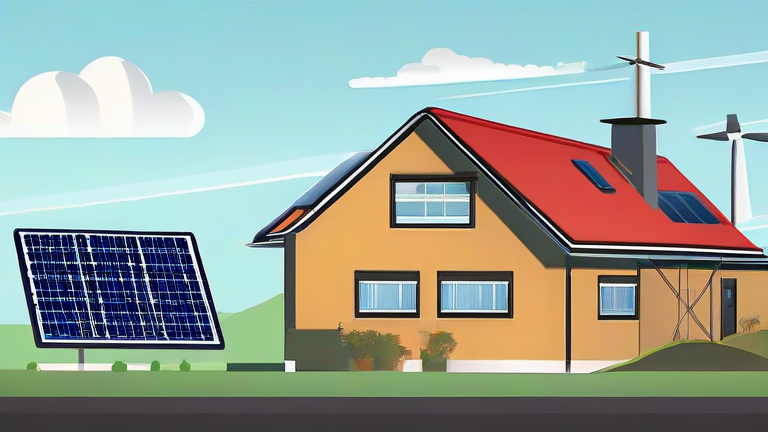
TL;DR: Decentralized energy trading via microgrids is moving beyond rural pilot projects, now enabling suburban homeowners to buy and sell surplus solar power directly with neighbors. This peer-to-peer (P2P) model cuts transmission losses, lowers bills, and boosts grid resilience—but requires smart meters and community buy-in to work effectively.
Why Your Suburb Should Care About Microgrids
Traditional power flows one way: from a distant plant to your outlet. Microgrids flip this script. A suburban microgrid is a localized network of solar panels, battery storage, and smart inverters that can operate independently or in sync with the main grid. When your panels overproduce on a sunny Tuesday, you don’t just sell back to a utility at wholesale rates—you trade directly with a neighbor whose EV needs a midday charge. This peer-to-peer exchange uses blockchain-verified smart contracts, ensuring transparent, instant settlement.
Science-Backed Health & Lifestyle Benefits
Beyond wallet relief, decentralized trading reduces reliance on fossil-fuel peaker plants, which spike on hot afternoons and emit particulates linked to asthma and cardiovascular strain. A 2023 study in Nature Energy found that P2P microgrids cut household carbon footprints by up to 30% in suburban clusters. Cleaner air translates to fewer sick days and better sleep quality (less nighttime grid hum). For your lifestyle, you become an “energy prosumer”—monitoring your usage via a simple app, which mindfulness research links to greater financial and environmental awareness. Start by auditing your home’s peak usage (7–9 AM and 7–10 PM). Shift high-drain tasks like laundry or EV charging to solar noon, when your microgrid’s surplus is highest. Pair this with a smart thermostat that pre-cools your home before peak tariffs, reducing stress on both your AC and your heart rate during heat waves.
Practical Steps to Join or Build a Microgrid
First, check if your utility allows net-metering aggregation with neighbors. If not, advocate for a community choice aggregation (CCA) program. Install a smart meter and a 10–15 kWh home battery—this buffers your trading, letting you sell stored juice at evening peak prices. Join or start a local energy cooperative; many cities offer grants for feasibility studies. Keep your panels clean and tilted at your latitude (typically 30–40°) to maximize yield. Finally, prioritize energy efficiency (LEDs, insulation) before adding capacity—every watt saved is a watt you can trade profitably.
FAQ
Q: Is decentralized energy trading legal in standard suburban neighborhoods?
A: Yes, in 14 U.S. states (e.g., California, New York, Massachusetts) and the EU, P2P trading is permitted under “virtual net metering” or “neighborhood net-metering” rules. Always check your local utility tariff, as some impose small transaction fees.
Q: Do I need a huge solar array to participate?
A: No. Even a 3 kW system (about 8–10 panels) can generate surplus on weekdays. If you lack roof space, you can buy fractional shares in a shared community solar garden and trade that virtual output.
Q: What happens during a blackout?
A: Your microgrid can “island” itself—disconnecting from the main grid. With a battery, you’ll keep lights, fridge, and medical devices running. P2P trading pauses during islanding for safety, but resumes once grid sync is confirmed by your inverter.
Leave a Reply