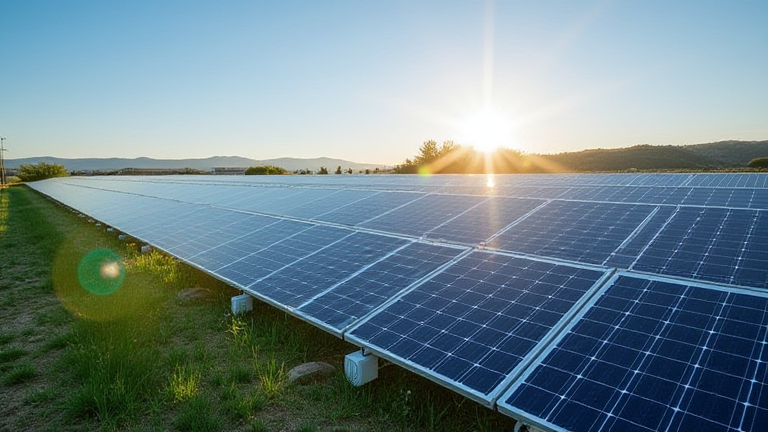
Decentralized Energy Grids: Managing Local Solar & Storage
TL;DR: Deploying decentralized energy grids requires integrating local solar generation with smart battery storage systems to balance supply and demand autonomously. Effective management relies on real-time monitoring software that optimizes charging cycles and seamlessly switches between grid power and local storage to ensure reliability.
Step 1: Assess Local Generation Potential
Begin by evaluating the solar irradiation levels in your specific geographic area. Use historical weather data to determine the average peak sun hours per day. This assessment dictates the size of the photovoltaic array required to meet your baseline energy needs. Install high-efficiency solar panels that maximize output in lower light conditions. Ensure proper tilt angles are set to capture maximum seasonal sunlight. This foundational step ensures that your generation capacity aligns with actual consumption patterns, preventing underutilization or excessive surplus that complicates storage management.
If you want to dig deeper, check out our guide on Best Ergonomic Office Chairs for Long Hours.
Step 2: Select and Install Storage Solutions
Choose battery storage systems that complement your solar setup, such as lithium-ion or flow batteries. Determine the required kilowatt-hour capacity based on your evening and nighttime usage. Install inverters that support bidirectional power flow, allowing energy to move efficiently between the solar array, the battery bank, and the main grid. Proper ventilation and thermal management are critical for battery longevity. Ensure all wiring meets local electrical codes and safety standards. This hardware infrastructure forms the backbone of your decentralized system, enabling you to store excess daytime energy for later use.
Step 3: Implement Smart Control Software
Deploy a microgrid controller or energy management system (EMS) to automate operations. This software monitors real-time generation, consumption, and battery state of charge. Configure algorithms to prioritize self-consumption of solar power before exporting to the grid or importing from it. Set specific rules for charging and discharging batteries based on time-of-use electricity rates. This intelligent layer ensures that your system operates at peak efficiency, reducing costs and minimizing strain on the main grid during peak demand periods.
Step 4: Monitor and Maintain System Performance
Regularly review performance dashboards to track energy production and storage efficiency. Clean solar panels to maintain optimal light absorption and inspect battery health for any degradation signs. Update firmware for inverters and controllers to ensure security and improved functionality. Conduct annual maintenance checks on all electrical connections. Proactive maintenance prevents unexpected outages and extends the lifespan of your hardware. Consistent monitoring allows you to fine-tune your EMS settings as your energy usage patterns evolve over time.
Tip: Consider joining a community microgrid if available. Sharing resources with neighbors can provide additional stability and resilience during extreme weather events or grid failures.
FAQ
Q: What is the initial cost of setting up a decentralized energy system?
A: Costs vary widely but typically range from $15,000 to $50,000 depending on system size, battery capacity, and local installation rates. Financial incentives often reduce net costs significantly.
Q: Can my system operate completely off-grid?
A: Yes, but you must size your solar array and battery storage to cover all potential energy needs, including peak winter loads, to ensure continuous power without grid connection.
Q: How do I handle excess energy when batteries are full?
A: Most systems allow you to export surplus energy to the main grid for credits, or you can use smart diverters to charge electric vehicles or water heaters dynamically.
Leave a Reply