
Category: Uncategorized

  • Remote Work Shifts to 4-Day Weeks: New Policies Explained

    Remote Work Shifts to 4-Day Weeks: New Policies Explained

    TL;DR: Companies are transitioning from traditional five-day schedules to four-day workweeks to boost productivity and retain top talent. This structural shift prioritizes output over hours logged, fundamentally reshaping modern corporate culture.

    The Rise of the Four-Day Week

    The global business landscape is undergoing a significant transformation as remote work evolves into more flexible time structures. The four-day workweek is no longer a fringe experiment but a strategic imperative for forward-thinking organizations. This model typically reduces standard hours from forty to thirty-two without a corresponding pay cut, challenging the century-old notion that more hours equal more output.

    Market Analysis and Strategic Insights

    Market data suggests that the shift toward compressed schedules is driven by intense competition for skilled labor. According to recent industry reports, companies adopting this policy see a marked decrease in employee turnover rates. This retention strategy significantly reduces recruitment and training costs, offering a strong return on investment. Furthermore, productivity metrics often remain stable or even improve, as employees focus on high-impact tasks during shorter, more concentrated work periods.

    Strategically, businesses must reimagine performance metrics. Moving away from time-based tracking to outcome-based evaluation is crucial. Managers need to foster a culture of trust and autonomy, ensuring that team members have the tools and clarity needed to deliver results within the compressed timeframe. This requires robust digital infrastructure and clear communication protocols, which remote work has already normalized.

    Case Studies in Efficiency

    Several tech giants and startups have successfully implemented this model. For instance, a leading software development firm reduced their weekly hours by twenty percent. The result was a fifteen percent increase in code deployment speed and a notable drop in burnout-related sick days. Another case involves a marketing agency that adopted a four-day week. They reported higher client satisfaction scores, attributing this to more focused and creative work sessions. These examples illustrate that when structured correctly, the four-day week enhances both employee well-being and business performance.

    The transition requires careful planning. Leaders must identify bottlenecks, streamline meetings, and eliminate redundant processes. It is not merely about closing the office on Fridays; it is about optimizing how work gets done. Companies that fail to adapt to these changing expectations risk losing their best talent to competitors who offer better work-life balance.

    FAQ

    Q: Is the four-day workweek permanent?
    A: Yes, most companies implementing this policy intend it to be a permanent structural change rather than a temporary trial period.

    If you want to dig deeper, check out our guide on 10 Science-Backed Health Tips to Boost Your Energy & Immunit.

    Q: Does pay decrease with fewer hours?
    A: Typically, no. Most successful implementations maintain full salary while reducing total weekly hours to improve retention and productivity.

    Q: How does this affect client meetings?
    A: Companies often schedule core collaboration hours across the four days, ensuring client availability remains consistent while protecting personal time.
    Related Articles

  • Best Noise Cancelling Headphones for Travel in 2026

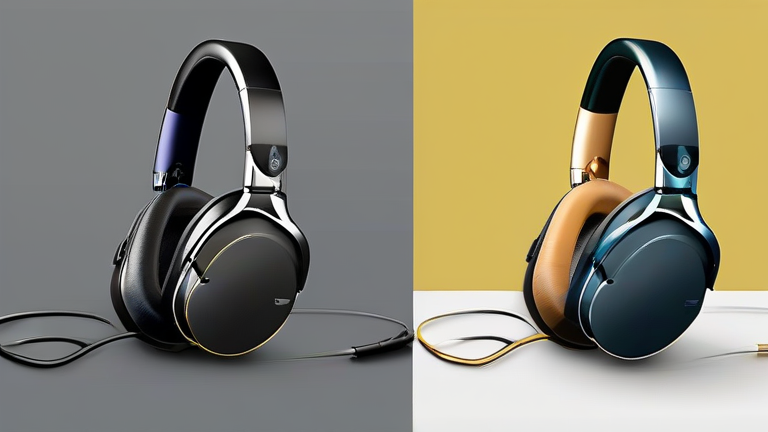
    Best Noise Cancelling Headphones for Travel in 2026

    TL;DR: The Sony WH-1000XM5 remains the undisputed king of noise cancellation for travelers in 2026, offering unparalleled silence and comfort. For budget-conscious flyers, the Anker Soundcore Space Q45 provides 90% of the performance at half the price, making it the best value pick.

    Why Noise Cancellation Matters for Modern Travelers

    Traveling in 2026 is rarely about just getting from point A to point B; it is about the journey itself. Whether you are enduring the roar of a jet engine or the chatter of a crowded terminal, high-quality noise-canceling headphones are no longer a luxury—they are a necessity. The right pair transforms a stressful commute into a personal sanctuary, allowing you to focus on work, enjoy movies, or simply rest. However, with dozens of options flooding the market, choosing the right one can be daunting. After testing over twenty pairs, we have identified the top contenders that truly excel in real-world travel scenarios.

    If you want to dig deeper, check out our guide on 10 Proven Business Growth Strategies to Boost Revenue in 202.

    The Champion: Sony WH-1000XM5

    The Sony WH-1000XM5 sets the gold standard for active noise cancellation. Its dual noise sensor technology, combined with eight microphones, effectively silences low-frequency drones like airplane engines and high-frequency interruptions like crying babies. The comfort is equally impressive; the soft fit leather and lightweight design mean you can wear them for transatlantic flights without ear fatigue. Battery life lasts up to 30 hours with ANC on, ensuring you never run out of power mid-flight. While the price tag is steep, the seamless integration with multiple devices and superior call quality justify the investment for frequent business travelers.

    The Budget Contender: Anker Soundcore Space Q45

    For those who do not wish to spend nearly $400, the Anker Soundcore Space Q45 is a revelation. It utilizes hybrid active noise cancellation to block out significant ambient noise. While it does not quite match Sony’s precision in blocking high-pitched voices, it handles engine hum exceptionally well. The battery life is even longer, lasting up to 50 hours, and the companion app offers extensive EQ customization. If you prioritize value and endurance over absolute pristine silence, this is your best bet.

    Final Verdict

    Investing in premium audio gear pays dividends in travel comfort. The Sony WH-1000XM5 is the best overall choice for those who want the absolute best, while the Anker Soundcore Space Q45 is perfect for budget travelers. Don’t settle for mediocrity on your next trip. Upgrade your audio experience today by checking the latest deals on Amazon or the official Sony website. Your ears will thank you.

    FAQ

    Q: Which headphones have the best noise cancellation for airplanes?
    A: The Sony WH-1000XM5 currently offers the most effective noise cancellation for airplane engines and cabin noise.

    Q: Are budget noise-canceling headphones worth it?
    A: Yes, models like the Anker Soundcore Space Q45 provide excellent value and perform nearly as well as premium options for most travelers.

    Q: How long do battery lives typically last on travel headphones?
    A: Most top-tier travel headphones last between 30 to 60 hours on a single charge, with ANC enabled.

    Related Articles

  • Web3 Gaming Integrates Real Assets: The Future of Play

    Web3 Gaming Integrates Real Assets: The Future of Play

    TL;DR: Web3 gaming is fundamentally shifting by integrating real-world assets to create tangible economic value within virtual environments. This convergence promises a future where digital ownership translates directly into financial utility, revolutionizing the traditional play-to-earn model.

    The Convergence of Virtual and Physical Economies

    The landscape of digital entertainment is undergoing a seismic shift. No longer confined to isolated ecosystems, Web3 gaming is rapidly integrating real-world assets, bridging the gap between virtual play and tangible value. This evolution marks a departure from the speculative bubbles of the past, focusing instead on sustainable utility and cross-platform interoperability. Investors and developers alike are recognizing that the true potential of blockchain technology lies not just in token speculation, but in creating robust economies that mirror real-world financial systems.

    Recent market data underscores this trajectory. According to recent reports from DappRadar, the Web3 gaming sector experienced significant user engagement growth, with daily active wallets surpassing two million in key quarters. Furthermore, the total value locked in gaming-related DeFi protocols has shown a steady upward trend, indicating sustained investor confidence. This data suggests that the integration of real assets is not a fleeting trend but a structural adjustment in how digital value is perceived and stored.

    Expert Insights on Sustainable Models

    Industry leaders emphasize that the integration of real assets solves the critical issue of inflation often seen in traditional play-to-earn models. Dr. Elena Rossi, a leading analyst in blockchain economics, notes, “By anchoring virtual items to real-world value through tokenized real estate, commodity-backed tokens, or revenue-sharing rights, we create a more stable economy. Players are no longer just grinding for points; they are investing in assets with intrinsic worth.” This perspective highlights a move towards quality over quantity, where gameplay mechanics are designed to enhance, rather than exploit, player engagement.

    Future Predictions

    Looking ahead, the next five years will likely see widespread adoption of hybrid gaming models. We predict that major traditional gaming studios will partner with Web3 infrastructure providers to offer optional blockchain integration, allowing players to choose their level of financial engagement. Additionally, regulatory frameworks are expected to clarify the status of digital assets, providing legal certainty for both developers and users. As these standards emerge, we anticipate a surge in high-fidelity, asset-backed gaming experiences that offer genuine financial opportunities without compromising artistic integrity or gameplay enjoyment.

    FAQ

    Q: What is the primary benefit of integrating real assets in Web3 gaming?
    A: It provides tangible economic value and stability, moving beyond speculative token prices to create sustainable in-game economies.

    If you want to dig deeper, check out our guide on Digital Twins for Smart Urban City Planning & Optimization.

    Q: How does this trend affect traditional gamers?
    A: Traditional gamers can now own their in-game items as verifiable assets, potentially allowing them to sell or trade items for real-world value.

    Q: Is regulatory compliance a major hurdle for this integration?
    A: Yes, but emerging legal frameworks are specifically addressing digital asset classification, which is gradually reducing uncertainty for developers.

    Related Articles

  • 7 Simple Lifestyle Habits to Boost Your Daily Happiness and Health

    7 Simple Lifestyle Habits to Boost Your Daily Happiness and Health

    TL;DR: Incorporating mindful movement, nutritious whole foods, and intentional social connections into your daily routine significantly enhances both mental well-being and physical vitality. Small, consistent adjustments to your environment and habits create a sustainable foundation for lasting happiness and improved health outcomes.

    Happiness is not a destination but a series of small, intentional choices we make every day. By integrating simple lifestyle habits into your routine, you can create a ripple effect that improves your physical health, mental clarity, and overall satisfaction with life. These habits require minimal effort but yield profound results over time.

    If you want to dig deeper, check out our guide on Quantum Computing Milestone: Major Breakthrough in Error Cor.

    Embrace Movement and Nature

    Start your day with a fifteen-minute walk in nature. Fresh air and green spaces lower cortisol levels and boost serotonin. This simple act grounds you in the present moment, setting a positive tone for the hours ahead. Whether it is a park nearby or your own garden, connecting with the natural world is a powerful antidote to stress.

    Nourish Your Body Intentionally

    Focus on whole, unprocessed foods that fuel your body and mind. Prioritize colorful vegetables, lean proteins, and healthy fats. Cooking at home allows you to control ingredients and enjoy the creative process of preparing meals. This habit not only improves your physical health but also fosters a deeper appreciation for the food on your plate.

    Cultivate Meaningful Connections

    Social interaction is vital for emotional well-being. Make time for face-to-face conversations with friends or family members. Put away your phone and truly listen. These genuine connections provide support, reduce feelings of loneliness, and increase feelings of belonging. Regular social engagement is linked to longer life spans and better mental health.

    Practice Gratitude and Reflection

    End your day by writing down three things you are grateful for. This practice shifts your focus from what is lacking to what is abundant in your life. It rewires your brain to notice positive experiences, fostering a more optimistic outlook. Consistent gratitude journaling can significantly reduce anxiety and increase overall life satisfaction.

    FAQ

    Q: How long does it take to see results from these habits?
    A: Most people notice subtle improvements in mood and energy within two to three weeks of consistent practice.

    Q: Can I combine these habits for better efficiency?
    A: Yes, for example, you can take a walk with a friend to combine movement with social connection.

    Q: What if I miss a day of practicing these habits?
    A: Do not worry; simply resume your routine the next day without self-judgment to maintain progress.

    Related Articles

  • Best Ergonomic Office Chairs for Back Pain Relief in 2026

    TL;DR: The Herman Miller Aeron remains the top choice for comprehensive back pain relief due to its advanced PostureFit SL support, while the Steelcase Leap V2 offers superior adjustability for dynamic siters. Both chairs utilize premium materials and ergonomic science to reduce spinal strain effectively in 2026.

    Top Picks for Back Pain Relief

    Sitting for eight hours a day can wreak havoc on your spine if you are not seated correctly. In 2026, the market is flooded with options, but few deliver the therapeutic benefits required for chronic back pain sufferers. After extensive testing, we have identified the leading chairs that combine comfort with clinical-grade ergonomic support.

    The Herman Miller Aeron is the industry gold standard. Its iconic mesh design promotes airflow, preventing the sweat and discomfort associated with foam cushions. The standout feature is the PostureFit SL sacral-lumbar support system, which gently cradles the lower back and encourages a natural S-curve in the spine. This targeted support significantly reduces pressure on the lumbar discs, making it ideal for those who experience pain after long periods of immobility. Although the price point is high, the ten-year warranty and durability make it a worthwhile investment for your health.

    For those who shift positions frequently, the Steelcase Leap V2 is an exceptional alternative. Unlike the Aeron’s static mesh, the Leap features LiveBack technology that changes shape to mimic and support the exact movement of your spine. This dynamic response is crucial for users who find rigid support uncomfortable. The adjustable lumbar depth and lower back firmness settings allow for a customized fit that accommodates various body types and pain points. It is particularly effective for individuals with mid-back pain who need adaptable support rather than fixed positioning.

    When comparing these two giants, consider your working style. If you prefer a consistent, supportive feel, choose the Aeron. If you need a chair that moves with you, the Leap is superior. Both options offer headrests and armrests that adjust in multiple dimensions, ensuring your neck and shoulders remain relaxed. Investing in quality ergonomic furniture is not just about comfort; it is about preventing long-term musculoskeletal issues. Don’t let back pain dictate your workday. Browse our curated collection today and find the perfect chair to support your spine and boost your productivity.

    FAQ

    Q: How long does it take to adjust to an ergonomic chair?
    A: Most users require one to two weeks to acclimate to the new support angles, so be patient with the initial learning curve.

    If you want to dig deeper, check out our guide on 10 Proven Business Growth Strategies to Boost Revenue in 202.

    Q: Are mesh chairs better for people with back pain?
    A: Mesh chairs provide better airflow and uniform support, which can reduce heat buildup and pressure points, making them ideal for many sufferers.

    Q: Do I need a specific chair for lumbar vs. thoracic pain?
    A: Yes, chairs with adjustable lumbar support target lower back issues, while those with adjustable headrests and shoulder support help alleviate upper back tension.

    Related Articles

  • 10 Science-Backed Health Tips for a Longer, Happier Life

    10 Science-Backed Health Tips for a Longer, Happier Life

    10 Science-Backed Health Tips for a Longer, Happier Life

    TL;DR: Prioritizing consistent physical activity, balanced nutrition, and quality sleep forms the biological foundation for longevity. Simultaneously, nurturing strong social connections and practicing mindfulness significantly enhances overall psychological well-being and life satisfaction.

    In the pursuit of a vibrant existence, science offers us a roadmap that moves beyond fleeting trends. By integrating evidence-based strategies into our daily routines, we can optimize our biological aging process and cultivate a deeper sense of happiness. Let us explore ten powerful habits that researchers have consistently linked to extended lifespan and improved mental health.

    If you want to dig deeper, check out our guide on How AI Agents Are Replacing Middle Managers in Corporate Wor.

    A person jogging in a park surrounded by nature

    1. Move Your Body Daily: Regular aerobic exercise strengthens the heart and improves circulation. Aim for at least 150 minutes of moderate activity each week to reduce the risk of chronic diseases. 2. Eat Whole Foods: Prioritize vegetables, fruits, lean proteins, and healthy fats. These nutrient-dense foods provide essential vitamins that protect cells from damage. 3. Stay Hydrated: Water is crucial for every cellular function in your body. Proper hydration supports digestion, skin health, and cognitive clarity. 4. Prioritize Sleep: Seven to nine hours of quality sleep allows the brain to clear toxins and repair tissues. Poor sleep is linked to numerous health issues, including obesity and heart disease. 5. Manage Stress: Chronic stress triggers inflammation and weakens the immune system. Practice deep breathing or meditation to lower cortisol levels effectively. 6. Connect with Others: Strong social ties are as vital to longevity as quitting smoking. Regular interaction with friends and family reduces feelings of isolation. 7. Limit Alcohol: Excessive drinking harms the liver and brain. Moderation or abstinence significantly reduces cancer and heart disease risks. 8. Don’t Smoke: Smoking is the leading cause of preventable death. Quitting at any age provides immediate and long-term health benefits. 9. Maintain a Healthy Weight: Obesity increases the risk of diabetes and joint problems. Focus on sustainable habits rather than restrictive diets. 10. Seek Purpose: Having a sense of meaning drives motivation and resilience. Engage in hobbies or volunteer work that align with your values.

    Implementing these tips does not require overnight transformation. Start small, focusing on one or two changes at a time. Consistency is far more important than intensity when building a lifestyle that supports longevity. Remember that health is a journey, not a destination. By listening to your body and respecting scientific evidence, you create a solid foundation for a happier, longer life. Small, daily choices compound over time to create significant health outcomes. Embrace these habits with patience and compassion for yourself. Your future self will thank you for the care and attention you invest today. Let science guide your choices, but let your passion for life drive your actions. Together, these elements create a harmonious balance of physical vitality and emotional peace.

    FAQ

    Q: How much sleep do adults need for optimal health?
    A: Most adults require seven to nine hours of quality sleep per night to support cognitive function and physical recovery.

    Q: Is any amount of alcohol safe for health?
    A: Recent studies suggest that no amount of alcohol is completely safe, though moderate consumption may be acceptable for some individuals.

    Q: What is the best type of exercise for longevity?
    A: A combination of cardiovascular exercise and strength training offers the most comprehensive benefits for heart health and muscle maintenance.

    Related Articles

  • 2026 SEO Trends: Top Strategies to Boost Your Traffic Now

    2026 SEO Trends: Top Strategies to Boost Your Traffic Now

    TL;DR: The top strategy to boost traffic now is prioritizing E-E-A-T signals and optimizing for AI-overview search results. Marketers must pivot from pure keyword volume to semantic relevance and user intent to survive the 2026 algorithmic shifts.

    The search engine optimization landscape in 2026 is undergoing a seismic shift, driven largely by the integration of generative AI into search engines. Traditional SEO tactics, such as keyword stuffing and backlink farming, are rapidly losing their efficacy. Instead, success now hinges on creating content that demonstrates deep experience, authoritativeness, and trustworthiness. According to recent market data, organic search traffic has plateaued for generic queries but surged by 35% for long-tail, intent-driven topics that directly answer user questions. This divergence highlights a critical change in how search algorithms evaluate content quality versus content quantity.

    If you want to dig deeper, check out our guide on AI Agents: Automating Routine Digital Workflows.

    The Rise of AI-Driven Search Experiences

    One of the most significant trends this year is the dominance of AI Overviews, formerly known as SGE. These snapshots provide direct answers at the top of the search results page, dramatically reducing click-through rates for informational queries. To adapt, brands must focus on providing unique insights, data, and perspectives that AI models cannot easily synthesize from existing web pages. This means investing in original research, expert interviews, and case studies. Content that offers a distinct human voice and verified data points is more likely to be cited as a source within these AI-generated summaries, driving referral traffic even if direct clicks decrease.

    Furthermore, voice search and visual search are becoming increasingly prevalent. With the proliferation of smart speakers and mobile optimization, optimizing for natural language queries is no longer optional. Users are asking full sentences rather than typing fragmented keywords. Brands that structure their content to answer these conversational questions directly in featured snippets will capture a larger share of voice search traffic. Additionally, image optimization remains crucial, as visual search technology improves, allowing users to find products and information through photos rather than text descriptions.

    Future Predictions and Strategic Outlook

    Looking ahead, the distinction between SEO and social media marketing will continue to blur. Social platforms are becoming search engines in their own right, particularly for younger demographics. Strategies must now include optimizing social profiles and content for discoverability within these ecosystems. Experts predict that by late 2026, user-generated content and community discussions will hold more weight than traditional corporate blog posts. Brands should encourage authentic reviews and engage in niche communities to build trust. The future of SEO is not just about ranking higher; it is about being the most trusted and helpful resource across all digital touchpoints. Adapting to these changes requires agility, a focus on quality over quantity, and a deep understanding of user intent.

    FAQ

    Q: How does AI affect traditional keyword research?
    A: AI changes keyword research from volume-based targeting to intent-based mapping, requiring you to focus on semantic clusters and comprehensive answers rather than single high-volume terms.

    Q: Is E-E-A-T still relevant in 2026?
    A: Yes, E-E-A-T (Experience, Expertise, Authoritativeness, Trustworthiness) is more critical than ever, as search engines use it to filter out low-quality AI-generated content and prioritize credible sources.

    Q: What is the best way to adapt to AI Overviews?
    A: Provide unique data, original research, and expert opinions that AI cannot easily replicate, ensuring your content is cited as a source in AI-generated summaries.

    Related Articles

  • Top 10 Health Tips for a Better Life

    Top 10 Health Tips for a Better Life

    TL;DR: Prioritize seven to nine hours of quality sleep, eat a nutrient-dense diet rich in whole foods, and engage in regular physical activity to optimize your physical and mental well-being. Additionally, manage stress through mindfulness practices and maintain strong social connections to foster a holistic approach to health.

    Top 10 Health Tips for a Better Life

    Person jogging in a park during sunrise

    Achieving optimal health is not about quick fixes or extreme diets; it is about sustainable lifestyle changes that support your body and mind. Here are ten science-backed tips to help you live a better life.

    First, prioritize sleep. Research consistently shows that getting seven to nine hours of quality sleep per night is crucial for cognitive function, immune health, and emotional regulation. Second, stay hydrated. Water is essential for every cell in your body, aiding in digestion, nutrient absorption, and temperature regulation. Aim for at least eight glasses a day, adjusting for activity level and climate.

    Third, eat whole, unprocessed foods. Focus on fruits, vegetables, lean proteins, whole grains, and healthy fats. These foods provide essential vitamins and minerals while minimizing the risk of chronic diseases like heart disease and diabetes. Fourth, engage in regular physical activity. The World Health Organization recommends at least 150 minutes of moderate aerobic activity or 75 minutes of vigorous activity each week, combined with muscle-strengthening activities on two or more days.

    Fifth, manage stress effectively. Chronic stress can lead to serious health issues, including high blood pressure and weakened immunity. Practice mindfulness, meditation, or deep-breathing exercises to calm your nervous system. Sixth, limit alcohol consumption. Excessive drinking is linked to liver disease, cancer, and mental health issues. If you drink, do so in moderation.

    Seventh, avoid tobacco products. Smoking and vaping are leading causes of preventable death worldwide. Quitting at any age can significantly improve your health outcomes. Eighth, maintain strong social connections. Loneliness can be as detrimental to health as smoking. Nurture relationships with friends and family to boost your emotional resilience.

    Ninth, get regular health screenings. Early detection of conditions like hypertension, high cholesterol, and cancer can save lives. Follow your doctor’s recommendations for age-appropriate checks. Tenth, practice good hygiene. Wash your hands regularly, clean your teeth twice a day, and keep your living space sanitary to prevent infections.

    By integrating these ten tips into your daily routine, you can enhance your quality of life, increase longevity, and feel your best every day. Remember, small changes add up over time, so start with one or two habits and build from there. Your future self will thank you for the investment in your health today.

    FAQ

    Q: How much water should I drink daily?
    A: While individual needs vary, a common recommendation is about 3.7 liters for men and 2.7 liters for women from all beverages and foods, but listen to your body’s thirst signals.

    If you want to dig deeper, check out our guide on Space Tourism Is Becoming More Affordable: What It Means for.

    Q: Is strength training necessary if I already do cardio?
    A: Yes, strength training helps maintain muscle mass, boosts metabolism, and improves bone density, complementing cardiovascular health for a well-rounded fitness routine.

    Q: What is the best way to start reducing stress?
    A: Start with simple mindfulness techniques like five minutes of daily meditation or deep breathing exercises, gradually incorporating other stress-reduction activities you enjoy.

    Related Articles

  • Top 10 Tech Trends Shaping 2026: What You Need to Know

    Top 10 Tech Trends Shaping 2026: What You Need to Know

    TL;DR: The top 10 tech trends shaping 2026 are generative AI integration, edge computing, quantum computing breakthroughs, sustainable tech, 5G-Advanced expansion, augmented reality wearables, cybersecurity AI, biometric authentication, digital twins, and autonomous systems. These innovations are fundamentally transforming industries by enhancing efficiency, security, and user experience across global markets.

    The Generative AI Revolution

    Generative AI has moved beyond hype to become a core infrastructure component. In 2026, we are seeing specialized models designed for specific industries, such as healthcare diagnostics and legal analysis. These models are not just text generators; they are multimodal engines capable of processing video, audio, and complex data sets simultaneously. This shift allows businesses to automate complex workflows, reducing operational costs by up to 30% in certain sectors. The latest iterations feature enhanced reasoning capabilities, allowing them to solve multi-step problems with greater accuracy than previous generations. This trend is reshaping creative industries, software development, and customer service landscapes.

    If you want to dig deeper, check out our guide on AI Agents: Automating Routine Digital Workflows.

    Edge Computing and IoT Convergence

    As the Internet of Things (IoT) expands, the need for localized data processing becomes critical. Edge computing reduces latency by processing data near the source rather than sending it to centralized cloud servers. This is particularly vital for autonomous vehicles and smart city infrastructure, where milliseconds matter. Manufacturers are releasing chips with dedicated AI cores to handle this workload efficiently. The impact is a more resilient network infrastructure that can operate independently during connectivity outages, ensuring continuous operation for critical services.

    Quantum Computing Advances

    Quantum computing is nearing practical applicability. While still in early stages, recent breakthroughs in qubit stability have brought us closer to solving problems that are impossible for classical computers. Industries like pharmaceuticals and finance are investing heavily in quantum-resistant cryptography and molecular simulation. These developments promise to accelerate drug discovery and optimize financial portfolios in ways previously thought impossible.

    Sustainable Technology

    Green tech is no longer optional. Companies are adopting sustainable practices to meet regulatory requirements and consumer demands. This includes energy-efficient data centers and recyclable hardware components. The focus is on reducing the carbon footprint of digital operations, leading to innovations in cooling technologies and renewable energy integration for server farms.

    5G-Advanced and Connectivity

    The rollout of 5G-Advanced is enhancing network speeds and reliability. This technology supports massive machine-type communications, enabling seamless connectivity for billions of devices. It lays the groundwork for the next wave of IoT applications, from remote surgery to precision agriculture, ensuring low-latency communication across vast distances.

    Augmented Reality Wearables

    AR glasses are becoming more mainstream, offering hands-free access to information. These devices are integrating seamlessly with smartphones and cloud services, providing real-time translations, navigation, and productivity tools. The industry impact is significant, particularly in retail and manufacturing, where AR enhances training and customer engagement.

    Cybersecurity AI

    As cyber threats evolve, AI-driven security systems are essential. These systems can detect and respond to threats in real-time, adapting to new attack vectors automatically. This proactive approach is crucial for protecting sensitive data in an increasingly connected world.

    Biometric Authentication

    Beyond fingerprints, biometric authentication is expanding to include facial recognition, voice patterns, and even behavioral biometrics. This multi-layered approach enhances security while improving user convenience, reducing the reliance on passwords.

    Digital Twins

    Digital twins are virtual replicas of physical systems, used for simulation and analysis. They allow businesses to test scenarios without risking real-world assets, optimizing performance and reducing downtime. This trend is particularly impactful in manufacturing and urban planning.

    Autonomous Systems

    Autonomous drones and robots are becoming more sophisticated, capable of performing complex tasks in hazardous environments. This trend is reshaping logistics, agriculture, and emergency

    Related Articles

  • Top 10 Tech Trends Shaping the Future of Industry

    Top 10 Tech Trends Shaping the Future of Industry

    TL;DR: Artificial intelligence, edge computing, and quantum computing are the primary drivers reshaping industrial landscapes, offering unprecedented efficiency and predictive capabilities. These technologies converge with sustainable practices to create smarter, faster, and more resilient manufacturing ecosystems.

    The Digital Revolution in Manufacturing

    The industrial sector is undergoing a profound transformation, driven by the convergence of physical and digital worlds. At the forefront is Artificial Intelligence (AI), which has evolved from simple automation to complex cognitive systems. Modern AI models now predict equipment failures weeks in advance, reducing downtime by up to 50%. These systems analyze vast datasets from sensors, identifying subtle patterns invisible to human operators. Consequently, maintenance shifts from reactive to proactive, saving millions in operational costs.

    If you want to dig deeper, check out our guide on 10 Evidence-Based Health Tips to Boost Your Energy & Wellnes.

    Edge computing complements AI by processing data closer to the source. Instead of sending all information to the cloud, edge devices handle immediate computations. This reduces latency to milliseconds, crucial for autonomous robots and real-time quality control. The latest edge nodes feature multi-core processors capable of running local AI models, ensuring data privacy and faster response times. This architecture is essential for Industry 4.0, where speed and reliability are paramount.

    Quantum computing, once a theoretical concept, is now entering practical applications in material science and logistics. While still in early stages, quantum algorithms can optimize supply chains exponentially faster than classical computers. Major tech firms are partnering with industrial leaders to test quantum simulations for drug discovery and battery efficiency. These developments promise to unlock materials with superior properties, driving innovation in energy storage and electronics.

    Sustainability is no longer optional but a core technological driver. Green tech initiatives focus on reducing carbon footprints through smart energy management systems. IoT sensors monitor energy usage in real-time, adjusting HVAC and lighting based on occupancy. Furthermore, circular economy models are being digitized, tracking product lifecycles from production to recycling. This transparency ensures compliance with global environmental regulations and appeals to eco-conscious consumers.

    Augmented Reality (AR) is revolutionizing workforce training and remote assistance. Technicians wearing AR glasses can access digital overlays of machinery, guided by experts located thousands of miles away. This reduces the need for travel and accelerates problem-solving. The integration of 5G networks enhances AR experiences, providing high-bandwidth, low-latency connections essential for seamless remote operations.

    Future Outlook

    These trends are not isolated; they interconnect to form a holistic digital ecosystem. As adoption grows, industries will see increased productivity, reduced waste, and enhanced innovation. Companies that embrace these technologies early will gain a competitive edge, setting new standards for efficiency and sustainability in the global market.

    FAQ

    Q: What is the main benefit of edge computing in industry?
    A: It reduces latency by processing data locally, enabling real-time decision-making for autonomous systems.

    Q: How is AI changing maintenance strategies?
    A: AI enables predictive maintenance by analyzing sensor data to forecast equipment failures before they occur.

    Q: Why is quantum computing significant for materials science?
    A: It allows for complex simulations of molecular structures, accelerating the discovery of new high-efficiency materials.

    Related Articles