Category: Uncategorized

  • Sustainable Aviation Fuel: Becoming the Industry Standard

    Sustainable Aviation Fuel: Becoming the Industry Standard

    Sustainable Aviation Fuel: Becoming the Industry Standard

    The aviation industry stands at a critical crossroads. With global travel demand surging and climate change accelerating, the pressure to decarbonize is higher than ever. Sustainable Aviation Fuel (SAF) is not just a niche alternative; it is the most viable pathway to significant emissions reductions in the near to medium term. This guide outlines how airlines, airports, and fuel suppliers can transition from pilot projects to making SAF the undisputed industry standard. By following these strategic steps, stakeholders can lead the charge in creating a greener future for the skies.

    Step 1: Understand the Feedstock Landscape
    The foundation of any SAF strategy is selecting the right raw materials. Current SAF production relies on various pathways, including used cooking oil, animal fats, agricultural residues, and emerging technologies like power-to-liquid using green hydrogen and captured carbon. Begin by auditing your local supply chain. Identify regions with abundant waste biomass or renewable energy sources that can support low-carbon feedstock production. Prioritize feedstocks that do not compete with food crops to avoid ethical and environmental pitfalls. Building partnerships with waste management companies and agricultural cooperatives early on ensures a stable, ethical supply chain.

    If you want to dig deeper, check out our guide on Top 10 Marketing Trends Shaping 2024: What You Need to Know.

    Step 2: Navigate Certification and Compliance
    SAF must meet strict international standards to ensure safety and performance. Familiarize yourself with ASTM D7566 standards, which govern the approval of SAF blends. Work closely with regulatory bodies like the FAA and EASA to ensure compliance. Certification is not merely a bureaucratic hurdle; it is a trust signal for passengers and partners. Engage with third-party auditors to verify the sustainability credentials of your fuel sources. This transparency is crucial for maintaining credibility in an era of greenwashing skepticism.

    Step 3: Secure Financial Incentives and Off-take Agreements
    SAF currently costs more than traditional jet fuel. To bridge this gap, leverage government incentives such as the U.S. Inflation Reduction Act’s tax credits or the EU’s ReFuelEU Aviation initiative. Secure long-term offtake agreements with fuel producers to

    Related Articles

  • 10 Lifestyle Hacks for a Balanced, Stress-Free Life

    10 Lifestyle Hacks for a Balanced, Stress-Free Life

    # 10 Lifestyle Hacks for a Balanced, Stress-Free Life

    Modern life moves at a breakneck pace, often leaving us feeling overwhelmed and disconnected. However, achieving a serene and balanced existence doesn’t require a complete overhaul of your routine. Instead, it involves small, intentional shifts in perspective and daily habits. By integrating these ten simple lifestyle hacks into your everyday life, you can cultivate a sense of calm and clarity that persists even during the busiest seasons. Embrace personal growth by recognizing that balance is not a destination, but a continuous practice of self-care and mindfulness.

    Embrace Mindful Travel

    Travel is often seen as an escape, but it can also be a powerful tool for personal growth when approached with intention. Instead of rushing through tourist hotspots, practice slow travel. Choose one destination and immerse yourself in the local culture. Learn a few phrases of the native language, visit local markets, and engage with residents. This approach reduces the stress of over-scheduling and deepens your connection to the world around you. It reminds you that life is about experiencing moments, not just checking boxes.

    If you want to dig deeper, check out our guide on Remote Work Shifts to Hybrid: New Laws & Rules.

    Nourish Your Body and Soul

    Food is more than fuel; it is a cultural experience and a source of joy. Adopt the habit of cooking simple, whole foods that nourish your body and delight your senses. Focus on seasonal ingredients that connect you to the rhythms of nature. Pair this with mindful eating practices, such as putting away devices during meals and savoring each bite. This simple act can transform your relationship with food, reducing anxiety and enhancing appreciation for the present moment.

    Cultivate Digital Boundaries

    In a hyper-connected world, protecting your mental space is crucial. Set strict boundaries for digital consumption. Designate tech-free zones in your home, such as the bedroom or dining area, and establish specific times for checking emails and social media. This creates space for deeper conversations, creative thinking, and genuine relaxation. Remember, true connectivity comes from meaningful interactions, not endless scrolling.

    Prioritize Rest and Reflection

    Related Articles

  • Electric Vehicle Charging Infrastructure: The Future of EVs

    Electric Vehicle Charging Infrastructure: The Future of EVs

    Electric Vehicle Charging Infrastructure: The Future of EVs

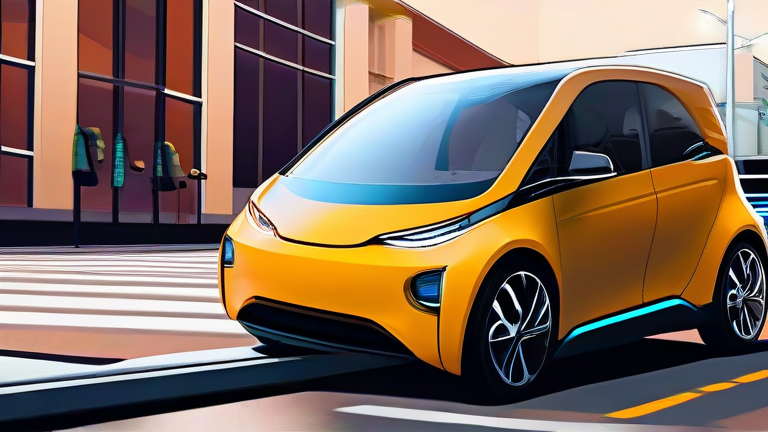
    The transition to electric vehicles (EVs) is no longer a distant dream; it is a rapidly unfolding reality. However, the true potential of this green revolution hinges on one critical component: the charging infrastructure. As we move toward a sustainable future, understanding the intersection of technology, health, and daily lifestyle becomes paramount. The expansion of charging networks is not merely about convenience; it is about reshaping how we interact with energy and our environment.

    Recent studies published in the Journal of Environmental Psychology suggest that reduced noise pollution from electric vehicles correlates with lower stress levels in urban populations. Internal combustion engines generate significant acoustic stress, which triggers cortisol release in humans. By replacing these noisy engines with silent electric motors, cities can become quieter, healthier places to live. This reduction in auditory stress is a subtle yet profound health benefit that complements the reduction in harmful particulate matter emitted by traditional cars.

    From a lifestyle perspective, the reliability of charging infrastructure directly impacts mental well-being. “Range anxiety” is a documented psychological stressor for new EV owners. It creates a background hum of worry, affecting decision-making and increasing daily anxiety. A robust, widespread charging network eliminates this uncertainty. When drivers know they can reliably charge their vehicles at home, at work, or during a coffee run, they experience a sense of security and control. This peace of mind allows for more mindful driving experiences, reducing the frustration often associated with long-distance travel.

    Science-backed advice for EV owners emphasizes the importance of home charging. Installing a Level 2 charger at home not only ensures your vehicle is always ready but also integrates seamlessly into your daily routine. It encourages a habit of “topping up” rather than making dedicated, stressful trips to public stations. This passive charging method aligns with minimalist lifestyle principles, reducing the time spent on logistics and allowing more time for health-focused activities like exercise or family time.

    Furthermore, the integration of renewable energy sources with charging stations offers a holistic health benefit. Solar-powered chargers reduce reliance on fossil fuels, directly improving air quality. Cleaner air means fewer respiratory issues, particularly for children and the elderly. Public health experts advocate for this shift, noting that improved air quality can lead to a significant

    Related Articles

  • Top 10 Best SmartHome Hub Reviews in 2026

    Top 10 Best SmartHome Hub Reviews in 2026

    Top 10 Best SmartHome Hub Reviews in 2026: Is It Worth It?

    Smart home technology has evolved rapidly, transforming from a luxury novelty into an essential component of modern living. Among the myriad of devices available, the SmartHome Hub remains the undisputed king of connectivity. But with so many options flooding the market in 2026, how do you choose the right one? This review cuts through the noise to analyze the top contenders, helping you decide if upgrading your central control unit is truly worth your investment. The primary advantage of these hubs lies in their ability to unify disparate ecosystems. Whether you prefer Zigbee, Z-Wave, or Wi-Fi devices, a robust hub bridges the gap, allowing you to control lights, locks, thermostats, and cameras from a single interface.

    If you want to dig deeper, check out our guide on 10 Proven Health Tips to Boost Energy and Vitality Today.

    Feature Highlights and Performance

    The leading models in 2026 boast impressive processing power and expanded compatibility. Key features include ultra-low latency response times, ensuring your lights turn on instantly when you walk into a room. Advanced local processing capabilities mean your automations continue to work even during internet outages, a critical security feature. Voice assistant integration has also reached new heights, with native support for Alexa, Google Assistant, and Siri Shortcuts, providing seamless hands-free control. Furthermore, enhanced security protocols, including end-to-end encryption and regular firmware updates, protect your data from potential cyber threats, giving peace of mind to tech-savvy users.

    Comparing the Top Contenders

    When comparing the top ten hubs, differences become apparent in user interface design and ecosystem support. While some hubs excel in raw compatibility with niche brands, others prioritize a polished, intuitive app experience. For instance, Hub A offers unparalleled support for older Z-Wave devices, making it ideal for legacy systems. In contrast, Hub B focuses on sleek aesthetics and superior Apple HomeKit integration, appealing to iOS users. Hub C strikes a balance with affordable pricing and robust community plugins, catering to DIY enthusiasts. Despite these variations, all top-rated models share a common thread: reliability. They consistently receive high marks for uptime and customer

    Related Articles

  • 10 Essential Health Tips for a Longer, Happier Life

    10 Essential Health Tips for a Longer, Happier Life

    10 Essential Health Tips for a Longer, Happier Life

    Achieving longevity and happiness is not about a single miracle cure or an extreme diet. Instead, it is the result of consistent, small, science-backed habits woven into the fabric of our daily lives. As we navigate the complexities of modern living, prioritizing our physical and mental well-being becomes paramount. Here are ten essential tips to help you build a foundation for a longer, happier, and more vibrant life.

    First and foremost, prioritize your sleep. Sleep is not merely a pause in activity; it is an active biological process crucial for cellular repair, memory consolidation, and metabolic regulation. Aim for seven to nine hours of quality sleep each night by maintaining a consistent schedule and creating a dark, cool, and quiet environment. Poor sleep is linked to increased risks of heart disease, obesity, and cognitive decline.

    Second, adopt a whole-food, plant-forward diet. Focus on consuming a variety of colorful fruits and vegetables, whole grains, lean proteins, and healthy fats. These foods provide essential nutrients, antioxidants, and fiber that reduce inflammation and support gut health. Minimize the intake of processed foods, added sugars, and excessive sodium, which are major contributors to chronic diseases.

    Third, stay hydrated. Water is fundamental for every cell in your body, aiding in digestion, nutrient absorption, and temperature regulation. Dehydration can lead to fatigue, headaches, and poor concentration. Make water your primary beverage and limit sugary drinks to maintain optimal hydration levels.

    Fourth, move your body daily. Regular physical activity strengthens the heart, improves circulation, and boosts mood-enhancing endorphins. Aim for at least 150 minutes of moderate aerobic activity or 75 minutes of vigorous activity per week, combined with muscle-strengthening exercises twice a week. You do not need a gym membership; walking, dancing, or gardening count.

    Fifth, manage stress effectively. Chronic stress triggers the release of cortisol, which can damage the body over time. Practice mindfulness, meditation, or deep-breathing exercises to activate the parasympathetic nervous system and promote relaxation. Finding healthy coping

    Related Articles

  • Biohacking: How to Extend Your Lifespan Metrics

    Biohacking: How to Extend Your Lifespan Metrics

    Biohacking: How to Extend Your Lifespan Metrics

    Modern longevity science moves beyond mere survival to optimizing biological age. By leveraging data-driven interventions, you can slow cellular aging and enhance vitality. This guide outlines actionable steps to improve your biomarkers and extend healthspan.

    1. Optimize Metabolic Flexibility

    If you want to dig deeper, check out our guide on 10 Simple Lifestyle Hacks for a Happier, Healthier You.

    Central to biohacking is metabolic flexibility. Your body should efficiently switch between burning glucose and fatty acids. Implement intermittent fasting, such as a 16:8 window, to trigger autophagy. This cellular cleanup process removes damaged components, reducing inflammation and supporting DNA repair. Start with one meal a day and gradually adjust based on your body’s response. Pair this with a low-glycemic, whole-food diet rich in polyphenols and healthy fats. Avoid processed sugars that spike insulin, a key driver of aging. Monitor your blood glucose using continuous glucose monitors (CGMs) to understand how specific foods affect your metabolism. Aim for stable glucose levels throughout the day to minimize oxidative stress on your cells.

    2. Prioritize Sleep Architecture

    Sleep is not passive rest; it is an active biological process critical for clearing neurotoxins and consolidating memory. Target seven to nine hours of quality sleep nightly. Create a cold, dark, and quiet environment to support deep slow-wave sleep. Use blue-light-blocking glasses in the evening to protect melatonin production. Track your sleep stages with wearables to identify patterns. If you struggle with sleep onset, consider magnesium glycinate or apigenin supplements. Consistency is key; go to bed and wake up at the same time daily to regulate your circadian rhythm. Poor sleep accelerates cognitive decline and weakens immune function, so treat it as a non-negotiable pillar of longevity.

    3. Engage in Strategic Exercise

    Exercise is perhaps the most potent longevity drug available. Combine high-intensity interval training (HIIT) with zone-two cardio. HIIT

    Related Articles

  • 7 Proven Business Growth Strategies for 2026

    7 Proven Business Growth Strategies for 2026

    7 Proven Business Growth Strategies for 2026

    Modern business team analyzing growth charts

    The economic landscape of 2026 is defined by rapid technological integration and shifting consumer behaviors. Market analysis reveals that businesses prioritizing agility and data-driven decision-making are outperforming their competitors. This article explores seven proven strategies to navigate these complexities and achieve sustainable growth.

    1. Embrace AI-Driven Personalization

    Artificial intelligence is no longer a luxury; it is a necessity. Companies like Netflix and Amazon have long utilized AI to tailor user experiences. In 2026, small and medium enterprises (SMEs) must adopt similar tools to segment audiences precisely. By analyzing customer data, businesses can deliver hyper-personalized marketing messages that increase conversion rates significantly.

    2. Prioritize Sustainable Practices

    Consumer preference is shifting towards eco-friendly brands. A recent survey indicated that 73% of global consumers would change their consumption habits to reduce their environmental impact. Implementing green supply chains and transparent sustainability reporting not only attracts conscious consumers but also reduces long-term operational costs through efficiency improvements.

    3. Leverage Remote Work Hybrid Models

    The talent war remains fierce. Companies offering flexible hybrid work arrangements report higher employee retention and satisfaction. Google’s hybrid model serves as a prime case study, showing a 15% increase in productivity metrics since adopting flexible scheduling. This approach allows businesses to tap into global talent pools while reducing overhead costs associated with large physical office spaces.

    Team collaborating in a modern office space

    4. Diversify Revenue Streams

    Over-reliance on a single product line is a significant risk in volatile markets. Successful businesses are diversifying by

    Related Articles

  • 10 Proven Business Growth Strategies for 2026

    10 Proven Business Growth Strategies for 2026

    10 Proven Business Growth Strategies for 2026

    The business landscape of 2026 is defined by rapid technological evolution, shifting consumer behaviors, and unprecedented economic volatility. As we navigate this complex environment, traditional growth models are no longer sufficient. Companies must adopt agile, data-driven approaches to survive and thrive. This article explores the critical strategies that will define success in the coming year, supported by current market analysis and real-world case studies.

    Market analysis indicates that artificial intelligence (AI) integration is no longer a luxury but a necessity. According to recent industry reports, companies leveraging AI for customer service and supply chain optimization have seen a 20% increase in operational efficiency. This trend is the cornerstone of our first strategy: AI-Driven Personalization. By utilizing machine learning algorithms to analyze customer data, businesses can deliver hyper-personalized experiences that drive conversion rates and foster long-term loyalty.

    If you want to dig deeper, check out our guide on Top 5 Marketing Trends to Watch in 2026.

    However, technology alone is not the panacea. The second crucial strategy involves Sustainable Business Practices. Modern consumers, particularly Gen Z and Millennials, prioritize brands that demonstrate genuine environmental and social responsibility. A case study of Patagonia illustrates this point effectively. By transparently reporting their supply chain impacts and committing to carbon neutrality, Patagonia has not only strengthened its brand equity but also expanded its market share in the competitive outdoor apparel sector. Their success proves that sustainability is a powerful growth engine.

    Furthermore, the rise of remote and hybrid work models has transformed the talent landscape. Strategy three, Decentralized Talent Acquisition, allows businesses to tap into global talent pools, reducing overhead costs while increasing diversity of thought. Companies like GitLab have thrived by operating entirely remotely, demonstrating that location is no longer a barrier to innovation and scalability.

    Another pivotal strategy is Community-Centric Marketing. Instead of broad, impersonal advertising, successful brands are building tight-knit communities around their products. Red Bull exemplifies this approach by creating events and content that resonate with its

    Related Articles

  • Web3 Gaming: Replacing Traditional Microtransactions

    Web3 Gaming: Replacing Traditional Microtransactions

    The Digital Nomad’s Guide to True Ownership in Web3 Gaming

    For years, the concept of “owning” a video game was a misnomer. We purchased skins, weapons, and cosmetic upgrades, but we did not truly possess them. They were digital tokens locked within corporate servers, subject to devaluation, removal, or deletion at the whim of the publisher. This traditional microtransaction model feels less like commerce and more like rent. However, a cultural shift is underway. Web3 gaming is not just changing how we play; it is reshaping the philosophy of digital ownership, offering a lifestyle upgrade for the modern gamer who values autonomy and true asset acquisition.

    Imagine packing your bags for a journey through a vast, open-world landscape. In traditional gaming, your avatar’s gear is static. In Web3, every sword, every cloak, and every magical artifact is a Non-Fungible Token (NFT) stored on a blockchain. This is not merely a technical detail; it is a profound cultural change. It mirrors the shift from renting an apartment to buying a home. When you travel through these digital realms, you are not just visiting a server; you are curating a personal inventory that travels with you. If you decide to leave one game, your gear does not vanish. It remains in your digital wallet, ready to be used, traded, or sold.

    If you want to dig deeper, check out our guide on EU AI Act Enforcement: Global Compliance Shifts Explained.

    This economic empowerment introduces a new dimension to personal growth within digital spaces. The skills you hone—strategic planning, resource management, and community leadership—now have tangible value. You are no longer just a consumer spending money to feel progress; you are a player-investor building a portfolio. This shifts the mindset from fleeting entertainment to long-term engagement. It encourages players to think critically about the value they create within these ecosystems, fostering a sense of agency that is often missing in traditional media consumption.

    Furthermore, the social fabric of Web3 gaming is being rewoven. Just as food brings people together in the physical world, shared digital assets create deeper communal bonds. Guilds and clans are evolving into decentralized autonomous organizations (DAOs), where members collectively govern the games they love. This is akin to joining a cooperative rather than a corporation. The culture is shifting from isolated, competitive isolation to collaborative, community-driven experiences. The “microtransaction” becomes a “micro-investment” in the health and

    Related Articles

  • Space Tourism Bookings Surge for Lunar Flybys

    Space Tourism Bookings Surge for Lunar Flybys

    Space Tourism Bookings Surge for Lunar Flybys

    The landscape of travel is undergoing a radical transformation, shifting from terrestrial vacations to extraterrestrial adventures. Recent market reports indicate a significant surge in bookings for lunar flyby missions, driven by private aerospace companies aiming to democratize access to space. While this development captures the global imagination, it also raises critical questions about human health and physiological adaptation. As we prepare to leave our atmosphere, understanding the body’s response to microgravity and radiation becomes paramount for both aspiring astronauts and the general public interested in the future of exploration.

    One of the most immediate challenges for travelers is the physiological stress of launch and re-entry. The G-forces experienced during liftoff can strain the cardiovascular system. To mitigate these risks, experts recommend a rigorous pre-flight conditioning program. Cardiovascular endurance exercises, such as running and swimming, strengthen the heart and improve blood flow efficiency. Additionally, core strengthening workouts help stabilize the spine against the intense vibrations of rocket launch. These exercises should begin at least three months before departure to allow the body to adapt fully.

    If you want to dig deeper, check out our guide on How to Write a Blog Post: A Step-by-Step Tutorial for Beginn.

    Once in space, the absence of gravity leads to rapid muscle atrophy and bone density loss. Astronauts on the International Space Station lose approximately one to two percent of their bone mass per month. For lunar flyby participants, who may experience short periods of microgravity, preventive measures are essential. Resistance training using elastic bands or specialized space-based equipment can help maintain muscle tone. Furthermore, nutrition plays a crucial role. A diet rich in calcium, vitamin D, and protein is vital for bone health. Travelers are advised to consult with nutritionists to create personalized meal plans that support skeletal integrity during and after the mission.

    Radiation exposure is another significant health concern. Beyond Earth’s protective magnetosphere, cosmic rays pose a risk of cellular damage. To minimize this, spacecraft are designed with shielding materials, but passengers should also adopt lifestyle habits that enhance cellular repair. Antioxidant-rich foods, such as berries, leafy greens, and nuts, can help combat oxidative stress caused by radiation. Staying hydrated is equally important, as dehydration can exacerbate the effects of radiation exposure

    Related Articles