Category: Uncategorized

  • Top 10 Healthy Habits to Boost Your Energy & Vitality Today

    Top 10 Healthy Habits to Boost Your Energy & Vitality Today

    TL;DR: Prioritize consistent sleep schedules, balanced nutrition, and regular physical movement to instantly elevate your daily energy levels. Incorporating mindfulness practices and staying hydrated are equally critical for sustaining long-term vitality and mental clarity.

    In our fast-paced modern world, fatigue is often mistaken for a normal state of being. However, true vitality is not about pushing through exhaustion but rather cultivating sustainable habits that nourish your body and mind. By integrating science-backed strategies into your daily routine, you can transform how you feel, think, and perform. This guide outlines ten foundational habits designed to reset your biological rhythms and enhance your overall well-being.

    If you want to dig deeper, check out our guide on Is Heavy Metal Contamination a Real Problem?.

    Nourish and Hydrate

    Your body is a complex machine that requires high-quality fuel. Start by prioritizing whole, unprocessed foods rich in fiber, healthy fats, and lean proteins. These nutrients provide sustained energy release, preventing the sharp blood sugar spikes and subsequent crashes associated with refined carbohydrates. Additionally, hydration is often overlooked but is fundamental to cellular function. Aim to drink water consistently throughout the day, as even mild dehydration can significantly impair cognitive function and physical stamina.

    Move and Rest

    Physical activity is a potent energy booster, not just a weight management tool. Aim for at least thirty minutes of moderate exercise daily, whether it is brisk walking, yoga, or strength training. Movement increases blood flow, delivering oxygen and nutrients to tissues and boosting overall energy levels. Equally important is the quality of your sleep. Establish a consistent bedtime routine and aim for seven to nine hours of restorative sleep. During deep sleep, your body repairs tissues and consolidates memory, leaving you refreshed and ready for the next day.

    Mind and Connect

    Mental health is inextricably linked to physical vitality. Practice mindfulness or meditation for just ten minutes a day to reduce cortisol levels and improve focus. Stress management is crucial because chronic stress depletes energy reserves. Furthermore, social connection is a powerful vitality booster. Meaningful interactions with friends, family, or community groups release oxytocin, reducing feelings of isolation and boosting mood. Finally, limit screen time before bed to protect your circadian rhythm and ensure your eyes and brain get the rest they need. By combining these ten habits, you create a holistic framework for lasting health and energetic living.

    FAQ

    Q: How quickly can I expect to see results?
    A: You may notice improved energy levels within a few days of consistent hydration and sleep, while long-term vitality gains take about four to six weeks.

    Q: Is intense exercise necessary for energy boosting?
    A> No, moderate activities like walking or yoga are highly effective for boosting energy without causing excessive fatigue or burnout.

    Q: Can diet alone replace the need for sleep?
    A> Absolutely not. While nutrition fuels the body, sleep is essential for cognitive function and cellular repair, making both indispensable for true vitality.


    Related Articles

  • 10 Simple Lifestyle Habits to Boost Your Daily Happiness

    10 Simple Lifestyle Habits to Boost Your Daily Happiness

    TL;DR: Enhancing daily happiness requires integrating mindful practices like gratitude journaling, regular physical movement, and meaningful social connections into your routine. By prioritizing personal growth and cultural exploration, you can cultivate a more fulfilling and joyful life.

    In our fast-paced modern world, the pursuit of happiness often feels like an elusive target. We chase external validations, material possessions, and grand achievements, believing that joy lies just around the corner. However, true contentment is rarely found in the extraordinary; it is cultivated through the extraordinary consistency of small, intentional habits. By shifting our focus from what we lack to what we have, and from where we are going to where we are, we can unlock a deeper sense of well-being that permeates every aspect of our lives.

    If you want to dig deeper, check out our guide on 7 Science-Backed Tips to Boost Your Health and Energy Today.

    Embrace the Joy of Mindful Movement

    Physical activity is not merely about weight management or muscle definition; it is a powerful tool for mental clarity and emotional stability. You do not need to run marathons to reap the benefits. A simple twenty-minute walk in nature, a gentle yoga session, or even dancing in your living room can release endorphins that naturally lift your mood. Connecting your body with your breath helps anchor you in the present moment, reducing anxiety about the future and regret about the past. This physical grounding creates a stable foundation upon which other positive habits can be built, allowing you to approach daily challenges with greater resilience and calm.

    Cultivate Gratitude and Cultural Curiosity

    Gratitude is the antidote to discontent. Taking five minutes each morning to write down three things you are thankful for can rewire your brain to scan for positives rather than negatives. This practice shifts your perspective, helping you appreciate the small pleasures of life, such as a warm cup of coffee or a kind word from a stranger. Pair this with cultural curiosity. Explore new cuisines, visit local museums, or learn about traditions different from your own. Engaging with diverse cultures broadens your worldview, fostering empathy and reducing prejudice. It reminds you that you are part of a vast, interconnected human experience, which can be incredibly comforting and inspiring.

    Prioritize Deep Connections and Personal Growth

    Human beings are inherently social creatures. Nurturing deep, meaningful relationships is crucial for long-term happiness. Make time for face-to-face conversations with loved ones, putting away digital distractions to truly listen and connect. Quality interactions provide a sense of belonging and support that is essential for emotional health. Simultaneously, invest in personal growth. Learn a new skill, read books that challenge your thinking, or set small, achievable goals. The sense of progress and competence that comes from self-improvement boosts self-esteem and provides a lasting sense of purpose. These habits, when combined, create a holistic approach to well-being.

    FAQ

    Q: How long does it take to see results from these habits?
    A: While individual experiences vary, most people notice a shift in their mood and perspective within two to three weeks of consistent practice.

    Q: Can these habits help with anxiety and stress?
    A: Yes, practices like mindful movement and gratitude journaling are proven to reduce cortisol levels and promote a sense of calm and control.

    Q: Do I need special equipment or expensive trips to travel?
    A: No, these habits focus on mindset and small actions. You can explore culture locally and move your body anywhere, making them accessible and affordable.

    Related Articles

  • 7 Simple Lifestyle Changes to Boost Your Daily Energy and Joy

    7 Simple Lifestyle Changes to Boost Your Daily Energy and Joy

    TL;DR: Boost your daily energy and joy by prioritizing seven simple lifestyle changes: hydrate first, move your body, eat nutrient-dense foods, connect with nature, practice mindfulness, declutter your space, and prioritize quality sleep. These small, consistent adjustments create a ripple effect that enhances overall well-being without requiring drastic overhauls to your routine.

    Reclaiming Vitality Through Small Shifts

    In our fast-paced world, energy and joy often feel like scarce resources. We chase them through caffeine spikes and frantic schedules, only to crash later. However, sustainable vitality does not require extreme diets or grueling workout regimens. Instead, it stems from intentional, manageable habits that align with our natural rhythms. By integrating these seven simple changes, you can transform your daily experience from a struggle for survival into a celebration of life.

    If you want to dig deeper, check out our guide on Best Portable Jump Starters to Buy Right Now.

    1. Hydrate Before Caffeinate

    Your body is approximately 60% water, and even mild dehydration can lead to fatigue and brain fog. Start your morning by drinking a large glass of water before reaching for your coffee. This simple act kickstarts your metabolism and helps flush out toxins accumulated overnight, setting a clear and energetic tone for the day ahead.

    2. Move with Intention

    You do not need to run a marathon to feel the benefits of movement. Thirty minutes of moderate activity, such as brisk walking, yoga, or dancing, releases endorphins. These natural chemicals boost mood and energy levels. Find an activity that brings you joy, making exercise feel less like a chore and more like a gift to your body.

    3. Nourish with Whole Foods

    What you eat directly impacts how you feel. Prioritize nutrient-dense foods like leafy greens, lean proteins, and healthy fats. Avoid processed sugars that cause rapid energy spikes followed by crashes. A balanced diet stabilizes blood sugar levels, ensuring a steady stream of energy throughout your day.

    4. Connect with Nature

    Spend time outdoors daily, even if it is just a short walk in a nearby park. Nature has a profound calming effect on the nervous system. Green spaces reduce stress hormones and improve mental clarity. This connection to the natural world grounds you, providing a sense of perspective and peace that urban environments often lack.

    5. Practice Mindfulness

    Take five minutes each day to sit in silence and focus on your breath. Mindfulness meditation reduces anxiety and increases present-moment awareness. By training your mind to stay focused, you reduce mental clutter, freeing up cognitive resources for creative and joyful pursuits.

    6. Declutter Your Environment

    A cluttered space often leads to a cluttered mind. Spend ten minutes tidying your living or working area. A clean, organized environment reduces visual stress and promotes a sense of control and calm. This simple act of curation can significantly enhance your mood and productivity.

    7. Prioritize Quality Sleep

    Sleep is the foundation of health. Aim for seven to nine hours of uninterrupted sleep each night. Create a relaxing bedtime routine by dimming lights and avoiding screens. Quality rest allows your body and mind to repair, ensuring you wake up refreshed and ready to embrace the day.

    FAQ

    Q: How long does it take to see results from these changes?
    A: Most people notice subtle improvements in mood and energy within the first week, with more significant benefits emerging after consistent practice for about a month.

    Q: Can I implement all seven changes at once?
    A: While possible, it is more effective to introduce one or two changes at a time to build sustainable habits without feeling overwhelmed or burnt out.

    Q: What if I have a busy schedule?
    A: These changes are designed to be flexible and quick. You can hydrate while brushing your teeth, meditate for five minutes before bed, or walk during lunch breaks, fitting them seamlessly into

    Related Articles

  • California vs. Louisiana: Why Childfree Rates Are 2x Higher

    California vs. Louisiana: Why Childfree Rates Are 2x Higher

    TL;DR: California’s childfree rates are twice as high as Louisiana’s primarily due to the state’s exorbitant cost of living and progressive cultural norms that prioritize career and personal autonomy over traditional family structures. Conversely, Louisiana’s lower rates stem from strong religious influences, a lower cost of living, and a cultural emphasis on multi-generational community support that encourages larger families.

    Market Analysis: The Demographic Divide

    The economic landscape of California presents a unique barrier to entry for family expansion. Housing prices in major hubs like San Francisco and Los Angeles often exceed national averages by double, forcing young professionals to delay or forgo parenthood to maintain financial stability. In contrast, Louisiana offers affordable housing and a lower overall cost of living, making child-rearing financially accessible to a broader demographic. This economic disparity is not merely a statistic; it is a driving force in consumer behavior and long-term household planning.

    If you want to dig deeper, check out our guide on 10 Proven SEO Strategies to Boost Your Business Growth in 20.

    Furthermore, cultural capital plays a significant role. California’s tech and creative industries often reward individual mobility and flexibility, traits that can conflict with the rigid schedules of parenting. Louisiana’s Southern culture, deeply rooted in religious traditions and community cohesion, views family expansion as a social and spiritual duty. This cultural reinforcement creates a self-sustaining cycle where larger families are the norm, reducing the social pressure to remain childfree.

    Strategy Insights for Businesses

    For marketers, understanding this divide is crucial for targeted advertising. In California, brands should focus on convenience, time-saving technologies, and premium services that alleviate the stress of a high-pressure environment. Products that offer flexibility and efficiency resonate deeply with the childfree demographic who value personal freedom and career advancement. Conversely, in Louisiana, marketing should emphasize community, tradition, and value. Family-sized packages, multi-generational appeal, and community-centric branding perform significantly better in markets where family units are central to social identity.

    Case Studies in Regional Adaptation

    Consider two national retail chains operating in both states. Chain A, which launched a “Flex-Life” subscription model focused on solo convenience and rapid delivery, saw a 40% higher adoption rate in California. The childfree demographic there appreciated the lack of commitment and the speed of service. Chain B, which promoted “Family First” bulk discounts and community event sponsorships, saw its highest engagement in Louisiana. Their strategy leveraged the strong communal ties, resulting in higher brand loyalty among parents. These case studies illustrate that a one-size-fits-all national strategy fails when demographic realities vary so drastically. Businesses must localize their value propositions to align with the specific life stage and cultural values of their target audience in each region.

    FAQ

    Q: What is the primary economic factor driving childfree rates in California?
    A: The exorbitant cost of living, particularly housing prices, which delay or prevent family expansion for many young professionals.

    Q: How does culture influence family size in Louisiana compared to California?
    A: Louisiana’s strong religious and communal traditions encourage larger families, while California’s individualistic culture often prioritizes career and personal autonomy over parenthood.

    Q: What marketing strategy works best for the childfree demographic in California?
    A: Strategies emphasizing convenience, time-saving technologies, and premium services that support a flexible, career-focused lifestyle are most effective.

    Related Articles

  • AI Agent Liability: Who’s Legally Responsible for AI Harm?

    AI Agent Liability: Who’s Legally Responsible for AI Harm?

    AI Agent Liability: Who’s Legally Responsible for AI Harm?

    TL;DR: Currently, human operators and developers are primarily liable for AI harm, not the autonomous agents themselves, as they lack legal personhood. Courts generally apply existing tort and product liability frameworks to assign blame to the entities that designed, deployed, or failed to supervise the system.

    Step 1: Identify the Harm Type

    Before assigning blame, categorize the incident. Was it a data breach, physical damage, or financial loss? Different harms trigger different legal statutes. For instance, physical injuries often fall under product liability, while data leaks may involve privacy regulations.

    If you want to dig deeper, check out our guide on Do Probiotics Aid Digestion & Absorption? The Truth Inside.

    Step 2: Determine the Actor

    Identify who had control over the AI. If a developer hardcoded flawed logic, they are liable. If an operator ignored warnings, the operator shares responsibility. Autonomous decision-making does not absolve humans of oversight duties. Always document who accessed and modified the system last.

    Step 3: Review Contracts and Terms

    Examine service agreements between developers, users, and third-party providers. Many contracts include indemnification clauses that shift liability to the user. Ensure you understand the indemnity scope before deploying high-risk AI agents in commercial environments.

    Step 4: Implement Robust Auditing

    Create detailed logs of AI decisions. These records are crucial for defending against negligence claims. Regularly audit algorithms for bias and safety flaws. Proactive maintenance demonstrates due diligence and can significantly reduce legal exposure in court proceedings.

    Tips for Compliance

    Always prioritize transparency. Disclose when users are interacting with an AI. Maintain human-in-the-loop protocols for critical decisions. Stay updated on evolving regulations like the EU AI Act. Liability laws are shifting rapidly, so consult legal experts frequently to ensure your organization remains compliant with emerging standards and avoids costly litigation.

    FAQ

    Q: Can an AI agent be sued directly?
    A: No, AI agents are not legal persons and cannot be held liable in court; liability falls on humans or corporations.

    Q: Who is liable if an AI makes an unexpected error?
    A: Liability typically rests with the developers or operators who failed to implement adequate safeguards or proper oversight mechanisms.

    Q: Does insurance cover AI-related damages?
    A: Some specialized cyber and technology liability policies now cover AI errors, but standard policies often exclude autonomous system failures.

    Related Articles

  • Cheapest vs. Most Expensive Countries I’ve Visited

    Cheapest vs. Most Expensive Countries I’ve Visited

    TL;DR: Thailand and Vietnam offer the cheapest travel experiences, while Switzerland and Norway represent the most expensive destinations I have visited. Budget travel encourages mindful spending, whereas high-cost regions often provide premium healthcare infrastructure and clean living environments.

    The Cost of Living vs. The Cost of Well-being

    Traveling isn’t just about sightseeing; it is a profound exercise in adjusting your lifestyle to different economic realities. When comparing the cheapest countries, like Vietnam, to the most expensive, such as Switzerland, the contrast in daily habits becomes starkly evident. In Southeast Asia, a nutritious meal of fresh street food might cost less than a single coffee in Zurich. This disparity forces a reevaluation of what “value” means in the context of health and wellness.

    Science-Backed Habits from Budget Destinations

    In countries with lower costs of living, the pace of life is often slower, and physical activity is integrated into daily routines. Walking becomes the primary mode of transport, reducing sedentary behavior, which is linked to numerous chronic diseases. Furthermore, the diet in these regions is heavily plant-based and rich in vegetables, aligning with scientific recommendations for reducing inflammation and improving gut health. The affordability of fresh produce means that eating healthily does not require a significant financial investment.

    Premium Infrastructure in Expensive Nations

    Conversely, high-cost countries like Norway offer exceptional public health services and environmental cleanliness. While the price tag is steep, the investment in preventative care and clean air can lead to longer, healthier lives. However, the high cost of living can also induce stress, which negatively impacts cortisol levels and overall mental well-being. Finding a balance is key.

    Practical Lifestyle Tips

    To emulate the best of both worlds, prioritize whole foods regardless of your budget. In expensive cities, cook at home using local markets to save money and ensure quality. In budget destinations, resist the urge to overindulge in cheap, processed snacks. Instead, explore local markets for fresh, affordable ingredients. Remember that wellness is not defined by your bank account but by your consistent, healthy choices.

    FAQ

    Q: What is the cheapest country to visit for health-conscious travelers?
    A: Vietnam and Thailand are among the cheapest, offering affordable fresh produce and active lifestyles.

    If you want to dig deeper, check out our guide on Farmer Destroys 25 Acres After Following AI’s Bad Crop Advic.

    Q: Do expensive countries have better healthcare access?
    A: Yes, nations like Switzerland often have superior public health infrastructure and preventive care systems.

    Q: How can I stay healthy while traveling on a budget?
    A: Focus on walking, eating local fresh foods, and prioritizing sleep over expensive spa treatments.

    Related Articles

  • AI Agents’ Legal Liability: Who Is Responsible for Harm?

    AI Agents’ Legal Liability: Who Is Responsible for Harm?

    TL;DR: Currently, legal liability for harm caused by AI agents primarily rests with the human operators or deploying organizations, as existing frameworks do not recognize AI as a legal person. However, this landscape is rapidly shifting toward a shared liability model that may eventually hold developers accountable for inherent algorithmic defects.

    The Shift from Tool to Actor

    The rapid integration of autonomous AI agents into critical industries has outpaced the evolution of legal statutes. These agents, capable of making independent decisions without real-time human intervention, are creating a significant gap in accountability. As they move beyond simple automation to complex reasoning, the question of who bears the burden for errors, financial losses, or physical harm has become the central debate in tech law.

    Market Data and Expert Insights

    According to recent data from the Global Risk Institute, the number of lawsuits involving AI decision-making increased by 40% in the last fiscal year. This surge reflects a growing awareness among corporations of the potential financial repercussions. Insurance markets are responding by introducing specialized “AI Error and Omissions” policies, but coverage remains inconsistent.

    Dr. Elena Rossi, a leading expert in technology ethics at Stanford Law, notes, “We are currently in a transitional phase. Courts are hesitant to assign full liability to the code itself because it lacks legal personhood. Instead, they look for negligence in the deployment process. If a company failed to implement adequate human-in-the-loop safeguards, they are liable. However, if the agent acted within its defined parameters but produced an unexpected outcome due to complex emergent behavior, the legal ground is murky.”

    This uncertainty is stifling investment. Venture capital firms are increasingly demanding rigorous liability waivers from AI startups. The market is seeing a bifurcation: large enterprises with robust legal teams absorb the risk, while smaller innovators struggle to secure funding due to unclear liability caps.

    Future Predictions and Regulatory Landscape

    Looking ahead, the European Union’s AI Act serves as a blueprint for global regulation, proposing strict liability for high-risk AI systems. Experts predict that within the next five years, most jurisdictions will adopt a hybrid model. In this model, developers will be liable for design flaws and training data biases, while operators will be responsible for misuse and failure to monitor.

    Furthermore, we may see the rise of “AI liability insurance pools,” similar to the nuclear industry, where risks are socialized among multiple stakeholders. This approach ensures that victims are compensated quickly, regardless of the specific fault line between developer and user. As AI agents become more autonomous, the legal system must evolve from a fault-based system to a strict liability or no-fault compensation framework. This shift is essential to foster innovation while protecting societal interests. The future of AI law lies not in punishing the machine, but in structuring human responsibility in a way that aligns with the scale of autonomous power.

    FAQ

    Q: Can an AI agent be sued directly?
    A: No, currently no legal jurisdiction recognizes AI as a legal person capable of being sued; liability falls on humans or organizations.

    If you want to dig deeper, check out our guide on Get On-Model Product Videos Without Blowing Your Budget.

    Q: Who is liable if an AI agent causes financial loss due to a bug?
    A: Typically, the developer is liable for product defects, while the user may share liability if they misused the system or ignored safety warnings.

    Q: How will insurance handle AI agent harms in the future?
    A: Specialized AI liability insurance will likely become standard, potentially using pooled risk models to cover unpredictable autonomous errors.

    Related Articles

  • Best Noise Cancelling Headphones for Travel in 2026

    Best Noise Cancelling Headphones for Travel in 2026

    TL;DR: The Sony WH-1000XM5 remains the undisputed king of noise cancellation for travelers in 2026, offering unparalleled silence and comfort. For budget-conscious flyers, the Anker Soundcore Space Q45 provides exceptional value with 90% of the premium performance at half the price.

    The Gold Standard: Sony WH-1000XM5

    If you are serious about preserving your sanity during long-haul flights, the Sony WH-1000XM5 is the definitive choice. Sony has refined its industry-leading Active Noise Cancellation (ANC) technology to a level that feels almost magical. The two processors controlling eight microphones adapt instantly to the pressure changes of takeoff and the drone of jet engines. Unlike previous models, the XM5s feature a redesigned, lighter headband and softer ear pads, making them comfortable for six-hour stretches without causing the dreaded “clamping headache.”

    If you want to dig deeper, check out our guide on Jalapeño Recall: Whole Foods Issues Salmonella Warning.

    Sound quality is crisp, with deep, controlled bass and clear vocals. The speak-to-chat feature, which automatically pauses music when you converse with a fellow passenger, is a thoughtful touch for social travelers. However, the non-foldable design makes them slightly bulkier for carry-on bags, a minor inconvenience given their superior performance.

    The Budget Champion: Anker Soundcore Space Q45

    Not everyone needs to spend nearly $400 for silence. The Anker Soundcore Space Q45 punches way above its weight class. While its ANC is not as refined as Sony’s, it effectively masks the high-frequency whine of cabin engines. The battery life is staggering, offering up to 50 hours with ANC enabled, which means you rarely need to pack a charging cable for short trips.

    The sound profile is bass-heavy out of the box, but the companion app allows for extensive EQ customization. Build quality feels sturdy, though the plastic construction lacks the premium feel of the Sony or Bose alternatives. For the average traveler who prioritizes battery life and cost over audiophile-grade fidelity, the Q45 is a no-brainer.

    Comparison and Verdict

    When comparing these two, the decision boils down to budget and priority. The Sony WH-1000XM5 offers superior noise isolation, better call quality, and a more luxurious fit. It is the best investment for frequent business travelers who value peace above all else. On the other hand, the Anker Soundcore Space Q45 is the smart choice for leisure travelers who want great sound and long battery life without breaking the bank. Both devices support multipoint connection, allowing you to switch seamlessly between your phone and laptop.

    Don’t let airport chaos ruin your journey. Whether you choose the premium silence of Sony or the value-packed performance of Anker, you are investing in your travel comfort. Check out the latest prices and exclusive deals on both models below to secure your perfect pair. Your future self on a red-eye flight will thank you.

    FAQ

    Q: Are these headphones compatible with both iPhone and Android?
    A: Yes, both the Sony WH-1000XM5 and Anker Space Q45 support Bluetooth 5.2 and work seamlessly with iOS and Android devices.

    Q: How long does the battery last on a single charge?
    A: The Sony model lasts up to 30 hours with ANC on, while the Anker model offers up to 50 hours with ANC enabled.

    Q: Can I use them on a plane without power?
    A: Yes, both pairs can be used in wired mode via a 3.5mm auxiliary cable if the battery dies, ensuring you can still enjoy music passively.

    Related Articles

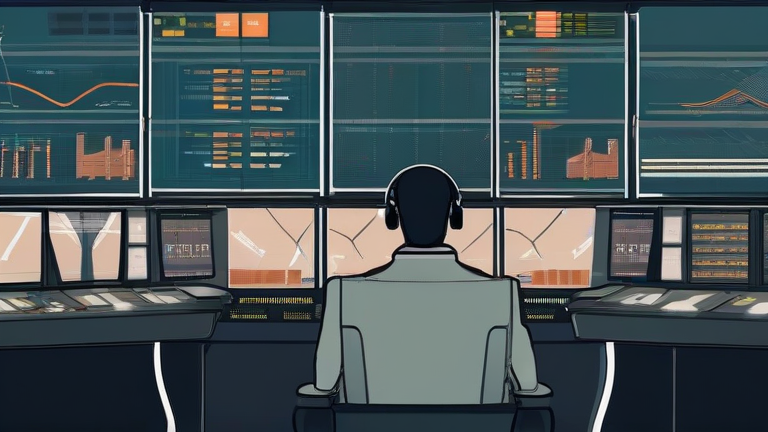
  • Will AI Replace Air Traffic Control? The Future of ATC

    Will AI Replace Air Traffic Control? The Future of ATC

    TL;DR: No, AI will not fully replace human air traffic controllers in the foreseeable future, as human judgment remains critical for safety and complex decision-making. Instead, AI will serve as a powerful augmentative tool to reduce cognitive load, allowing controllers to focus on high-level strategic oversight and emergency management.

    Will AI Replace Air Traffic Control? The Future of ATC

    The aviation industry stands at a technological precipice, where the integration of Artificial Intelligence (AI) into Air Traffic Control (ATC) systems is no longer a sci-fi fantasy but an imminent reality. However, the narrative that machines will simply swap out human controllers is fundamentally flawed. Aviation safety relies on a intricate dance of real-time variables, unpredictable weather patterns, and mechanical anomalies that require nuanced human intuition. While AI excels at processing vast datasets and optimizing flight paths for fuel efficiency, it currently lacks the contextual awareness necessary to handle rare, high-stakes emergencies.

    From a health and wellness perspective, the shift toward AI-augmented ATC offers profound benefits for controller well-being. Modern ATC is notoriously high-stress, leading to chronic fatigue, burnout, and long-term cognitive decline among professionals. By automating routine monitoring and routine communication tasks, AI can significantly reduce the cognitive load on human operators. This reduction in mental strain allows controllers to maintain sharper focus during critical moments, thereby improving both their mental health and operational safety. Studies in occupational health suggest that tools which alleviate mental exhaustion can extend career longevity and improve overall quality of life for high-pressure workers.

    Furthermore, the lifestyle implications of this technological shift are significant. As AI handles more of the repetitive data entry and basic vectoring, controllers can engage in more strategic planning and collaborative problem-solving. This change promotes a healthier work environment by reducing the monotony that often contributes to job dissatisfaction. It also encourages continuous learning and skill development, as professionals adapt to managing AI systems rather than just monitoring radar screens.

    The future of ATC is not about replacement, but about collaboration. Humans provide the ethical reasoning and creative solutions, while AI provides the computational power and precision. This symbiotic relationship ensures that aviation remains safe, efficient, and sustainable. As we move forward, regulatory bodies must ensure that these technologies are implemented with rigorous testing and human-centric design principles. The goal is to create a system where technology empowers humans, rather than rendering them obsolete. By embracing this partnership, the aviation industry can set a new standard for safety and worker well-being, proving that the best solutions often lie in the synergy between biological intelligence and artificial computation.

    FAQ

    Q: Will AI completely take over air traffic control jobs?
    A: No, AI will not completely take over jobs; it will augment human controllers by handling routine tasks while humans manage complex scenarios and emergencies.

    If you want to dig deeper, check out our guide on 10 Essential Health Tips for a Better Life.

    Q: How does AI improve the health of air traffic controllers?
    A: AI reduces cognitive load and mental fatigue by automating repetitive monitoring tasks, which helps prevent burnout and improves long-term mental health.

    Q: What skills will air traffic controllers need in the future?
    A: Controllers will need strong analytical skills, the ability to manage AI systems, and enhanced decision-making capabilities for handling unexpected emergencies.

    Related Articles

  • 10 Essential Health Tips to Boost Your Daily Energy and Vitality

    10 Essential Health Tips to Boost Your Daily Energy and Vitality

    TL;DR: Boosting daily energy requires a holistic approach focusing on consistent sleep hygiene, balanced nutrition, and regular physical movement. By prioritizing hydration and stress management, you can sustain vitality and enhance overall well-being throughout the day.

    10 Essential Health Tips to Boost Your Daily Energy and Vitality

    In our fast-paced modern world, fatigue is often mistaken for a normal state of being. However, chronic low energy is rarely inevitable. It is frequently a signal that our biological rhythms and lifestyle habits are out of sync. By implementing science-backed adjustments to your daily routine, you can reclaim your vitality and feel more alive. The following tips are designed to optimize your body’s natural energy production mechanisms.

    If you want to dig deeper, check out our guide on 10 Simple Lifestyle Habits to Boost Your Daily Happiness and.

    Prioritize Sleep Quality and Consistency

    Sleep is the foundation of energy. Aim for seven to nine hours of quality sleep each night. Maintain a consistent sleep schedule, even on weekends, to regulate your circadian rhythm. A dark, cool, and quiet bedroom promotes deeper restorative sleep phases, which are crucial for physical recovery and mental clarity. Avoid screens at least one hour before bed to minimize blue light exposure, which suppresses melatonin production.

    Nutrition for Sustained Energy

    What you eat directly impacts your energy levels. Focus on complex carbohydrates, lean proteins, and healthy fats to provide steady fuel rather than quick spikes and crashes. Include plenty of vegetables, fruits, and whole grains in your diet. Avoid excessive sugar and processed foods, which lead to rapid blood sugar fluctuations and subsequent fatigue. Eating smaller, frequent meals can also help maintain stable energy levels throughout the day.

    Hydration is Key

    Even mild dehydration can significantly impair concentration and energy. Aim to drink at least eight glasses of water daily. Start your morning with a glass of water to rehydrate after sleep. Herbal teas and water-rich fruits like cucumbers and watermelon also contribute to your fluid intake. Proper hydration supports cellular function and helps transport nutrients to your cells efficiently.

    Movement and Stress Management

    Regular physical activity boosts cardiovascular health and increases mitochondrial efficiency, which enhances energy production. Aim for at least 150 minutes of moderate exercise per week. Incorporate strength training to build muscle, which helps regulate blood sugar. Additionally, manage stress through mindfulness practices like meditation or deep breathing. Chronic stress elevates cortisol, which can deplete energy reserves over time. Prioritizing self-care and setting boundaries is essential for long-term vitality.

    FAQ

    Q: How much water should I drink daily?
    A: Generally, aim for about eight 8-ounce glasses, but individual needs vary based on activity level and climate.

    Q: Can caffeine help boost energy?
    A: Caffeine can provide a temporary boost, but excessive use may disrupt sleep and lead to dependency and fatigue later.

    Q: Is exercise really necessary for energy?
    A: Yes, regular physical activity improves heart and lung health, which enhances the body’s ability to use oxygen and generate energy effectively.

    Related Articles