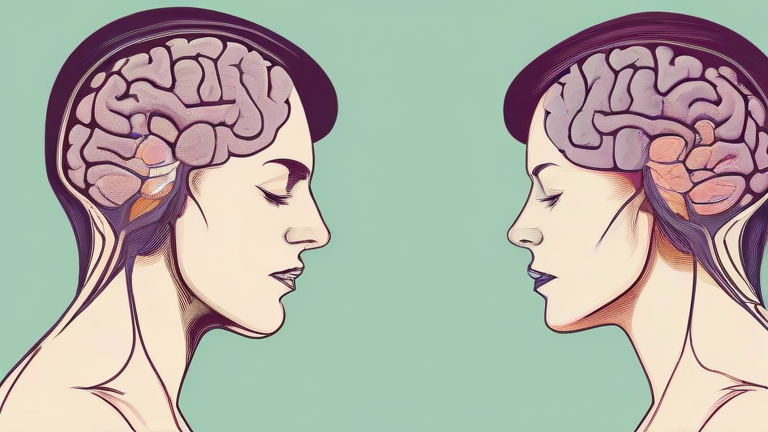
TL;DR: Recent neuroimaging studies confirm that frequent migraines are associated with accelerated structural aging in the hippocampus and amygdala, brain regions critical for memory and emotional regulation. This biological aging effect is distinct from normal chronological aging and suggests a need for early, proactive neurological care for migraine sufferers.
Migraines Linked to Accelerated Brain Aging in Memory & Emotion Areas
For decades, migraines were dismissed as merely severe, debilitating headaches. However, groundbreaking research has shifted this perspective, revealing that the condition may have profound, long-term impacts on brain health. The latest findings indicate that individuals suffering from chronic migraines exhibit signs of accelerated brain aging, specifically within the hippocampus and the amygdala. These areas are not just responsible for processing pain; they are the command centers for memory formation and emotional stability. Understanding this link is crucial for patients who want to protect their cognitive future.

The core feature of this new medical insight is the identification of specific vulnerability in neural structures. While the whole brain may show signs of wear and tear over time, the hippocampus and amygdala in migraine patients show a rate of shrinkage and tissue loss that exceeds what would be expected for their chronological age. This “accelerated aging” is not just a theoretical concept; it correlates with real-world symptoms. Patients often report increased difficulty with short-term memory recall and heightened emotional volatility, such as anxiety or depression, which are direct functions of these aged regions.
When comparing standard pain management with this new understanding, the difference is stark. Traditional approaches focus solely on acute pain relief during an attack. They do not address the underlying neurodegenerative processes. In contrast, a proactive strategy that includes preventive medication, lifestyle changes, and regular neurological monitoring aims to slow this aging process. By treating migraines as a systemic neurological disorder rather than a localized pain issue, patients can potentially preserve their cognitive reserve. This comparison highlights the importance of shifting from reactive to preventive care models.
The implications for daily life are significant. If your brain is aging faster in memory and emotion centers, your quality of life is at risk. It is not just about avoiding pain; it is about maintaining your identity, your memory of loved ones, and your emotional resilience. Therefore, seeking specialized care is not optional; it is a necessity for long-term brain health. Do not wait for symptoms to worsen before acting. Consult with a neurologist who specializes in headache medicine to discuss preventive strategies tailored to your specific brain health profile. Early intervention can make the difference between maintaining cognitive sharpness and succumbing to accelerated decline. Take control of your neurological destiny today by prioritizing comprehensive migraine management.
FAQ
Q: Can migraine medication reverse brain aging?
A: Current research suggests that preventive treatments can slow the rate of aging, but reversal is not yet fully proven; early intervention is key to preservation.
If you want to dig deeper, check out our guide on 2024 SEO Trends: Master the Latest Algorithm Updates & Strat.
Q: Do all migraine sufferers experience this brain aging?
A: No, the risk is higher for those with chronic migraines and specific genetic markers, but not every individual will show accelerated aging in these regions.
Q: How often should I get brain scans if I have migraines?
A: Most specialists recommend annual or biennial neurological imaging for chronic sufferers to monitor changes in the hippocampus and amygdala over time.
Leave a Reply