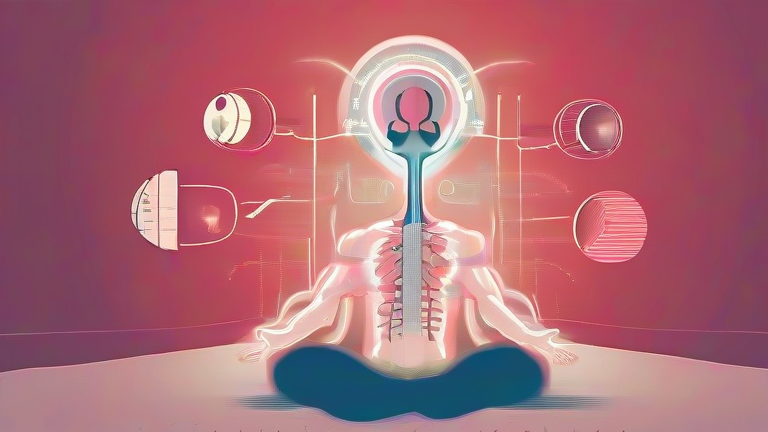
Biohacking Trends for Longevity & Better Sleep Quality
In the rapidly evolving world of wellness, “biohacking” has shifted from a niche hobbyist pursuit to a mainstream necessity. As we seek to extend our healthspan and optimize our daily performance, two critical areas have emerged as the pillars of modern longevity: deep, restorative sleep and cellular repair. This article explores the latest tools and trends that are revolutionizing how we approach rest and recovery, helping you wake up not just rested, but truly rejuvenated.
The Evolution of Sleep Tracking
Gone are the days when a simple step counter sufficed for health monitoring. Today’s biohacking enthusiasts rely on sophisticated devices that analyze Heart Rate Variability (HRV), blood oxygen levels, and REM cycles. The latest generation of sleep trackers offers actionable insights rather than just data dumps. For instance, devices like the Oura Ring or the Whoop Strap provide personalized coaching on when to exercise, when to rest, and how to adjust your diet for optimal recovery. These tools have significantly outperformed traditional fitness bands by focusing on internal physiological states rather than just external activity.
If you want to dig deeper, check out our guide on AI-Driven Autonomous Cybersecurity Defense Systems.
One standout feature in recent models is the integration of AI-driven sleep staging. Unlike older algorithms that merely guessed your sleep phases, new software analyzes subtle changes in movement and heart rate to determine exactly when you entered deep sleep versus light sleep. This precision allows users to identify patterns that disrupt their rest, such as late-night caffeine intake or excessive screen time before bed. By addressing these root causes, users can make tangible lifestyle changes that lead to measurable improvements in energy levels and cognitive function.
Comparing the Leading Solutions
When choosing a biohacking tool for longevity, it is essential to compare form factors and data accuracy. Traditional wrist-worn trackers are convenient but can be uncomfortable during sleep. Ring-style monitors offer a less intrusive alternative, providing consistent data without the bulk. Meanwhile, under-mattress sensors, such as the Eight Sleep Pod, combine temperature regulation with tracking, offering a dual benefit for those who struggle with overheating at night. While these premium options come with a higher price tag, the investment is often justified by the comprehensive health insights they provide, potentially preventing long-term health issues related to chronic sleep deprivation.
 Top 5 Digital Trends Shaping 2024: What You Need to Know
Leave a Reply