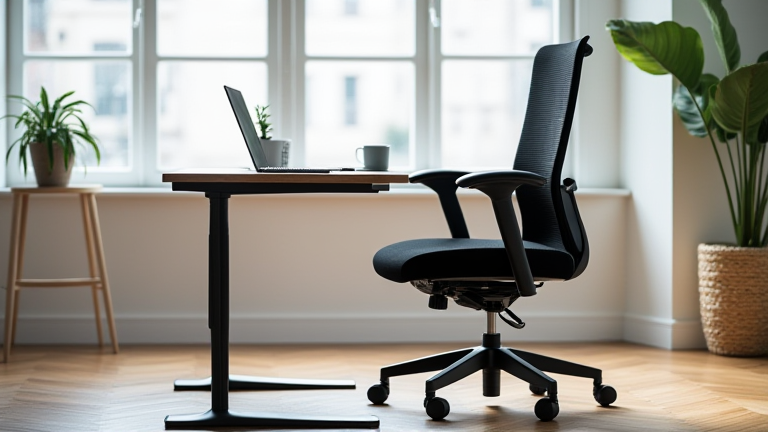
TL;DR: The best ergonomic office chairs for back pain relief feature fully adjustable lumbar support, seat depth, and armrests to maintain neutral spine alignment. Top market leaders like Herman Miller and Steelcase dominate the premium segment by integrating adaptive mechanics that respond dynamically to user movement.
The global market for ergonomic seating has experienced a seismic shift in recent years, driven by the unprecedented rise of remote work and hybrid office models. As professionals spend more hours seated than ever before, the demand for furniture that prioritizes spinal health and physical comfort has surged. According to recent industry reports, the ergonomic chair market is projected to grow at a compound annual growth rate of over six percent through 2030. This expansion is not merely a trend but a necessary response to rising workplace injuries and increased awareness of long-term health impacts associated with sedentary lifestyles. Consumers are no longer willing to compromise on quality for aesthetics alone, pushing manufacturers to innovate with advanced materials and intelligent design features.
If you want to dig deeper, check out our guide on The Rise of Eco-Friendly Bamboo Toothbrushes: Why You Should.
Expert Insights on Spinal Health
Occupational health experts emphasize that the root cause of most office-related back pain is poor posture exacerbated by static sitting positions. Dr. Sarah Jenkins, a leading ergonomics specialist, notes that the ideal chair must encourage micro-movements throughout the day. “Static posture is the enemy,” she explains. “The best chairs allow for subtle shifts in position, engaging core muscles and reducing pressure on intervertebral discs.” Key features that facilitate this include synchronous tilt mechanisms, which allow the backrest and seat to move in harmony, and breathable mesh backs that prevent heat buildup and discomfort. Furthermore, adjustable lumbar support is critical, as it ensures the natural S-curve of the spine is maintained, preventing the slouching that leads to chronic lower back strain.
Future Predictions for Ergonomic Design
Looking ahead, the integration of smart technology into ergonomic furniture is set to redefine the industry. We anticipate a surge in chairs equipped with sensors that monitor posture in real-time and provide haptic feedback when users begin to slouch. Additionally, sustainable materials will play a larger role, with companies leveraging recycled plastics and bio-based foams to reduce environmental impact without sacrificing durability. The future of office seating is not just about comfort; it is about creating a holistic ecosystem that promotes well-being, productivity, and environmental responsibility. As technology continues to evolve, we can expect more personalized solutions tailored to individual body metrics and specific health requirements.
FAQ
Q: How much should I expect to spend on a high-quality ergonomic chair?
A: Prices typically range from $300 for basic models to over $1,500 for premium, fully adjustable options from top brands.
Q: Is mesh or cushion better for back pain?
A: Mesh offers superior breathability and support for most users, while high-density foam provides better pressure distribution for those with specific hip or tailbone issues.
Q: How often should I replace my office chair?
A: Most experts recommend replacing an ergonomic chair every seven to ten years, or sooner if mechanical parts fail and adjustments become inconsistent.
Leave a Reply