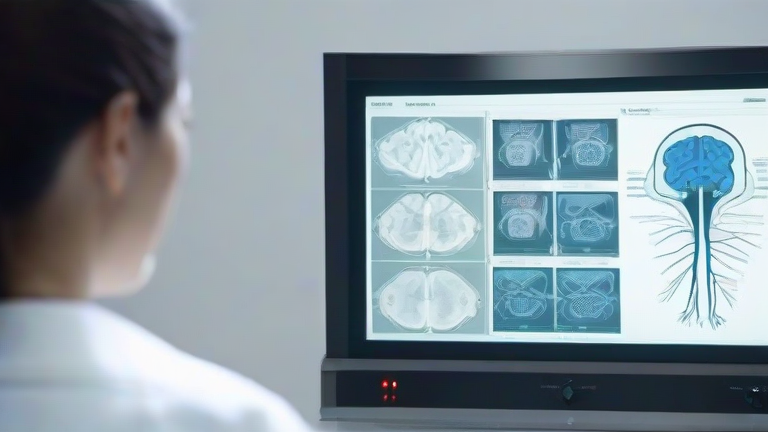
TL;DR: Brain-computer interfaces (BCIs) are transforming medicine by enabling direct neural control for patients with paralysis, restoring mobility and communication. While still in clinical trials, they offer hope for treating neurological disorders like ALS and spinal cord injuries.
The Rise of Neural Integration
Brain-computer interfaces represent a frontier in medical technology, bridging the gap between human neural activity and digital systems. Recent clinical trials, such as those involving Neuralink and Synchron, have demonstrated significant breakthroughs in restoring function to individuals with severe motor impairments. These devices work by decoding electrical signals from the brain, allowing users to control external devices, such as computer cursors or robotic arms, through thought alone. This technology is not merely about convenience; it is about restoring basic human agency and dignity to those who have lost the ability to move or speak.
If you want to dig deeper, check out our guide on Figma Auto Layout Tutorial: Master Responsive UI in 10 Minut.
Clinical Applications and Trials
Current clinical trials focus primarily on invasive BCIs, where small electrodes are implanted on or within the brain’s surface. These trials aim to treat conditions like locked-in syndrome, amyotrophic lateral sclerosis (ALS), and high-level spinal cord injuries. Early results show that participants can type at speeds comparable to able-bodied individuals using standard keyboards. Furthermore, non-invasive BCIs, which use external sensors like EEG caps, are being explored for applications in stroke rehabilitation and cognitive enhancement. The science behind these devices relies on neuroplasticity, the brain’s ability to rewire itself. By providing immediate feedback loops, BCIs encourage the brain to form new neural pathways, potentially strengthening residual motor functions over time.
Science-Backed Lifestyle Tips for Neural Health
While BCI technology is advancing, supporting overall brain health remains crucial for maximizing cognitive and neural resilience. Here are science-backed lifestyle tips to maintain a healthy nervous system:
- Engage in Regular Aerobic Exercise: Activities like walking, swimming, or cycling increase blood flow to the brain and promote the release of BDNF (Brain-Derived Neurotrophic Factor), a protein that supports neuron growth and survival. Aim for at least 150 minutes of moderate-intensity exercise per week.
- Practice Cognitive Challenges: Engaging in complex mental activities, such as learning a new language, playing musical instruments, or solving puzzles, stimulates neuroplasticity. This keeps neural circuits active and adaptable, which is essential for any future neural interface integration.
- Prioritize Sleep Hygiene: Sleep is when the brain consolidates memories and clears out metabolic waste products. Aim for 7-9 hours of quality sleep per night to support neural repair and cognitive function.
- Maintain a Balanced Diet: Consume foods rich in omega-3 fatty acids, antioxidants, and B vitamins. These nutrients are vital for reducing neuroinflammation and protecting brain cells from oxidative stress.
FAQ
Q: Are BCIs safe for human use?
A: Current clinical trials indicate a high safety profile, but like any surgical procedure, there are risks such as infection or bleeding. Long-term safety data is still being collected, but early participants have shown no significant adverse effects related to the devices themselves.
Q: Who is eligible for BCI clinical trials?
A: Eligibility typically includes adults with stable neurological conditions, such as complete spinal cord injuries or ALS, who have lost the ability to communicate or move. Participants must also demonstrate the cognitive ability to learn the control mechanisms and commit to the trial duration.
Q: When will BCIs become widely available?
A: While specialized medical BCIs are emerging in the next few years, widespread commercial availability for healthy consumers is likely decades away. The focus remains on medical necessity and ethical considerations before expanding to non-therapeutic applications.
Leave a Reply