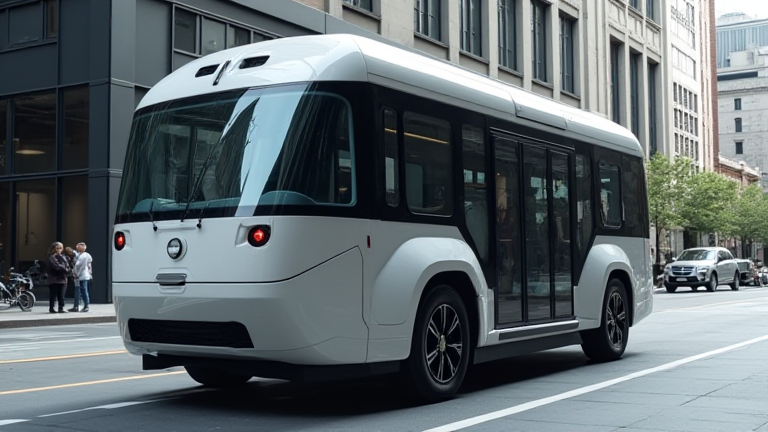
TL;DR: Autonomous electric micro-transit is set to redefine urban mobility by offering a seamless, eco-friendly alternative to traditional cars and public transit. This shift prioritizes personal freedom and local cultural immersion over the stress of driving and parking.
The Shift from Ownership to Experience
For decades, the car has been a symbol of personal freedom. However, in dense urban environments, that freedom often devolves into gridlock, soaring insurance costs, and the mental fatigue of navigating traffic. Autonomous electric micro-transit represents a fundamental paradigm shift. It is not merely about moving from point A to point B; it is about reclaiming the time and mental bandwidth previously consumed by driving. Imagine stepping out of your apartment in a bustling city center, summoning a sleek, silent pod that glides smoothly along dedicated lanes. The vehicle is small, efficient, and designed for one to four passengers, making it perfect for solo travelers or small groups exploring a neighborhood.
If you want to dig deeper, check out our guide on Green Hydrogen: Powering the Future of Heavy Industrial Tran.
Enhancing the Traveler’s Experience
From a travel perspective, this technology transforms the commute into part of the journey. Without the distraction of steering and braking, travelers can engage with their surroundings. Large windows and panoramic roofs allow passengers to observe the architectural details of historic districts or the vibrant street life of modern metropolises. This passive observation encourages a deeper cultural connection. Instead of rushing through a city, one can linger, watching the daily rituals of locals, the art on the walls, and the rhythm of the streets. The vehicle becomes a mobile living room, a space for reflection, work, or conversation, rather than a stressful cockpit.
Food Culture and Local Exploration
The impact on food culture is equally profound. Traditional car ownership often dictates where we eat, limited by the need for parking. Autonomous micro-transits remove this barrier. You can hop out at a small, hidden trattoria in a narrow alleyway without worrying about finding a spot to park. The vehicle waits patiently nearby or returns to a charging hub, allowing you to savor your meal without the anxiety of a time-limited parking meter. This accessibility encourages exploration of smaller, family-owned establishments that thrive on foot traffic, supporting local economies and preserving culinary heritage. The ease of movement fosters a more spontaneous approach to dining, leading to more authentic and diverse culinary experiences.
Personal Growth and Mental Well-being
On a personal level, this shift promotes a healthier relationship with urban space. The reduction of driving-related stress contributes to improved mental well-being. Passengers can use the travel time for meditation, reading, or simply resting. This pause in the fast-paced urban environment allows for mindfulness and personal growth. It encourages a slower, more intentional way of life, where the journey is valued as much as the destination. By removing the burden of driving, individuals can focus more on their hobbies, relationships, and personal development, leading to a more balanced and fulfilling lifestyle.
FAQ
Q: Is autonomous micro-transit safe for tourists?
A: Yes, these vehicles are equipped with advanced sensor systems and are designed to navigate urban environments safely, often with remote monitoring support.
Q: How does this affect local parking infrastructure?
A: It significantly reduces the demand for on-street and commercial parking, allowing cities to repurpose that space for green areas, pedestrian zones, or community events.
Q: Are these vehicles accessible for individuals with disabilities?
A: Most autonomous micro-transits are designed with universal accessibility in mind, featuring wheelchair ramps, automatic doors, and voice-activated controls.
Leave a Reply