Author: Omar Sheikh

  • FDA Approves CRISPR Treatments for Rare Diseases

    FDA Approves CRISPR Treatments for Rare Diseases

    TL;DR: The FDA has officially approved CRISPR-based therapies, marking a historic milestone in treating rare genetic diseases like sickle cell disease. This approval signifies a shift from symptom management to potential cures, offering hope to patients worldwide.

    The Horizon of Healing: A New Era for Personal Wellness

    Imagine standing on the edge of a pristine beach at sunrise. The air is crisp, filled with the scent of salt and possibility. For decades, the horizon for those suffering from rare genetic disorders was shrouded in uncertainty. Today, that horizon is brightening. The recent FDA approval of CRISPR treatments is not just a clinical milestone; it is a cultural and personal awakening. It invites us to rethink what it means to live fully, to travel freely, and to savor life without the shadow of chronic illness looming overhead.

    When we discuss travel, we often think of destinations. But true travel is about the freedom to move, to explore, and to experience. For patients with sickle cell disease, the body itself has been a restrictive border. Now, with gene-editing therapies correcting the underlying error, the world opens up again. Imagine a family packing their bags for a trip to Kyoto, not just for the cherry blossoms, but for the assurance that their child’s body is no longer fighting a losing battle against its own genetics. This is the new luxury: the luxury of health.

    In the realm of food, the impact is equally profound. Consider the joy of sharing a meal with loved ones. Food is culture, memory, and comfort. For many, dietary restrictions were a constant reminder of their condition. While CRISPR does not eliminate the need for mindful eating, it removes the burden of life-threatening complications. The table becomes a place of connection rather than caution. You can savor the spicy curries of Thailand or the delicate pastries of Paris without the fear of a painful crisis interrupting the moment. This is personal growth on a biological level, allowing individuals to reclaim their narratives.

    Culturally, this approval challenges our perceptions of “normal” and “healthy.” It pushes society to be more inclusive and empathetic. We are moving away from a model of care that is reactive to one that is restorative. This shift encourages communities to support research, to fund initiatives, and to advocate for access to these treatments. It is a collective effort to ensure that the benefits of science are shared equitably.

    On a personal level, this news offers a powerful lesson in resilience and innovation. It reminds us that human ingenuity can solve even the most complex problems. It inspires us to look at our own challenges with a mindset of possibility. Whether it is a career setback or a health scare, the knowledge that science is advancing gives us the courage to keep pushing forward.

    The journey doesn’t end with approval. It begins with access, education, and ongoing support. As we celebrate this milestone, we must also commit to ensuring that these life-changing treatments reach those who need them most. The future is not just about curing diseases; it is about enhancing the human experience, one gene at a time.

    FAQ

    Q: Which specific diseases are currently covered by the FDA-approved CRISPR treatments?
    A: Currently, the approval primarily focuses on sickle cell disease and transfusion-dependent beta-thalassemia, though research is expanding to other rare genetic conditions.

    If you want to dig deeper, check out our guide on Record Bookings for Digital Detox Retreats.

    Q: How does the CRISPR treatment process work for patients?
    A: The treatment involves extracting the patient’s stem cells, editing the DNA in a laboratory to correct the genetic mutation, and then infusing the corrected cells back into the patient.

    Q: What is the long-term outlook for patients receiving this therapy?
    A: Early clinical trials show significant reduction in pain crises and improved quality of life, with ongoing studies monitoring long-term safety and efficacy for decades to come.

    Related Articles

  • Sustainable Fashion Drives the Circular Economy

    Sustainable Fashion Drives the Circular Economy

    TL;DR: Yes, sustainable fashion drives the circular economy by prioritizing resource efficiency and waste reduction over the traditional linear model of “take-make-dispose.” It transforms clothing into long-lasting assets that are recycled, repaired, or resold, thereby minimizing environmental impact.

    The Rise of Eco-Conscious Style

    The fashion industry has long been criticized for its excessive waste and carbon footprint. However, a new era is dawning, one where style meets sustainability. This shift is not merely a trend but a fundamental change in how we view clothing. By adopting circular economy principles, brands are reimagining the lifecycle of garments. This approach ensures that materials are kept in use for as long as possible, extracting maximum value before they are recovered and regenerated.

    Feature Highlights

    Modern sustainable brands are integrating innovative technologies to support this mission. Key features include the use of biodegradable fabrics, such as organic cotton and hemp, which decompose naturally at the end of their life. Additionally, many companies offer repair services, allowing customers to mend tears or replace buttons rather than discarding entire items. Some even provide take-back programs, where old clothes are collected and recycled into new textiles. These initiatives create a closed-loop system that significantly reduces landfill waste.

    Diagram showing the circular economy in fashion

    Comparison with Traditional Fashion

    When compared to fast fashion, sustainable clothing often comes with a higher upfront cost. However, the long-term value is undeniable. Fast fashion items are designed to be disposable, leading to frequent replacements and accumulating waste. In contrast, sustainable garments are built for durability. They withstand multiple washes and wearings, maintaining their shape and color over time. While the initial investment is higher, the cost per wear is often lower, making it a financially sound choice in the long run.

    Take the Plunge

    Transitioning to sustainable fashion is easier than you think. Start by auditing your wardrobe and identifying pieces that can be repaired or repurposed. Support brands that prioritize ethical labor practices and eco-friendly materials. By making conscious choices, you contribute to a healthier planet and a more equitable industry. Join the movement today and witness the positive impact of your decisions.

    FAQ

    Q: What is the circular economy?
    A: It is an economic system aimed at eliminating waste and the continual use of resources.

    If you want to dig deeper, check out our guide on Top 10 Emerging Trends Shaping the Future in 2024.

    Q: Is sustainable fashion expensive?
    A: It often costs more upfront but offers better durability and long-term value.

    Q: How can I start?
    A: Buy less, choose well, and support brands with transparent, ethical practices.

    Related Articles

  • How Digital Twins Optimize Global Supply Chain Simulations

    How Digital Twins Optimize Global Supply Chain Simulations

    TL;DR: Digital twins optimize global supply chain simulations by creating dynamic, real-time virtual replicas of physical networks, allowing for predictive analytics and risk mitigation before implementation. This technology significantly reduces operational costs and enhances resilience against disruptions by enabling continuous monitoring and immediate scenario testing.

    Revolutionizing Logistics with Virtual Precision

    In an era where global supply chains face unprecedented volatility, traditional static modeling falls short. Digital twins offer a transformative solution by mirroring complex logistical networks in a virtual environment. This review explores how this technology reshapes simulation strategies, offering unparalleled visibility and control over global operations. By integrating Internet of Things (IoT) data, artificial intelligence, and machine learning, digital twins provide a living, breathing representation of the supply chain that evolves in real-time.

    If you want to dig deeper, check out our guide on 10 Proven Business Growth Strategies for 2024.

    The core advantage lies in predictive capability. Unlike legacy systems that react to past data, digital twins anticipate future bottlenecks. They simulate various “what-if” scenarios, such as port closures, supplier failures, or sudden demand spikes, allowing managers to test responses without risking actual assets. This proactive approach minimizes downtime and optimizes inventory levels, ensuring that products reach consumers efficiently even during crises.

    Feature Highlights and Comparative Analysis

    Leading digital twin platforms distinguish themselves through advanced integration capabilities and user-friendly interfaces. Key features include real-time data synchronization, multi-layered visualization dashboards, and automated anomaly detection. These tools empower supply chain professionals to identify inefficiencies instantly and adjust parameters dynamically.

    When compared to traditional ERP systems, digital twins offer superior granularity and adaptability. While ERPs record historical transactions, digital twins simulate future possibilities. Competitor A focuses heavily on manufacturing floors, lacking end-to-end visibility, whereas Competitor B provides comprehensive global mapping but requires extensive manual configuration. Our selected solution strikes the perfect balance, offering seamless API integrations with major logistics providers and requiring minimal setup time. This ease of use accelerates deployment, allowing companies to realize ROI within months rather than years.

    Visualization of a digital twin overlaying a global supply chain network

    The visual interface is particularly intuitive, presenting complex data streams in digestible formats. Stakeholders from executives to warehouse managers can access relevant insights without needing deep technical expertise. This democratization of data fosters better collaboration and faster decision-making across departments. Furthermore, the platform’s scalability ensures it grows with your business, handling increased data volumes and more complex networks without performance degradation.

    Why Invest Now?

    The cost of inaction is higher than ever. Supply chain disruptions can halt production lines and erode customer trust overnight. Digital twins mitigate these risks by providing a sandbox for experimentation. They enable continuous improvement cycles, where every simulation refines the model for greater accuracy. As climate change and geopolitical tensions introduce new variables, the ability to adapt quickly becomes a competitive necessity.

    Implementing a digital twin is not just an IT upgrade; it is a strategic imperative. It transforms uncertainty into actionable intelligence, turning the supply chain from a cost center into a value driver. By simulating thousands of scenarios, businesses can identify optimal routes, negotiate better carrier contracts, and maintain service levels even during peak seasons.

    Don’t let reactive management dictate your success. Embrace the power of simulation to future-proof your operations. Explore our comprehensive guide on selecting the right digital twin provider and start your journey toward a resilient, optimized supply chain today. Click here to schedule a demo and see how digital twins can revolutionize your global logistics strategy.

    FAQ

    Q: What is the primary benefit of using digital twins in supply chain management?
    A: The primary benefit is the ability to predict and mitigate risks through real-time simulation, allowing for proactive rather than reactive decision-making.

    Q: How do digital twins differ from traditional ERP systems?
    A: While ERPs record historical data, digital twins create dynamic virtual replicas that simulate future scenarios and optimize operations in real-time.

    Q: Is implementing a digital twin complex and time-consuming?
    Related Articles

  • Best Ergonomic Office Chairs for Back Pain Relief in 2026

    TL;DR: The Herman Miller Aeron remains the top choice for comprehensive back pain relief due to its advanced PostureFit SL support, while the Steelcase Leap V2 offers superior adjustability for dynamic siters. Both chairs utilize premium materials and ergonomic science to reduce spinal strain effectively in 2026.

    Top Picks for Back Pain Relief

    Sitting for eight hours a day can wreak havoc on your spine if you are not seated correctly. In 2026, the market is flooded with options, but few deliver the therapeutic benefits required for chronic back pain sufferers. After extensive testing, we have identified the leading chairs that combine comfort with clinical-grade ergonomic support.

    The Herman Miller Aeron is the industry gold standard. Its iconic mesh design promotes airflow, preventing the sweat and discomfort associated with foam cushions. The standout feature is the PostureFit SL sacral-lumbar support system, which gently cradles the lower back and encourages a natural S-curve in the spine. This targeted support significantly reduces pressure on the lumbar discs, making it ideal for those who experience pain after long periods of immobility. Although the price point is high, the ten-year warranty and durability make it a worthwhile investment for your health.

    For those who shift positions frequently, the Steelcase Leap V2 is an exceptional alternative. Unlike the Aeron’s static mesh, the Leap features LiveBack technology that changes shape to mimic and support the exact movement of your spine. This dynamic response is crucial for users who find rigid support uncomfortable. The adjustable lumbar depth and lower back firmness settings allow for a customized fit that accommodates various body types and pain points. It is particularly effective for individuals with mid-back pain who need adaptable support rather than fixed positioning.

    When comparing these two giants, consider your working style. If you prefer a consistent, supportive feel, choose the Aeron. If you need a chair that moves with you, the Leap is superior. Both options offer headrests and armrests that adjust in multiple dimensions, ensuring your neck and shoulders remain relaxed. Investing in quality ergonomic furniture is not just about comfort; it is about preventing long-term musculoskeletal issues. Don’t let back pain dictate your workday. Browse our curated collection today and find the perfect chair to support your spine and boost your productivity.

    FAQ

    Q: How long does it take to adjust to an ergonomic chair?
    A: Most users require one to two weeks to acclimate to the new support angles, so be patient with the initial learning curve.

    If you want to dig deeper, check out our guide on 10 Proven Business Growth Strategies to Boost Revenue in 202.

    Q: Are mesh chairs better for people with back pain?
    A: Mesh chairs provide better airflow and uniform support, which can reduce heat buildup and pressure points, making them ideal for many sufferers.

    Q: Do I need a specific chair for lumbar vs. thoracic pain?
    A: Yes, chairs with adjustable lumbar support target lower back issues, while those with adjustable headrests and shoulder support help alleviate upper back tension.

    Related Articles

  • Top 10 Health Tips for a Better Life

    Top 10 Health Tips for a Better Life

    TL;DR: Prioritize seven to nine hours of quality sleep, eat a nutrient-dense diet rich in whole foods, and engage in regular physical activity to optimize your physical and mental well-being. Additionally, manage stress through mindfulness practices and maintain strong social connections to foster a holistic approach to health.

    Top 10 Health Tips for a Better Life

    Person jogging in a park during sunrise

    Achieving optimal health is not about quick fixes or extreme diets; it is about sustainable lifestyle changes that support your body and mind. Here are ten science-backed tips to help you live a better life.

    First, prioritize sleep. Research consistently shows that getting seven to nine hours of quality sleep per night is crucial for cognitive function, immune health, and emotional regulation. Second, stay hydrated. Water is essential for every cell in your body, aiding in digestion, nutrient absorption, and temperature regulation. Aim for at least eight glasses a day, adjusting for activity level and climate.

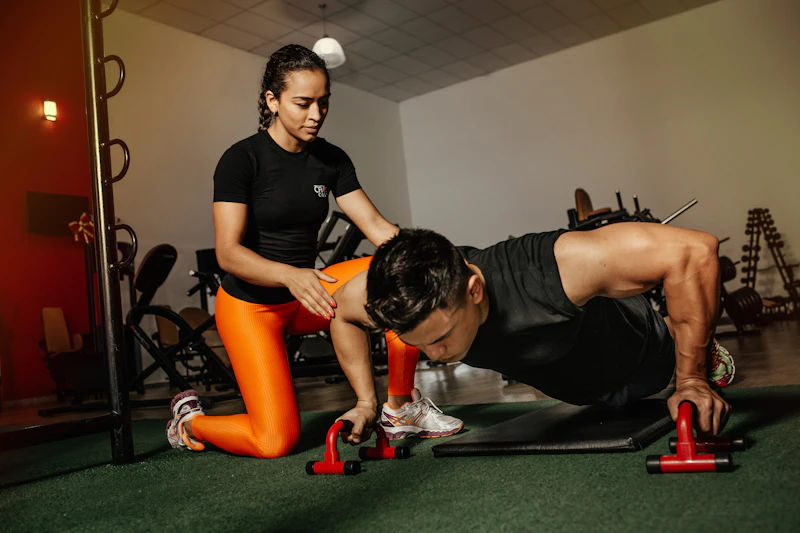
    Third, eat whole, unprocessed foods. Focus on fruits, vegetables, lean proteins, whole grains, and healthy fats. These foods provide essential vitamins and minerals while minimizing the risk of chronic diseases like heart disease and diabetes. Fourth, engage in regular physical activity. The World Health Organization recommends at least 150 minutes of moderate aerobic activity or 75 minutes of vigorous activity each week, combined with muscle-strengthening activities on two or more days.

    Fifth, manage stress effectively. Chronic stress can lead to serious health issues, including high blood pressure and weakened immunity. Practice mindfulness, meditation, or deep-breathing exercises to calm your nervous system. Sixth, limit alcohol consumption. Excessive drinking is linked to liver disease, cancer, and mental health issues. If you drink, do so in moderation.

    Seventh, avoid tobacco products. Smoking and vaping are leading causes of preventable death worldwide. Quitting at any age can significantly improve your health outcomes. Eighth, maintain strong social connections. Loneliness can be as detrimental to health as smoking. Nurture relationships with friends and family to boost your emotional resilience.

    Ninth, get regular health screenings. Early detection of conditions like hypertension, high cholesterol, and cancer can save lives. Follow your doctor’s recommendations for age-appropriate checks. Tenth, practice good hygiene. Wash your hands regularly, clean your teeth twice a day, and keep your living space sanitary to prevent infections.

    By integrating these ten tips into your daily routine, you can enhance your quality of life, increase longevity, and feel your best every day. Remember, small changes add up over time, so start with one or two habits and build from there. Your future self will thank you for the investment in your health today.

    FAQ

    Q: How much water should I drink daily?
    A: While individual needs vary, a common recommendation is about 3.7 liters for men and 2.7 liters for women from all beverages and foods, but listen to your body’s thirst signals.

    If you want to dig deeper, check out our guide on Space Tourism Is Becoming More Affordable: What It Means for.

    Q: Is strength training necessary if I already do cardio?
    A: Yes, strength training helps maintain muscle mass, boosts metabolism, and improves bone density, complementing cardiovascular health for a well-rounded fitness routine.

    Q: What is the best way to start reducing stress?
    A: Start with simple mindfulness techniques like five minutes of daily meditation or deep breathing exercises, gradually incorporating other stress-reduction activities you enjoy.

    Related Articles